Panoramic History Challenge
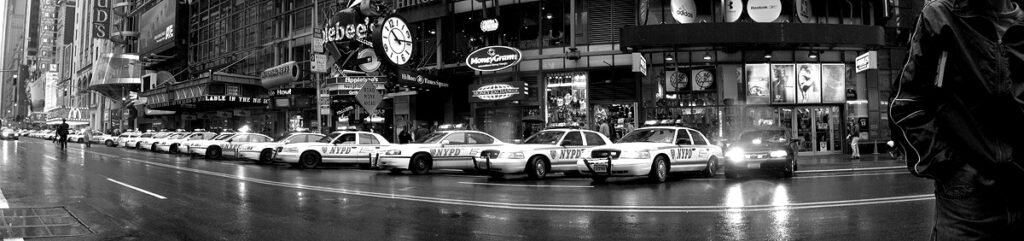
Birth of William Friedkin (Cinematic Panoramas): Born in 1935, the director famously utilized anamorphic wide-screen lenses to capture sprawling, gritty urban panoramas that immerse the viewer in the environment.
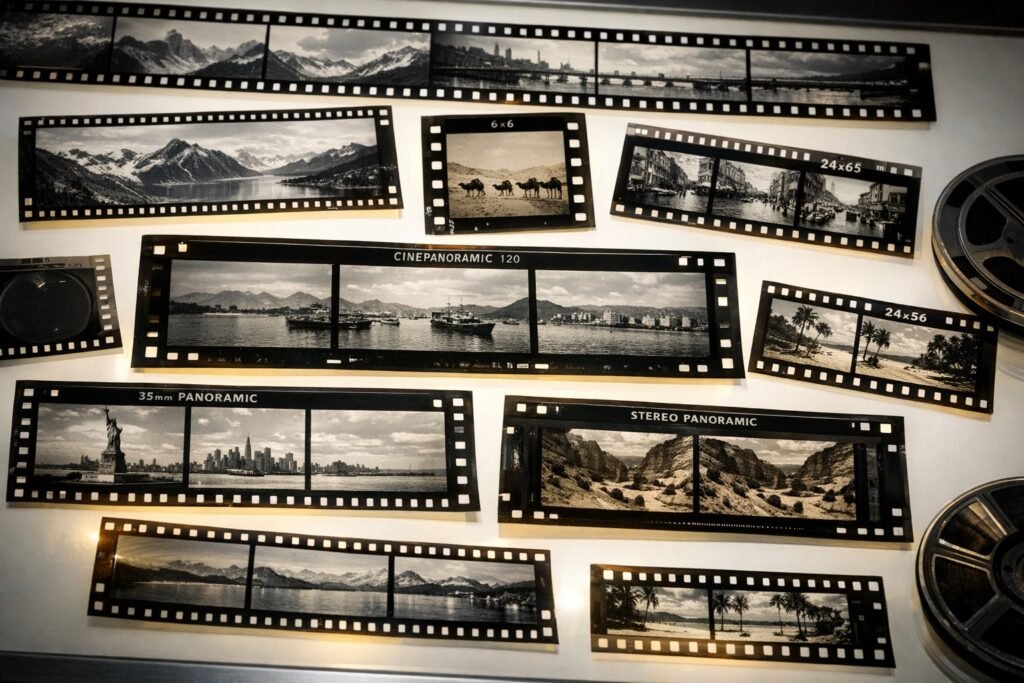
Pano Inspiration: Anamorphic lenses "squeeze" a wide field of view onto standard film, which is then "stretched" back out during projection to create a panoramic movie experience.
Latest Panography Articles
History & Origins
“To consult the rules of composition before making a picture is a little like consulting the law of gravitation before going for a walk.” -Edward Weston
Create Panoramas!
Exploring Panography:
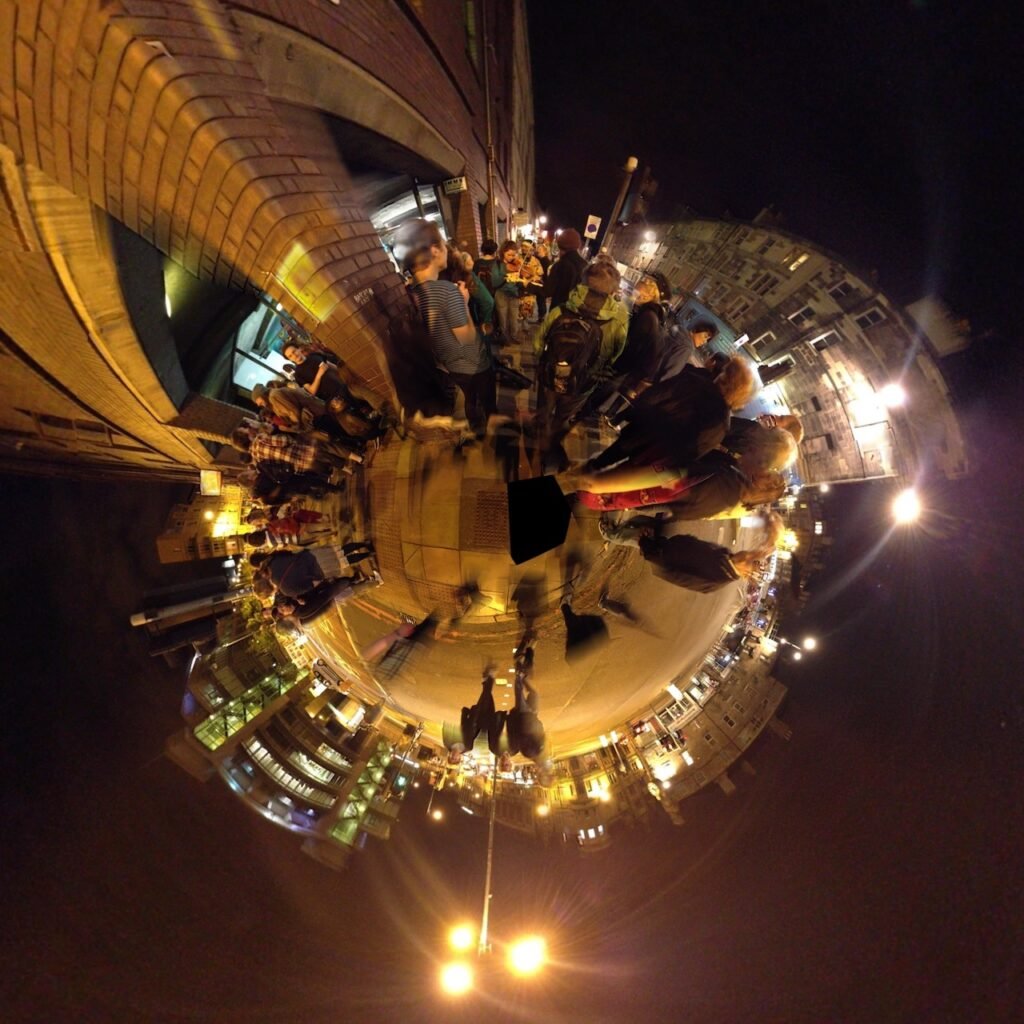
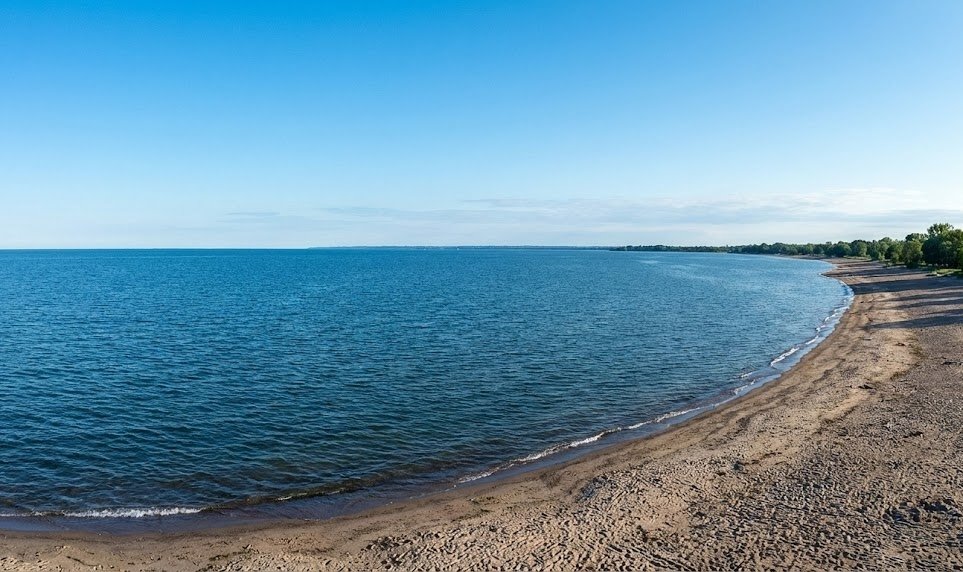
Capturing the World in Every Angle 360°, Horizontal, Vertical, 180°, VR – Panography comes in countless forms. Let’s dive into what sets each style apart and discover the art behind panoramic photography.
Unusual Perspectives
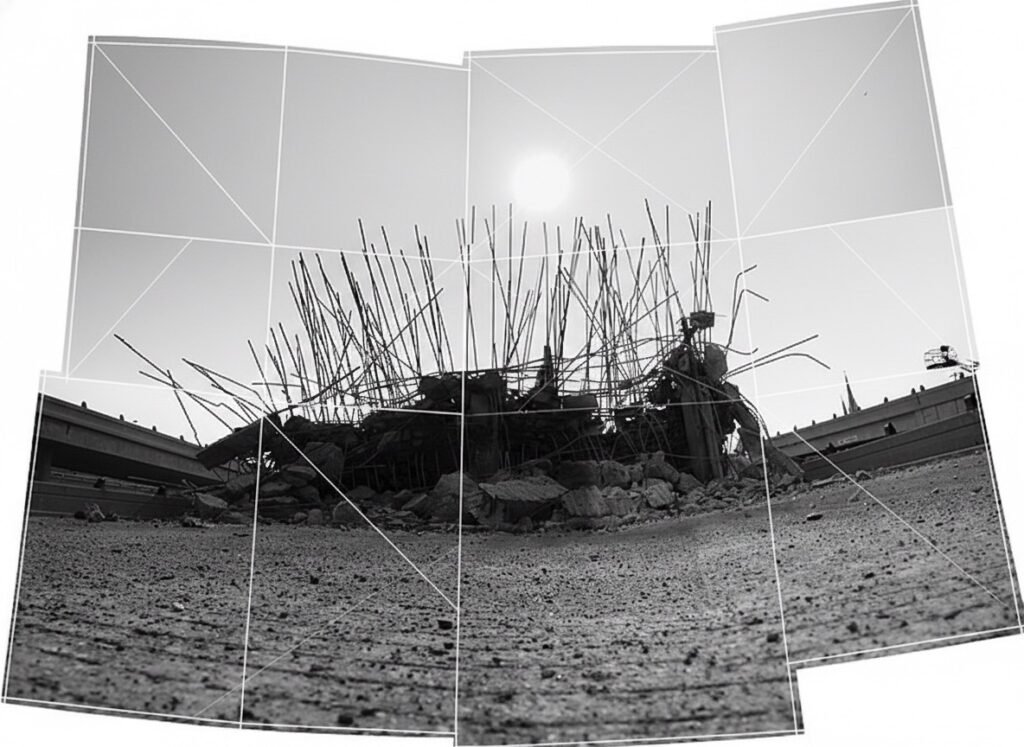
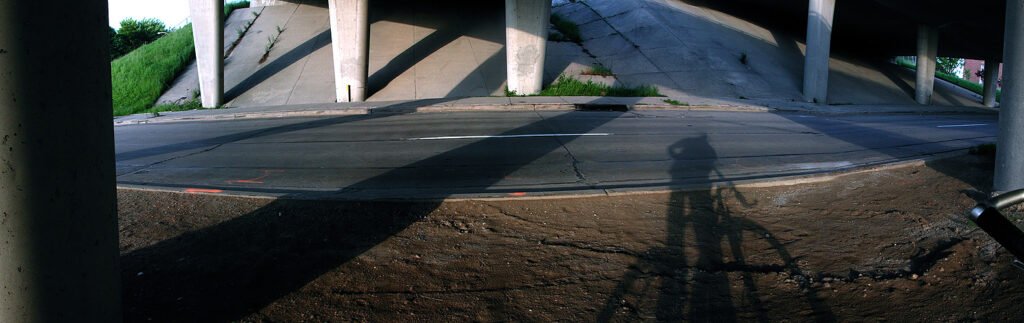
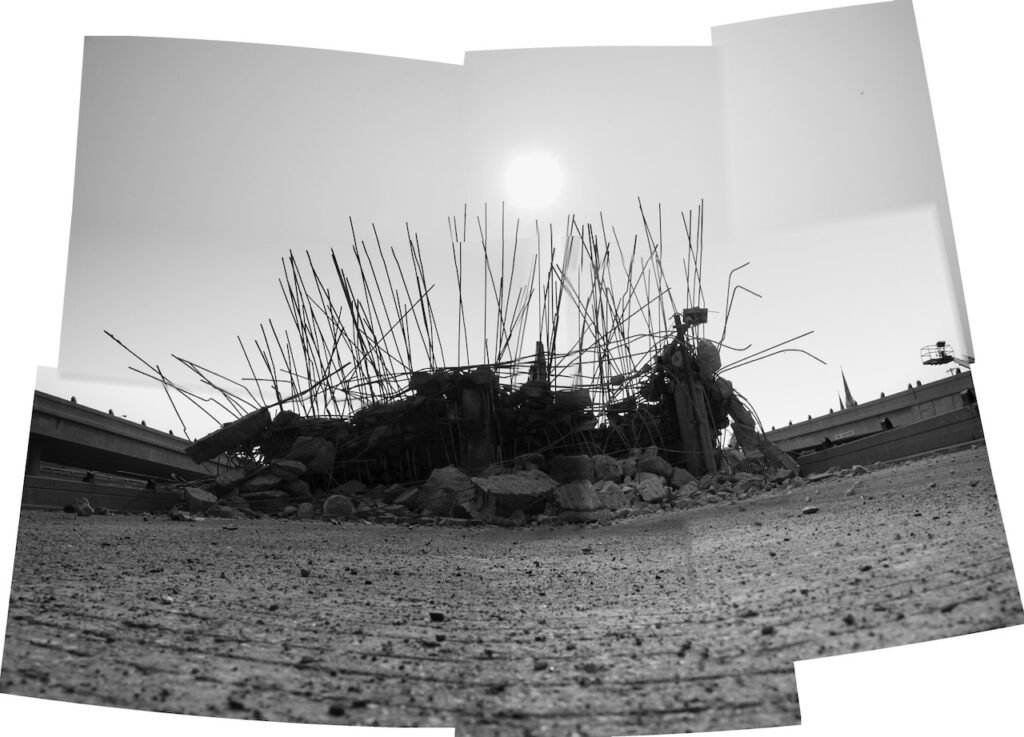
In panography, changing your perspective; the angle, height, and position of the camera significantly impact the final composition. By breaking away from the typical eye-level perspective, you can add depth, emotion, and visual interest to your panoramas.
Panographic Places
Ansel Adams: “A good photograph is knowing where to stand.”
Consistent practice in creating panoramic images sharpens your eye for composition, enhances creativity, and transforms your ability to convey expansive visual stories with confidence.
Panography.org | PANORAMA STYLES & APPROACHES
Optical Panoramas | Working with Traditional Lenses
Appreciate traditional SLR and professional cameras. This article honors the use of standard optical lenses for creating a seamless, expansive visual experiences.