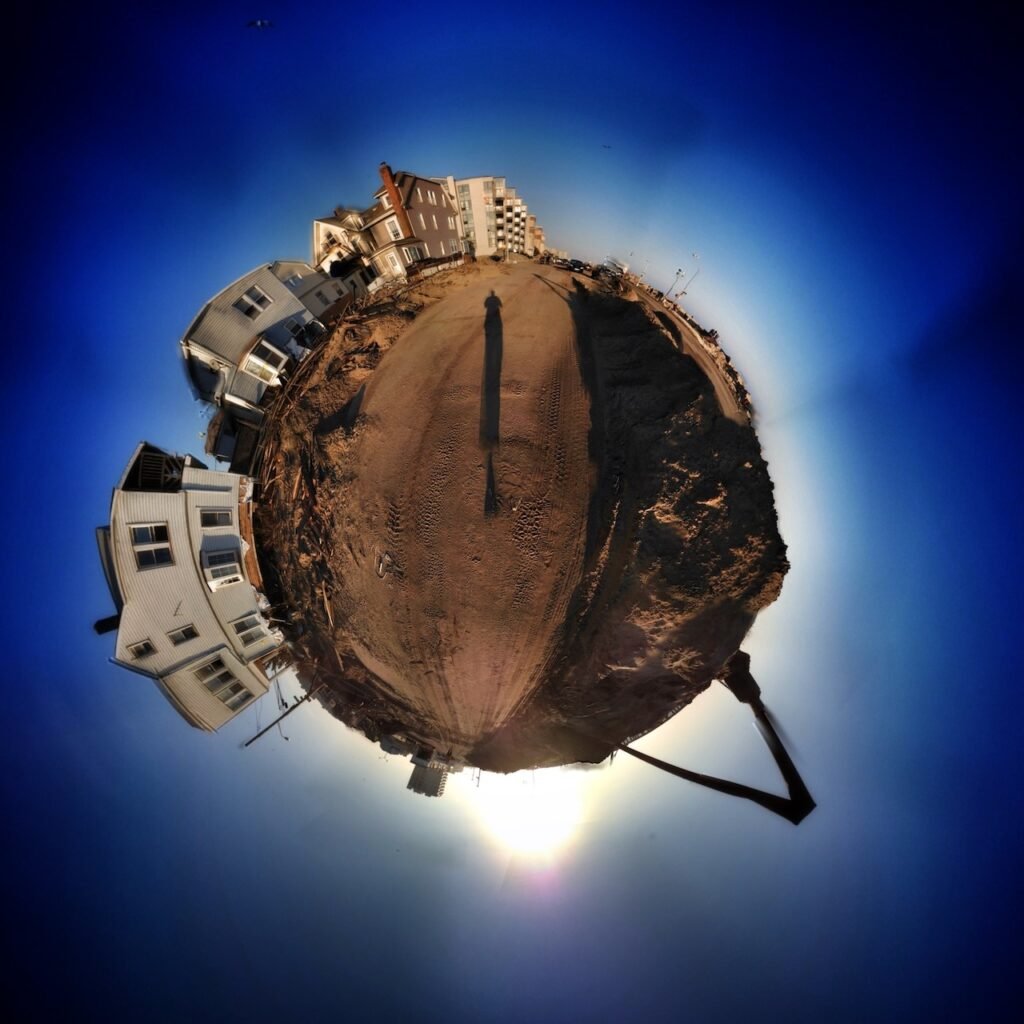
360° panography transforms the familiar into something wondrous — a complete circle of place folded into a single, self‑contained world. Little Worlds panoramas take that full‑sphere capture and bend it into a visual experience that feels both playful and cosmic, like holding an entire environment in the palm of your hand. For photographers who see the world through a panoramic lens, these images are more than technical experiments; they’re a way of understanding how place, culture, and environment wrap around us, shaping the way we move, look, and create.
This guide explores the craft of 360° panography and Little Worlds 360 panoramas through the eyes of a traveling, wide‑format photographer — grounded in real locations, lived experience, and the creative possibilities that emerge when you compress an entire horizon into a single, circular frame.
What Makes 360° Panography Unique
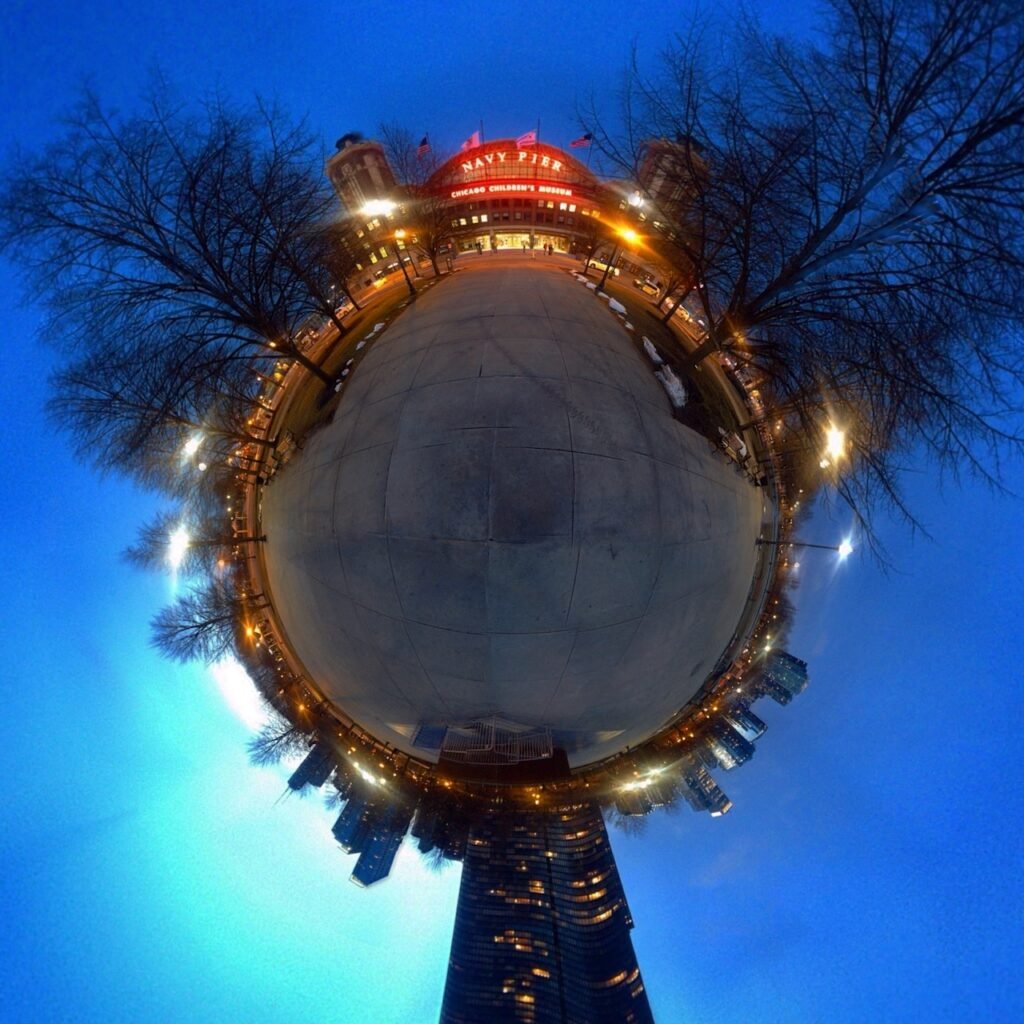
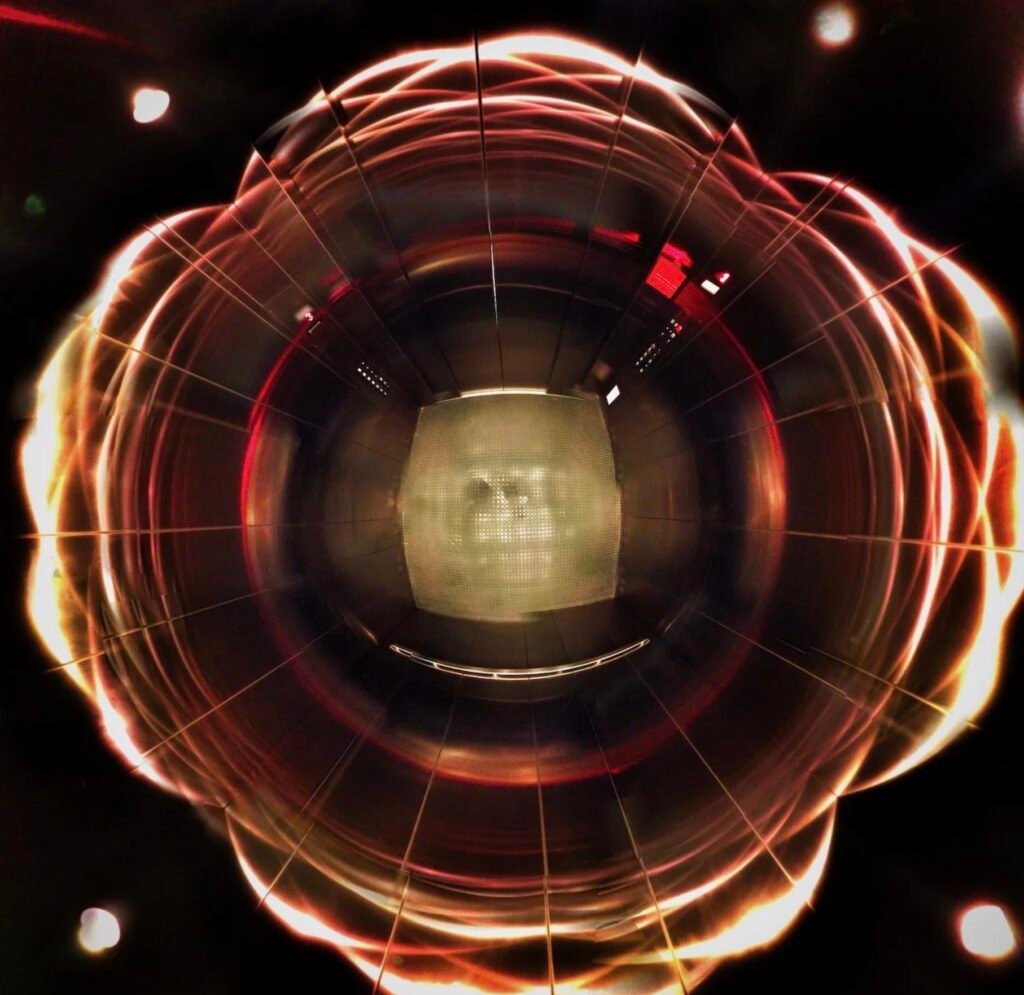
360° panography is the art of capturing a full spherical view — the entire horizon, the sky above, and the ground beneath — and stitching it into a seamless whole. When transformed into a Little World projection, that sphere collapses into a circular planet, with the sky radiating outward and the landscape curling inward like a miniature globe.
This technique blends technical precision with artistic interpretation. It’s not just about recording a place; it’s about reshaping it. The result is a panorama that feels immersive and whimsical, yet deeply tied to the environment where it was made.
360° panography stands apart because it:
- Captures the entire environment, not just a slice
- Creates a sense of immersion and spatial memory
- Allows for creative distortions that feel intentional and expressive
- Turns ordinary locations into surreal, planet‑like compositions
- Encourages photographers to think in full circles rather than linear sweeps
Little Worlds panoramas are especially powerful because they compress the experience of being somewhere — surrounded by movement, sound, and atmosphere — into a single, iconic image.
The Creative Appeal of Little Worlds Panoramas
Little Worlds panoramas are more than visual tricks. They’re a way of reimagining place.
When you fold a 360° capture into a circular projection, you emphasize:
- Center‑weighted storytelling — the ground becomes the core of the world
- Radial perspective — lines, buildings, and trees stretch outward like spokes
- Atmospheric expansion — the sky becomes a halo, framing the world
- Playful distortion — familiar scenes become dreamlike and sculptural
This projection invites viewers to step into a world that feels both intimate and expansive. It’s a way of saying: This is what it felt like to stand here — surrounded, enveloped, immersed.
A Personal Experience: Shooting 360° Panoramas on the iPhone 4
My earliest experiments with 360° panography came from an app simply called 360, an iPhone 4 tool that offered live stitching long before mobile panoramic apps became mainstream. It’s no longer available — or perhaps it changed names — but at the time, it felt like magic.
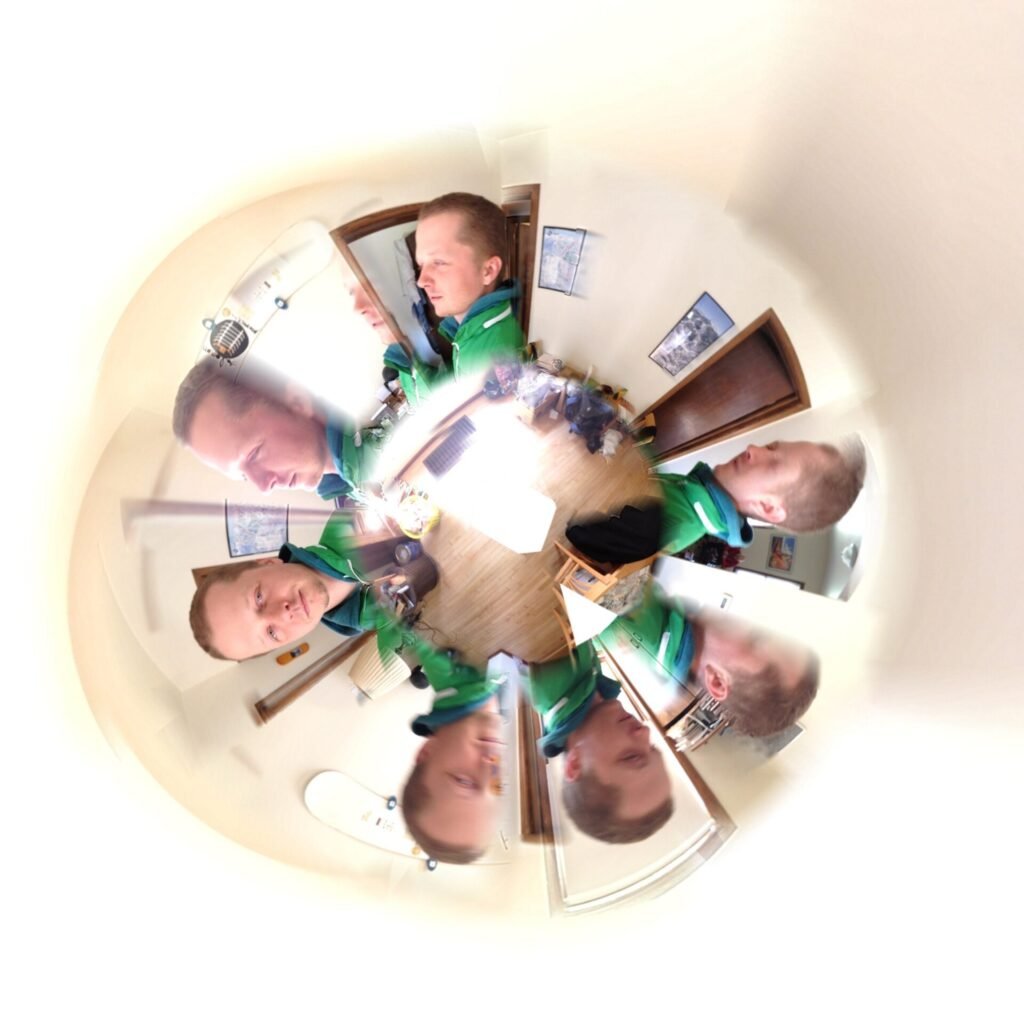
What made it special was the live stitching. As I rotated through a crowd or a busy street, the app assembled the panorama in real time. People walked through the frame, shifted positions, blurred, duplicated, or stretched into strange shapes. Instead of ruining the image, these distortions became part of the story — a record of movement, energy, and the unpredictability of photographing life as it unfolded.
In crowded places, the results were fascinating:
- People appeared twice or more in the sweeps
- Moving subjects stretched into elongated forms
- A single person could become a ring of figures around the world
- The main subject, if close, warped into a dramatic fisheye curve
That last point is important. If your main subject is close to the camera, a Little World projection exaggerates it dramatically. Faces balloon outward, buildings bend like rubber, and objects near the lens become the gravitational center of the world. When you’re aware of this, you can use it intentionally — turning distortion into design.
Those early experiments taught me that 360° panography isn’t about perfection. It’s about presence. It’s about capturing the feeling of being surrounded by a place, even when that place is full of motion and unpredictability.
How 360° Panography Works
To create a 360° panorama, you capture:
- The full horizontal sweep (0° to 360°)
- The sky above (zenith)
- The ground below (nadir)
These images are stitched into a spherical projection — a complete environment mapped onto a virtual globe. From there, you can transform the sphere into a Little World using a stereographic projection.
Key elements of the process:
- Consistent overlap ensures clean stitching
- Level rotation prevents tilted horizons
- Even exposure avoids visible seams
- Full coverage captures both sky and ground
- Spherical stitching creates the base environment
Once the sphere is complete, the Little World projection compresses the entire environment into a circular frame, with the ground at the center and the sky radiating outward.
Choosing the Right Locations for Little Worlds
Some places naturally lend themselves to Little World projections. Look for:
- Open spaces — parks, plazas, beaches, rooftops
- Symmetrical environments — courtyards, roundabouts, gardens
- Distinct horizons — skylines, tree lines, waterfronts
- Minimal obstructions — fewer close objects reduce extreme distortion
- Strong central features — statues, fountains, or architectural anchors
But don’t overlook chaotic or crowded places. Movement can add character, especially when using live‑stitching apps that capture people mid‑stride.
Creative Considerations for 360° Panography
Embrace Distortion
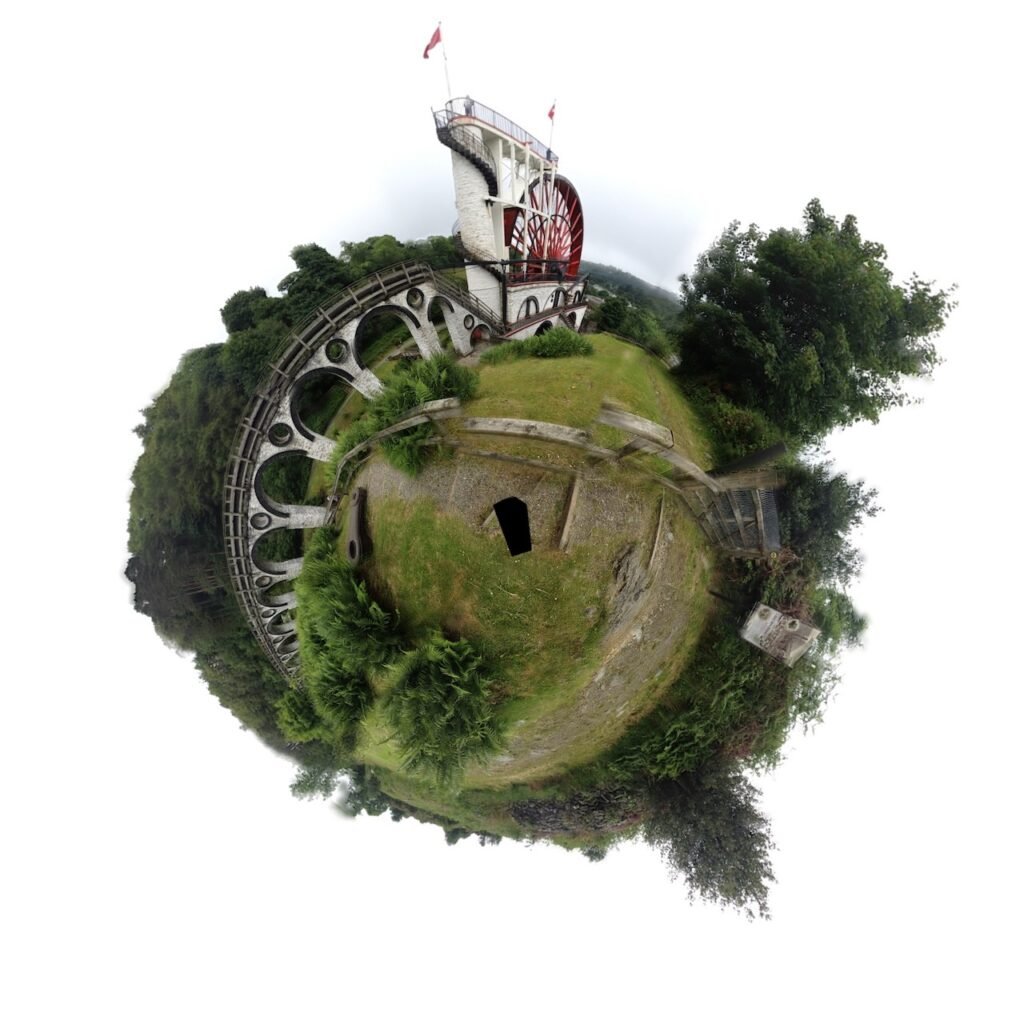
Little Worlds thrive on bending reality. Lean into the curves, the stretched buildings, the spiraling trees. These distortions give the image personality.
Watch Your Center
Whatever is closest to the lens becomes the “core” of the world. If you want a clean center, step back. If you want drama, get close.
Use the Sky as a Frame
Clouds, sunsets, and gradients create beautiful halos around the world.
Think in Circles
Instead of composing left‑to‑right, imagine how the entire environment will wrap into a sphere.
Capture Movement
People, birds, waves, and traffic add life — even when they warp or duplicate.
Technical Tips for Better Results
- Shoot in portrait orientation for more vertical coverage
- Keep your rotation smooth and level
- Use manual exposure to avoid brightness shifts
- Capture extra frames around the zenith and nadir
- Stitch in software that supports spherical projections
- Experiment with different stereographic settings
Little Worlds are as much about experimentation as technique. The more you play, the more expressive your results become.
Frequently Asked Questions
What is a Little World panorama?
A Little World panorama is a stereographic projection of a 360° spherical image, creating a circular, planet‑like view of the environment.
Do I need special equipment to shoot 360° panography?
You can use a dedicated 360° camera, a DSLR with overlapping frames, or even a smartphone app that supports full‑sphere capture.
Why does my main subject look distorted?
Objects close to the camera stretch dramatically in stereographic projections; stepping back reduces distortion.
Can I shoot Little Worlds in crowded places?
Yes — movement can create interesting effects, especially with live‑stitching apps that capture people mid‑motion.
What software is best for creating Little Worlds?
Any tool that supports spherical stitching and stereographic projection works well; the key is full 360° coverage.

 Panography.org | PANORAMA STYLES & APPROACHES
Horizontal Panoramas: A Creative and Historical Journey Through Left‑to‑Right Seeing
Horizontal panoramas have always been the heartbeat of panography—the purest expression of wide‑format seeing. They unfold the world in a single, continuous sweep, honoring the natural way we look across landscapes, cityscapes, and cultural spaces....
Final Thoughts
360° panography and Little Worlds panoramas invite us to see place differently — not as a straight line or a single viewpoint, but as a complete environment that wraps around us. These images compress the experience of being somewhere into a single, circular frame that feels both intimate and expansive. Whether you’re using a modern 360° camera or remembering the early days of live‑stitching apps like the old iPhone 4 “360,” the magic remains the same: capturing the spirit of a place in all directions at once.
Little Worlds remind us that photography isn’t just about documenting what we see. It’s about reshaping it, bending it, and discovering new ways to understand the spaces we inhabit.

