Table of Contents
Barnard’s photograph gains even more significance when you look at how deliberately it was made and what it reveals about the moment. The sheer width of the 42‑inch print isn’t just a technical feat—it reflects Barnard’s commitment to showing the full sweep of the Tennessee landscape at a time when panoramic photography was still evolving. The elevated vantage point on Lookout Mountain allowed him to compress an enormous field of view into a single, continuous image, giving viewers in the 1860s an unusually immersive sense of terrain, distance, and atmosphere.
The print’s albumen surface adds another layer of historical texture. Its warm tonal range, subtle contrast, and fine detail are characteristic of mid‑19th‑century photographic craftsmanship, and Barnard used those qualities to emphasize the depth and scale of the valley below. Even the catalog reference—“PH – Barnard, G., no. 86”—speaks to how carefully his work was archived and circulated, reinforcing its status as both an artistic achievement and a documentary record.
View from the Top of Lookout Mountain, Tennessee, February 1864

What makes this photograph especially important within panography’s lineage is the way it bridges art and evidence. Barnard wasn’t simply recording a scene; he was shaping a panoramic narrative of a landscape marked by conflict, movement, and strategic importance. The result is a foundational example of wide‑format storytelling long before modern panoramic tools existed.
A Historical and Strategic Vantage Point



Lookout Mountain’s importance in the Civil War wasn’t just symbolic—it was geographic, tactical, and psychological. Rising sharply above the Tennessee River Valley, the mountain offered commanding views in every direction, making it one of the most contested high points in the region. During the “Battle Above the Clouds” in November 1863, Union forces used this elevation to break Confederate control over Chattanooga, a transportation hub whose rail lines and river access shaped the movement of armies across the South. By the time Barnard stood on the summit in February 1864, the mountain had shifted from an active battleground to a vantage point of reflection, where the scars of conflict and the vastness of the landscape could be seen in a single sweep. That duality—strategic ground turned panoramic lookout—made it an ideal subject for early wide‑format photography.

Barnard’s Panoramic Technique: An Albumen Silver Masterpiece
Barnard approached panoramic work with a craftsman’s precision and an artist’s eye for spatial rhythm. The albumen silver process, with its fine detail and luminous tonal range, allowed him to render the terrain with clarity while preserving the atmospheric softness of winter light. The long, continuous print format let him organize the landscape almost like a visual sentence: foreground rock ledges, mid‑distance slopes, the winding river, and the hazy horizon all linked in a deliberate sequence. This wasn’t simply a wide photograph—it was a composed experience of place. Barnard’s choices reveal how early panographers used format to guide attention, emphasize scale, and convey the lived reality of a landscape shaped by war, weather, and topography.
Highlights of Barnard’s Work
- Panoramic Composition: The expansive 42-inch width immerses viewers in the scene, exemplifying early photographic panography.
- Technical Excellence: The albumen silver process enhanced tonal depth and clarity, essential for capturing panoramic views.
- Historical Context: This image serves as a visual time capsule, preserving a pivotal moment in American history.
The Cultural Significance of Early Panography
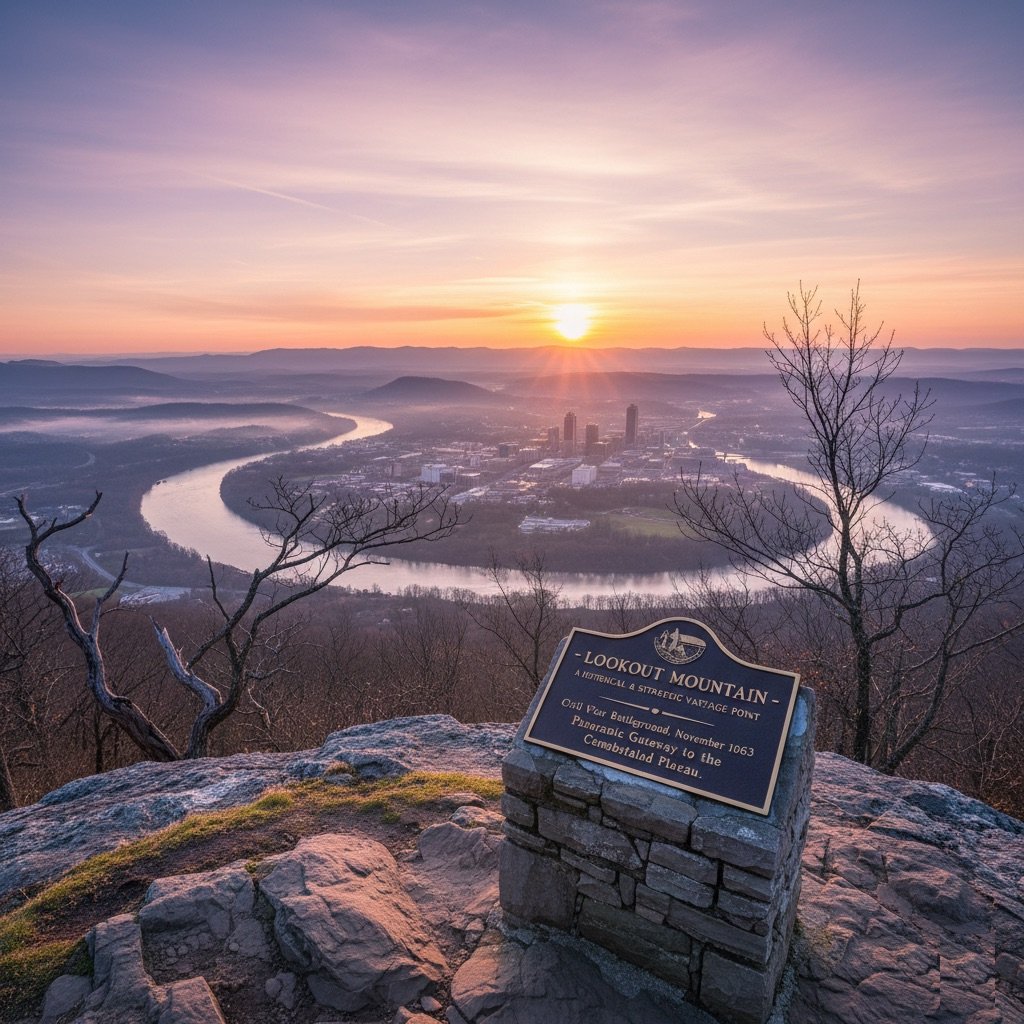
Early panography carried cultural weight far beyond its technical novelty. In a period when most Americans would never travel widely, panoramic photographs acted as shared visual memory—large, detailed records that shaped how people understood distant places, battlefields, and national identity. These sweeping images circulated in albums, exhibitions, and printed engravings, becoming part of the cultural fabric that defined how the Civil War and its landscapes were remembered.
Barnard’s work sits at the center of that shift. His panoramic prints didn’t just document terrain; they offered viewers a way to inhabit a place emotionally and intellectually. The wide format encouraged slow looking, inviting people to trace ridgelines, river bends, and the subtle marks of human presence. In doing so, early panography helped establish a visual language for collective memory—one that blended art, reportage, and cultural storytelling.
Key Contributions to Panographic History
- Expanding Perspectives: Early panography allowed photographers to capture broader scenes, offering viewers a richer visual narrative.
- Historical Documentation: Panoramic views like Barnard’s documented the Civil War with unparalleled detail, blending art with history.
- Inspiring Innovation: Works like this pushed the boundaries of photographic technology, inspiring subsequent advancements in panoramic photography.
 Panography.org | PANORAMA STYLES & APPROACHES
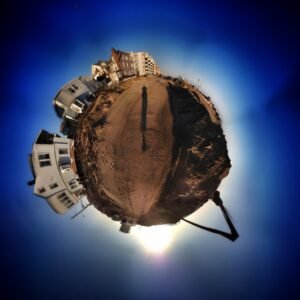
360° Panography | Little Worlds Panorama
Step inside a spherical reality where the horizon bends into a miniature planet, offering a playful and immersive take on the traditional landscape.
Conclusion: A Panographic Legacy
Barnard’s View from the Top of Lookout Mountain endures because it captures more than a scene—it captures a moment when photography, history, and cultural memory were beginning to intertwine. The photograph’s sweeping format invites a kind of engagement that smaller prints couldn’t achieve, encouraging viewers to follow the contours of the valley and imagine the events that unfolded there only months earlier. Its combination of technical skill, historical context, and artistic intention makes it a touchstone for understanding how early panoramic photography shaped the way Americans visualized their own past.
Barnard’s legacy within panography rests on this ability to merge documentation with interpretation. His Lookout Mountain panorama stands as a reminder that wide‑format photography has always been about more than width—it’s about perspective, storytelling, and the human desire to see the world in its fullest dimensions.