Table of Contents
Horizontal panoramas have always been the heartbeat of panography—the purest expression of wide‑format seeing. They unfold the world in a single, continuous sweep, honoring the natural way we look across landscapes, cityscapes, and cultural spaces. For traveling artists and panoramic photographers, the horizontal format becomes a way of moving through place: attentive, observant, and open to the full breadth of the environment.
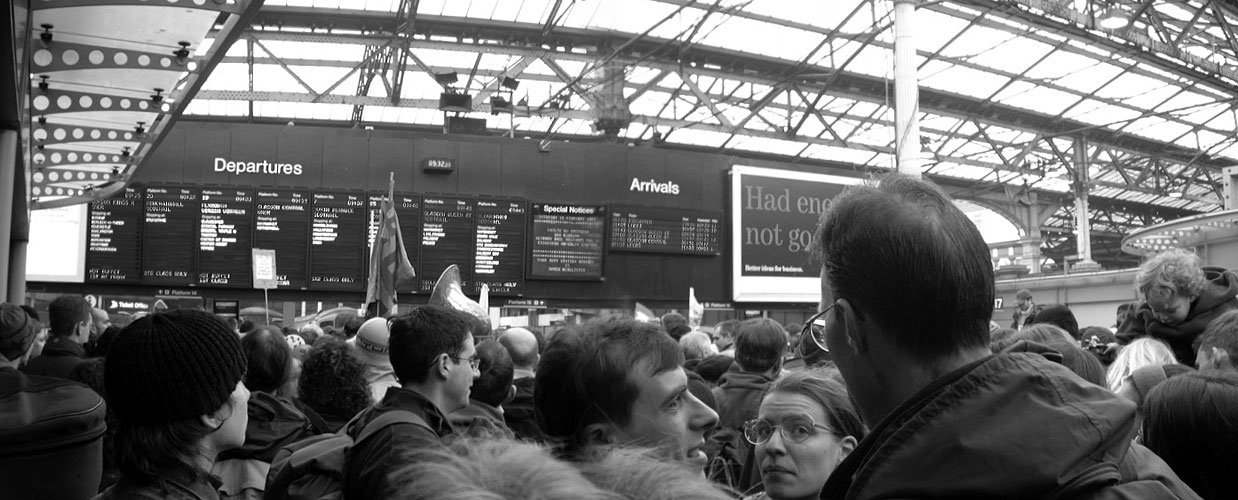
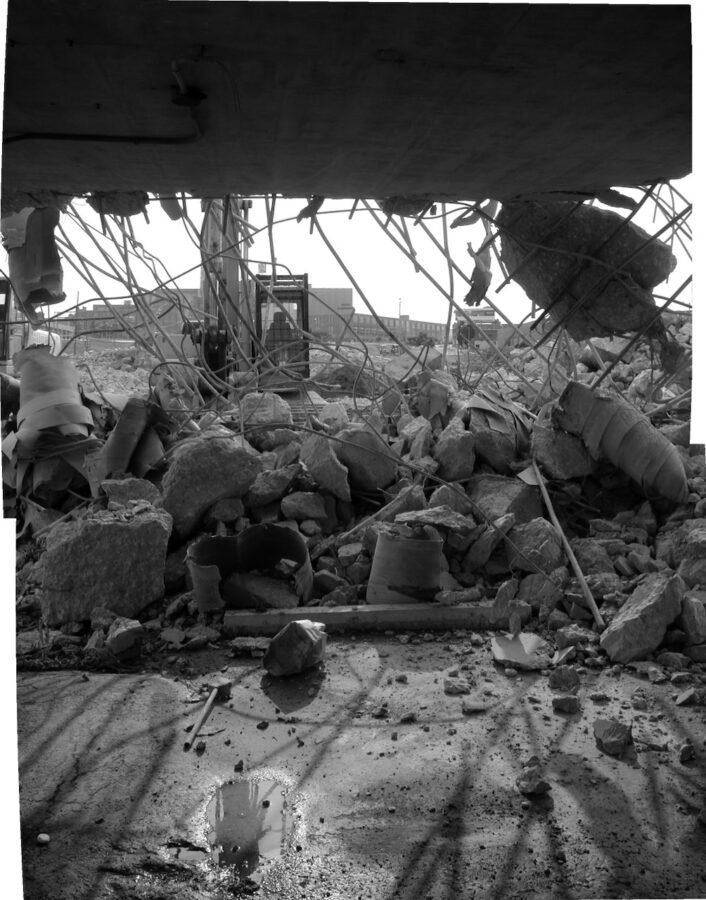
credit: jasonjpogodzinski
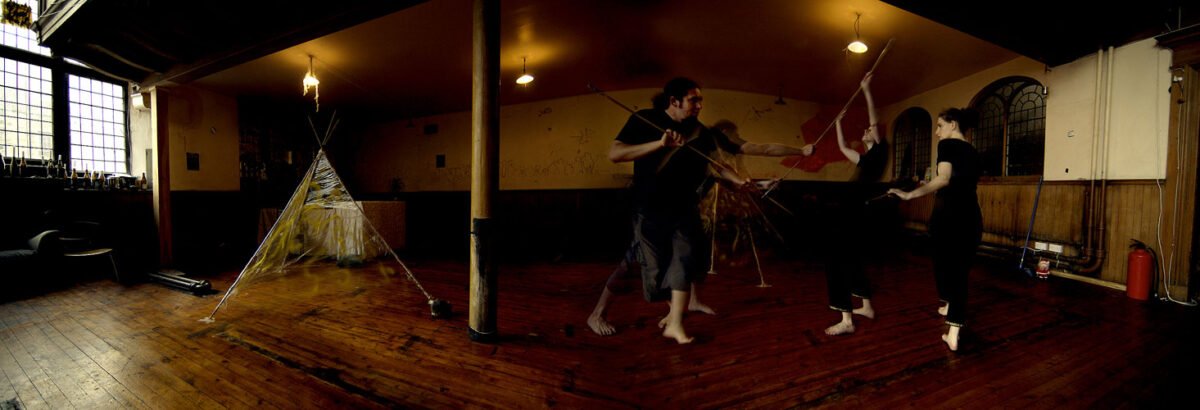
This post explores the creative, historical, and experimental dimensions of horizontal panoramas. It is not a tutorial. Instead, it’s a journey through the lineage of left‑to‑right imaging, the fine‑art traditions that shaped it, and the many ways contemporary artists continue to reinterpret the horizontal sweep.
The Origins of Left‑to‑Right Seeing
Before the camera, the human instinct to scan a scene from left to right was embedded in how we read, write, and record. Ancient scrolls — from Egyptian papyri to Chinese handscrolls — were designed to be unrolled horizontally, revealing stories and landscapes in a slow, deliberate sweep. These scrolls weren’t just texts; they were panoramic experiences, guiding the eye across time and terrain.
In the West, left‑to‑right seeing became dominant through Latin and Greek scripts, shaping how visual narratives were composed — from Renaissance frescoes to modern film storyboards. But not all cultures followed this path.
Right‑to‑Left Seeing and Cultural Counterflows
In Arabic, Hebrew, and other right‑to‑left scripts, the eye travels in the opposite direction — a mirrored rhythm that influences layout, composition, and visual flow. This reversal creates a different kind of panoramic logic, where movement and meaning unfold from the right edge inward.
Understanding these directional traditions deepens our appreciation of panography as a cultural practice. Whether sweeping left or right, panoramic seeing is always a journey — one shaped by language, history, and the way we move through space.
The Origins of Seeing Side to Side in Panography



Long before digital stitching or in‑camera panorama modes, artists and photographers were already thinking horizontally. Early panoramic prints, rotating cameras, and wide‑format sketches all shared a desire to capture the scope of a place rather than a single moment within it.

Horizontal panoramas emerged from:
- 19th‑century landscape traditions, where painters stretched canvases to echo the sweep of valleys and coastlines
- rotational film cameras, which mechanically scanned the horizon
- cartographic panoramas, used to map cities and mountain ranges
- early travel photography, where explorers documented entire vistas in a single arc
These early works weren’t just technical achievements—they were cultural artifacts. They revealed how people understood space, geography, and the relationship between humans and their environment.
Horizontal panoramas became a way to translate lived experience into visual form, preserving the feeling of standing in a place and letting the world expand around you.

Why Horizontal Panoramas Endure
Even in an era of 360‑degree cameras and immersive VR, the horizontal panorama remains the most iconic and widely used form of panography. Its strength lies in its simplicity: a single axis, a single sweep, a single gesture of attention.
Horizontal panoramas excel at:
- capturing breadth, from coastlines to skylines
- revealing spatial rhythm, such as repeating rooftops or mountain ridges
- showing environmental transitions, like shifting weather or changing light
- honoring the natural movement of the eye, which scans left to right
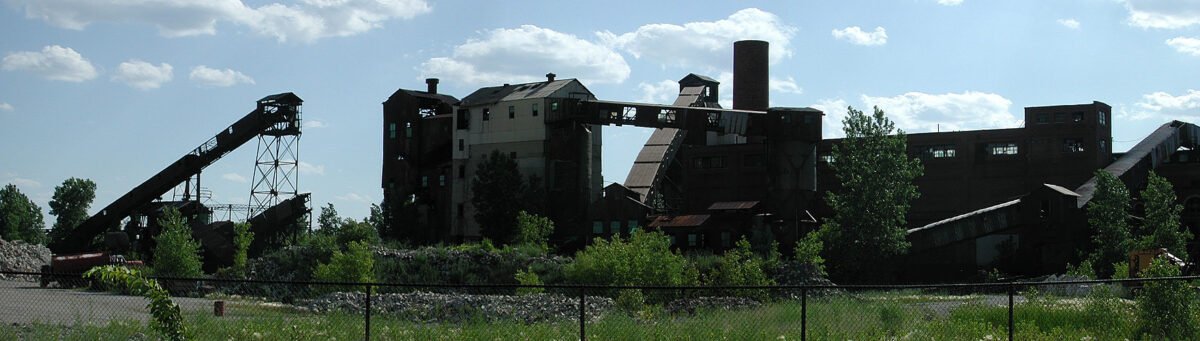
For traveling artists, the horizontal format becomes a visual diary—an unfolding record of place, culture, and atmosphere.
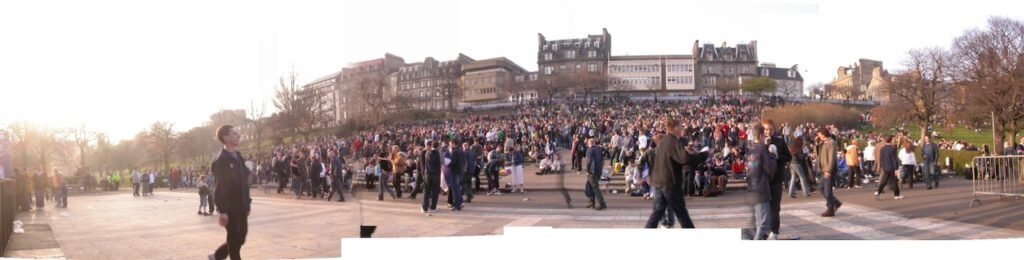
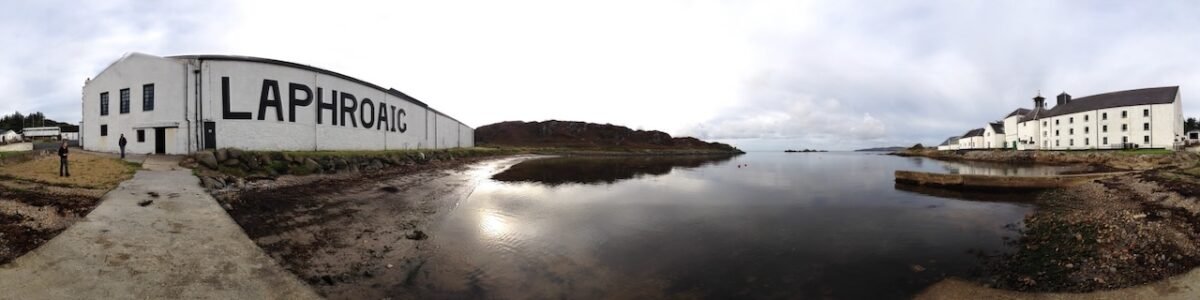
credit: jasonjpogodzinski
The Fine‑Art Tradition of Horizontal Panoramas
In fine art, horizontal panoramas have always been more than documentation. They are interpretive, expressive, and deeply tied to the artist’s experience of place.
The Horizon as a Narrative Line
In many cultures, the horizon is symbolic: a boundary, a promise, a threshold. Artists use horizontal panoramas to explore this line as a narrative element—sometimes anchoring the composition, sometimes letting it drift.
The Sweep of Time
A horizontal panorama can compress minutes—or even hours—into a single image. Light shifts, crowds move, shadows stretch. The result is a visual timeline disguised as a single frame.
The Emotional Arc
Wide‑format seeing invites emotional spaciousness. A desert panorama feels different from a dense urban one, not just visually but psychologically. The horizontal sweep becomes a mood.
The Artist’s Walk
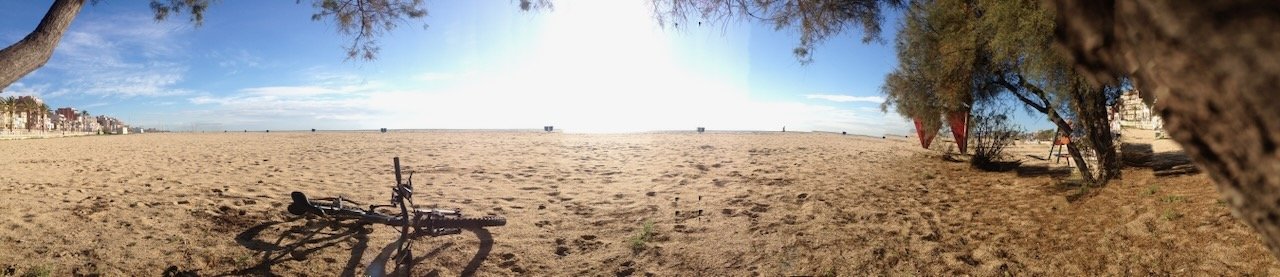
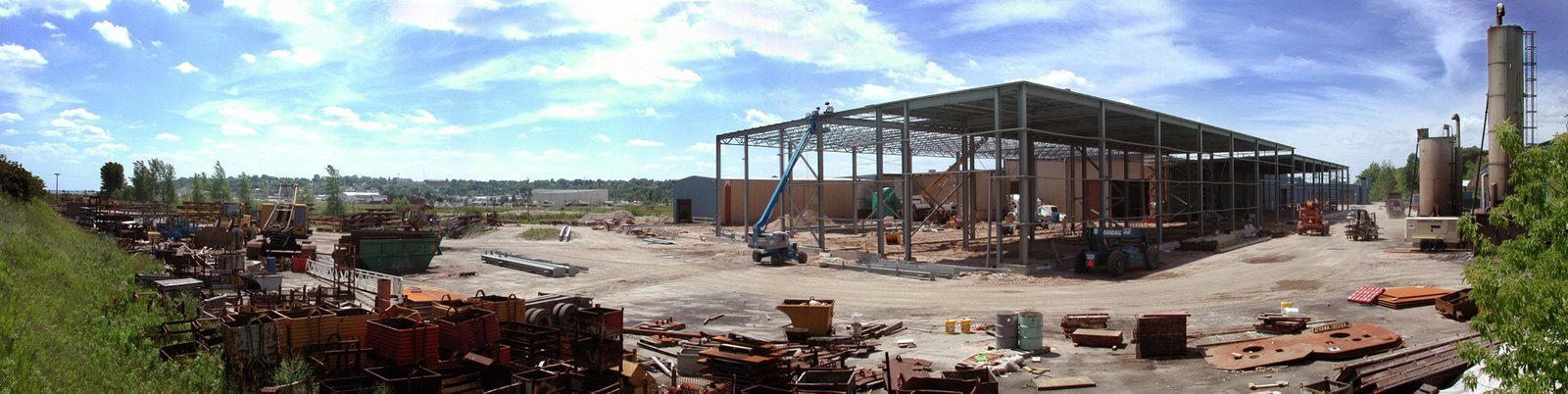
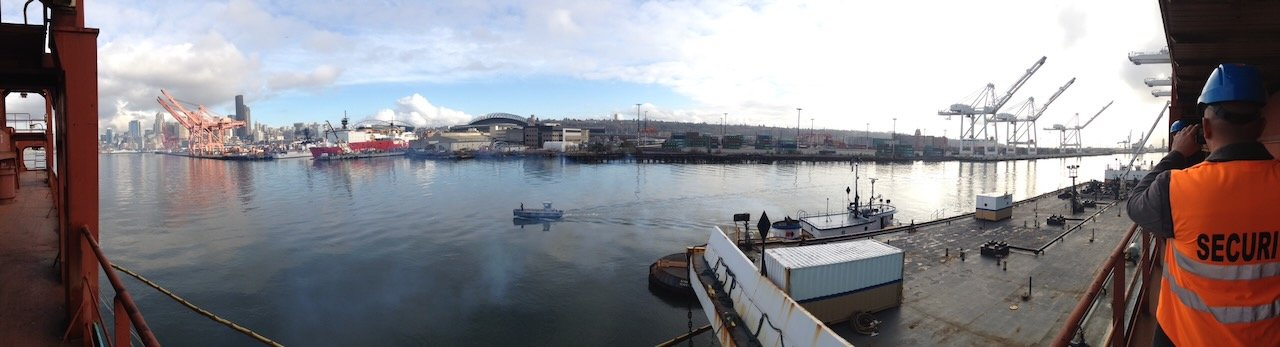
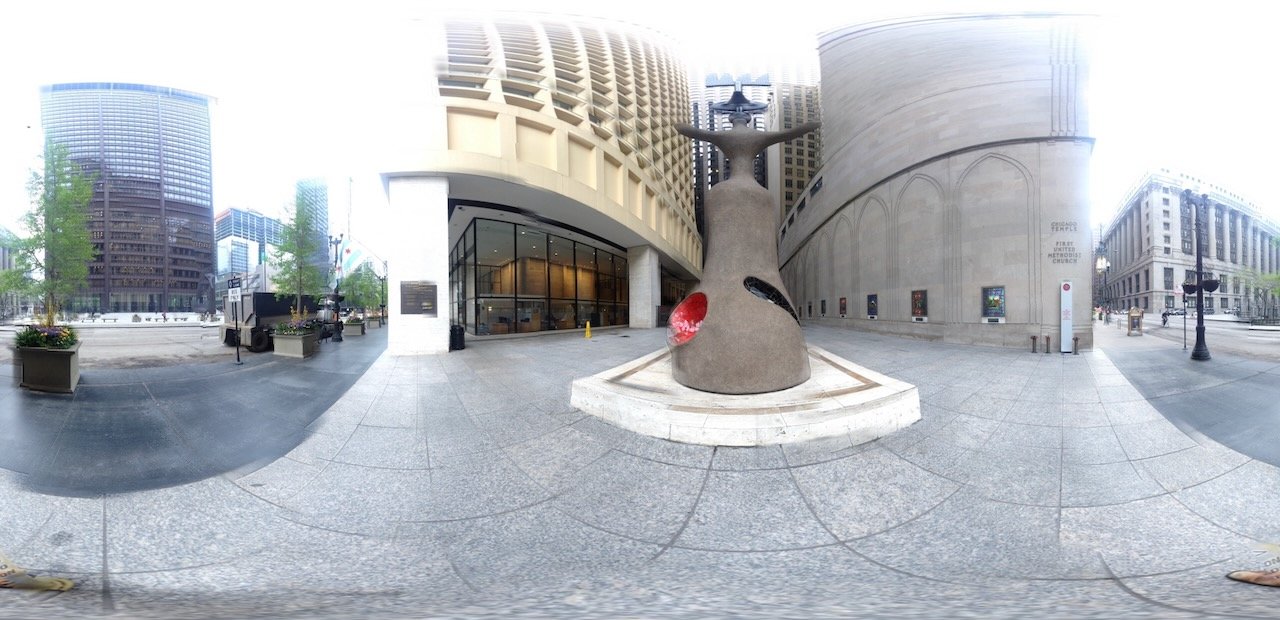
Many horizontal panoramas are created while moving—walking a shoreline, tracing a boulevard, or following a ridge. The image becomes a record of the artist’s path, a stitched memory of motion.
Historical Approaches to Horizontal Panoramas
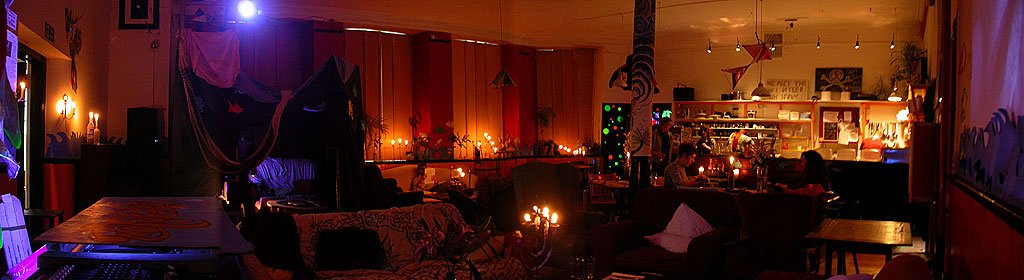
Horizontal panoramas have taken many forms across history, each one expanding the possibilities of left‑to‑right seeing.
Smooth Rotational Sweeps
Early rotating cameras created seamless, continuous panoramas. These images feel calm and meditative, echoing the slow turn of the device.
Multi‑Frame Assemblies
Photographers stitched sequences of prints by hand, embracing slight shifts in perspective. These panoramas feel tactile and human—imperfect in a way that adds character.
Wide‑Format Film
Specialized panoramic film cameras captured elongated frames that emphasized breadth without stitching. Their images have a cinematic quality, like stills from a sweeping tracking shot.
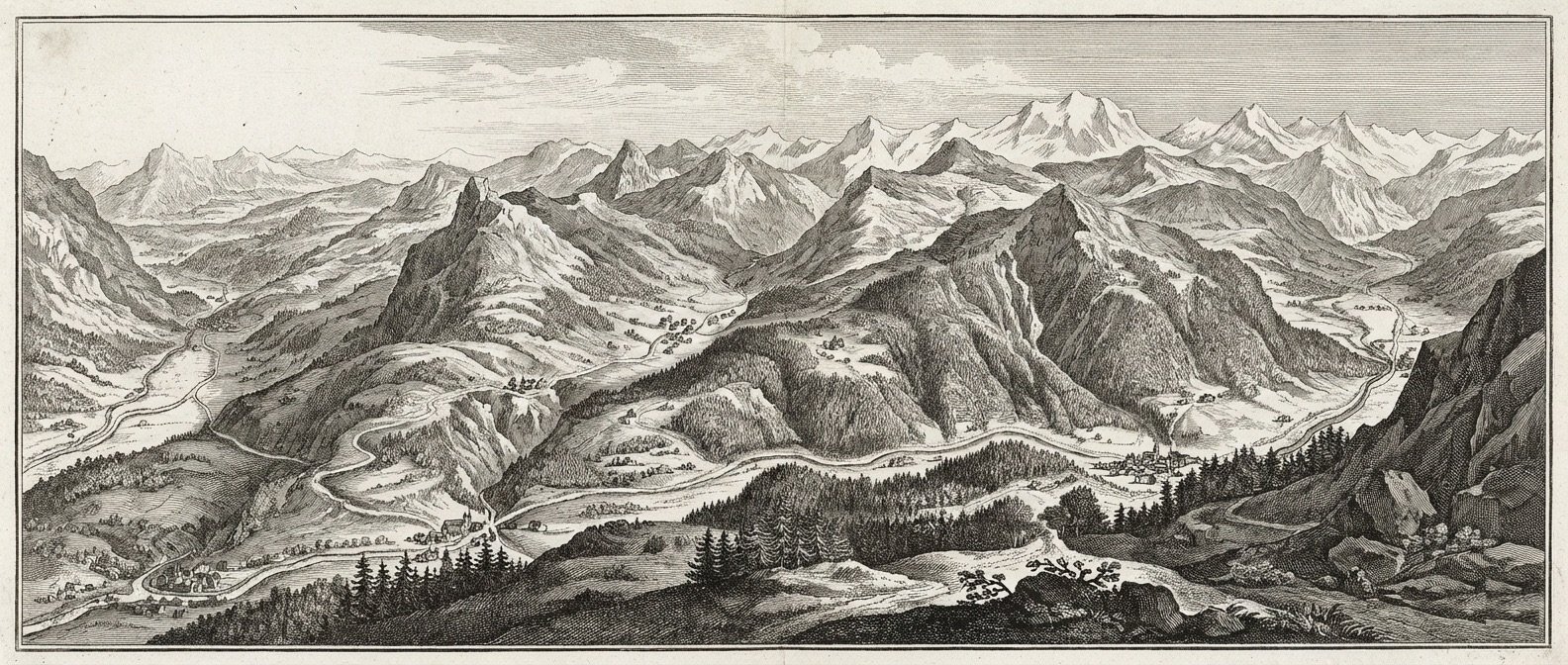
Hand‑Drawn Panoramas
Artists sketched cityscapes and landscapes in long, horizontal notebooks. These works often blend observation with interpretation, capturing not just what was seen but how it felt.
Contemporary and Experimental Approaches
Today’s panographers have more freedom than ever. Horizontal panoramas can be smooth, fragmented, abstract, or intentionally imperfect. As long as the sequence moves left to right, it belongs to the tradition.
Smooth Digital Panoramas
Modern cameras and software create seamless, high‑resolution sweeps ideal for landscapes, skylines, and architectural scenes.
Gapped Panoramas
Artists intentionally leave space between frames, creating a rhythmic, broken‑sequence effect. These panoramas feel like visual poetry—suggestive rather than literal.
Overlapping Exposures
Some panographers overlap frames heavily, creating ghosted edges and layered transitions that feel dreamlike.
Tilted or Off‑Axis Sequences
Even though the panorama is horizontal, individual frames may tilt or shift, adding tension and energy to the composition.
Abstract Horizontal Studies
Not all horizontal panoramas depict place. Some explore color, texture, or movement—like waves, crowds, or passing landscapes seen from a train.
The horizontal constraint becomes a creative playground.

Horizontal Panoramas in Travel and Place‑Based Photography
For traveling artists, horizontal panoramas are a way to honor the full character of a location. They capture:
- the sweep of a coastline at dawn
- the layered density of a historic district
- the quiet expanse of a desert road
- the rhythm of rooftops in a hillside town
- the shifting colors of a museum courtyard at sunset
These images become more than records—they become invitations to remember how a place felt, sounded, and moved.
Horizontal panoramas encourage you to slow down, look wider, and let the environment guide your attention.
Frequently Asked Questions
What defines a horizontal panorama?
A horizontal panorama is any left‑to‑right sequence or sweep that emphasizes width and spatial continuity.
Do horizontal panoramas need to be seamless?
Not at all—smooth, gapped, overlapping, or experimental sequences all qualify as long as they move horizontally.
Are horizontal panoramas only for landscapes?
No, they work beautifully for cityscapes, interiors, cultural spaces, and abstract studies.
Can I create horizontal panoramas without special equipment?
Yes, any camera—or even a phone—can capture horizontal sequences that can be stitched or arranged creatively.
What makes horizontal panoramas so popular?
They reflect the natural way we observe the world, making them intuitive, expressive, and visually immersive.

 Panography.org | PANORAMA HISTORY & ORIGINS
A Panographic Masterpiece | View of Madison, Indiana, c. 1866
Behold the intricate details of a mid-19th-century river town. This expansive study captures the architectural soul and daily rhythm of a bygone Indiana.
Final Thoughts
Horizontal panoramas invite us to see the world in arcs rather than fragments. They honor the sweep of a coastline, the rhythm of a city, and the quiet expanse of open land. From early rotating cameras to today’s experimental digital sequences, left‑to‑right seeing has shaped how artists understand place, culture, and environment.
As you move through the world—whether wandering a museum courtyard, tracing the edge of a canyon, or walking a familiar neighborhood—horizontal panoramas offer a way to gather the full story of a place. They remind us that creativity often begins with simply widening our gaze and letting the world unfold in its natural rhythm.
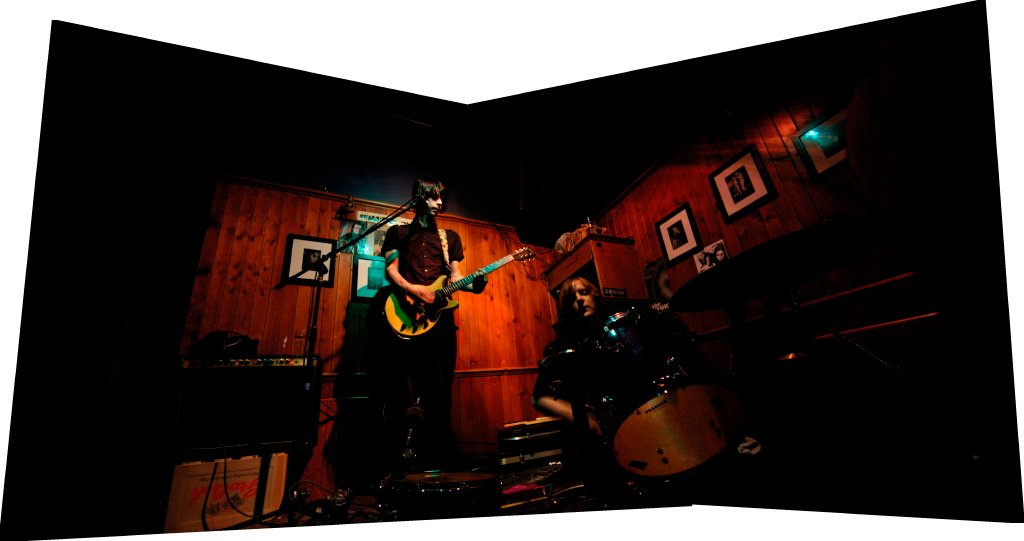
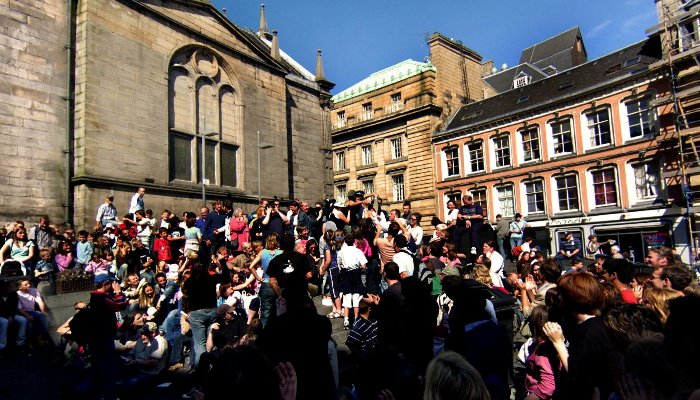
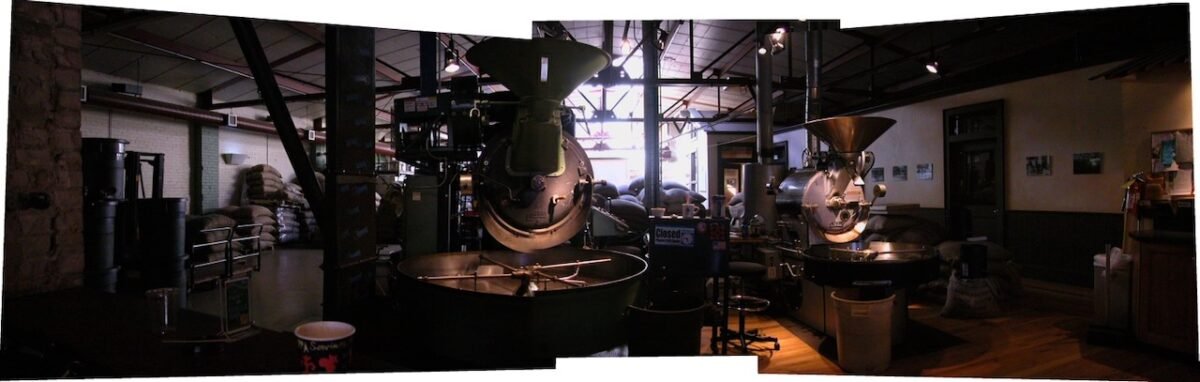
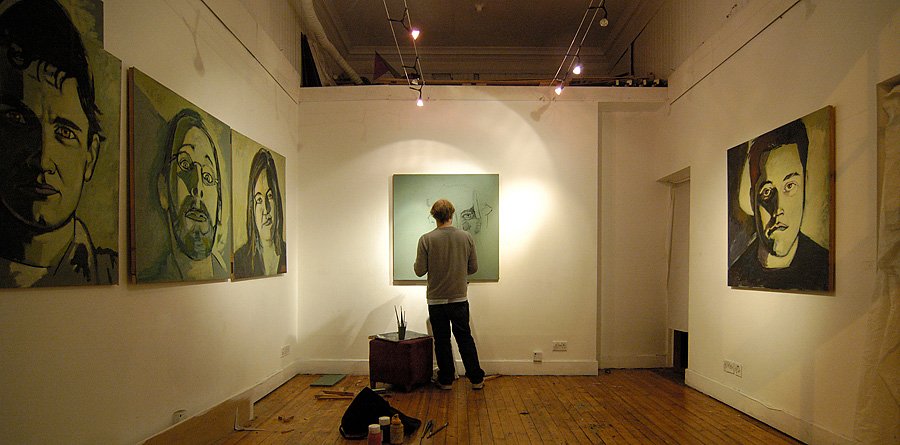
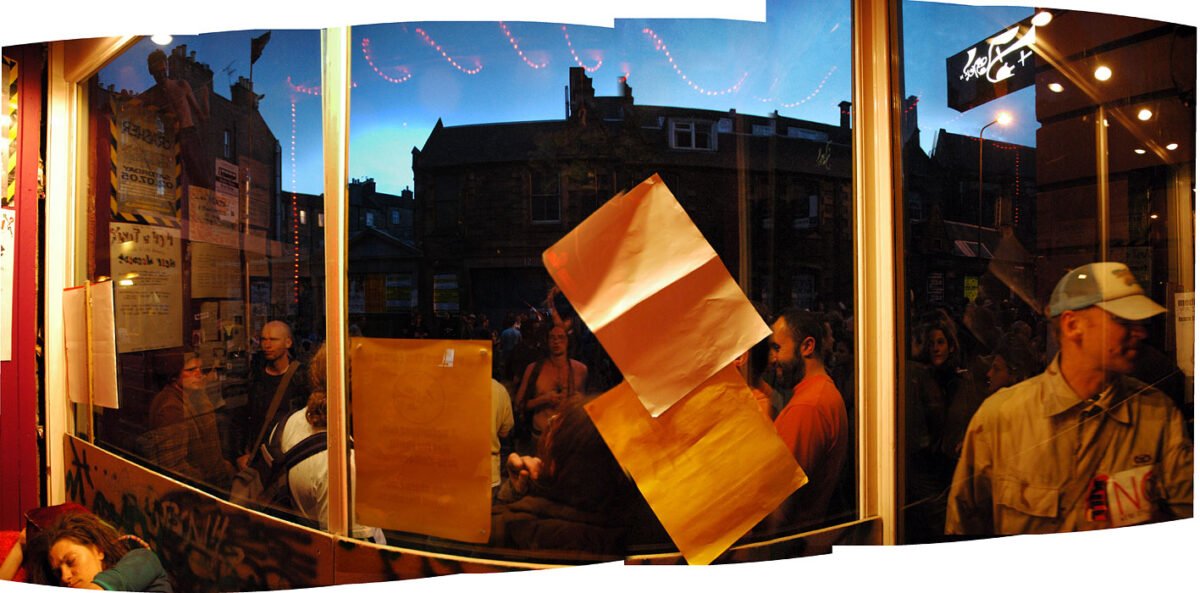
credit: jasonjpogodzinski