Table of Contents
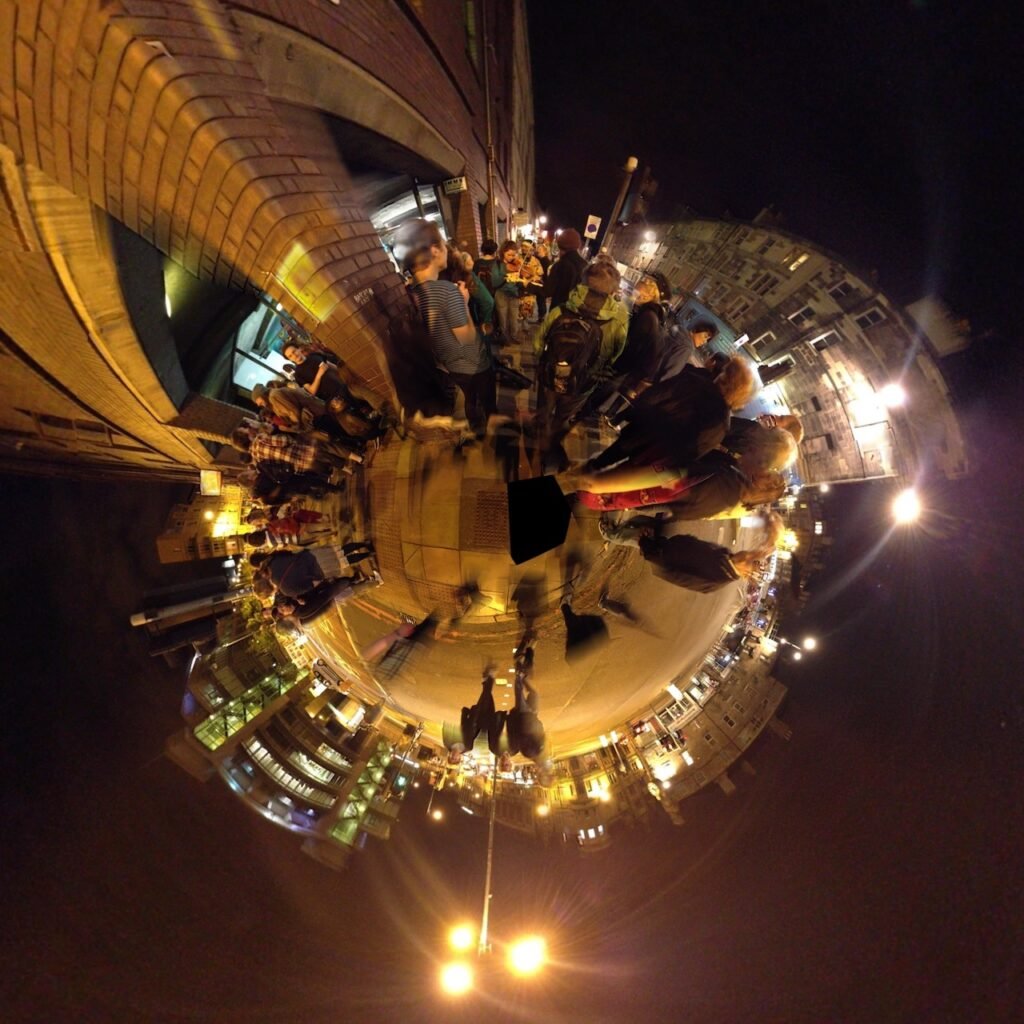
Cities have always been living organisms — expanding, shifting, and reshaping themselves in response to culture, migration, architecture, and time. When viewed through a panoramic lens, urban growth becomes more than a collection of buildings and streets. It becomes a wide‑format story: a sweeping composition of skylines, waterfronts, bridges, neighborhoods, and the human rhythms that animate them. City panoramas reveal the scale, complexity, and atmosphere of urban environments in ways that single‑frame images cannot, offering traveling artists and panoramic photographers a deeper understanding of how cities evolve and breathe.
This post explores how panoramic photography captures the expansive view of urban growth, how wide‑format seeing transforms our relationship with cityscapes, and why panography remains one of the most powerful tools for documenting the cultural and architectural stories of modern cities.
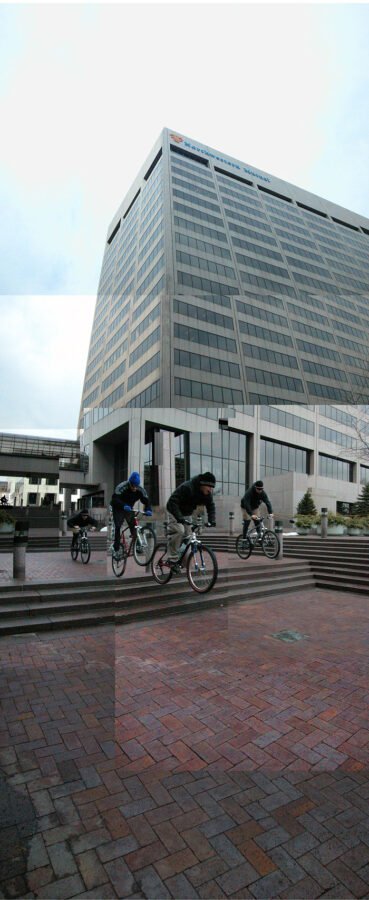
credit: JASONJPOGODZINSKI
The Expansive View: Why Cities Belong to Panography
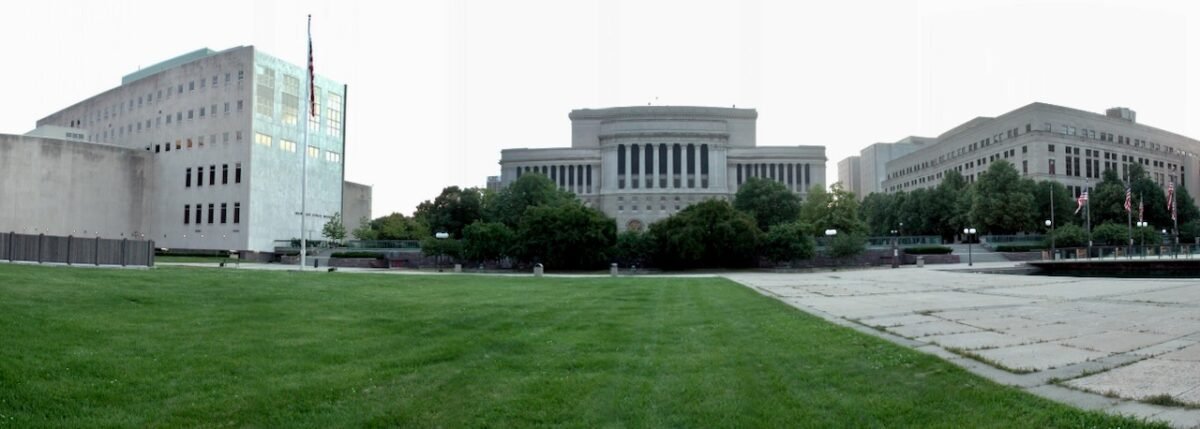
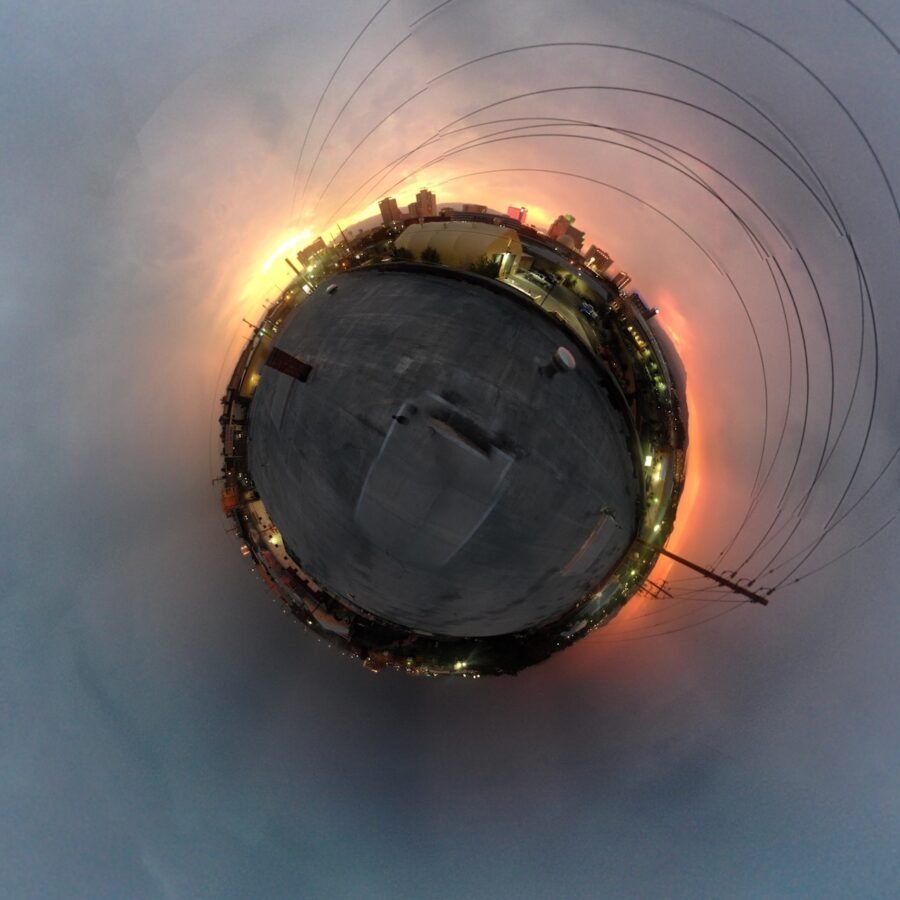
Cities are built for panoramic seeing. Their long horizons, layered skylines, and architectural patterns naturally lend themselves to wide‑format compositions. When you step back — onto a hilltop, a rooftop, a riverwalk, or a bridge — the city reveals itself as a continuous landscape.
The Rhythm of Urban Expansion
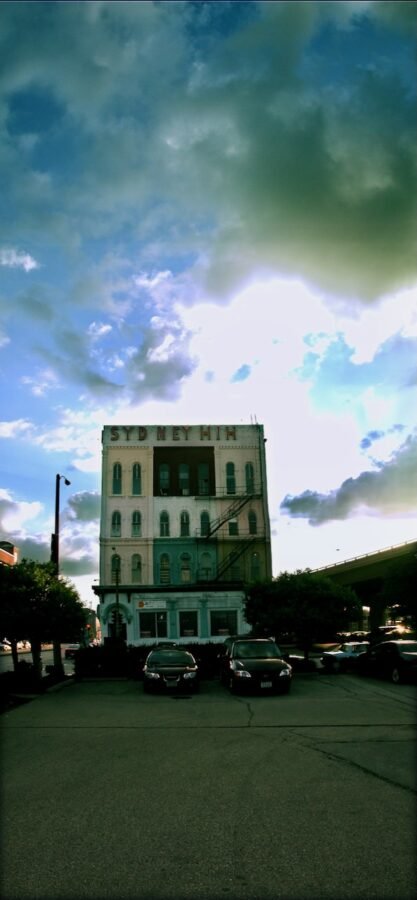
Urban growth is rarely linear. It spreads outward and upward, creating a mosaic of old and new. Panoramas capture this contrast:
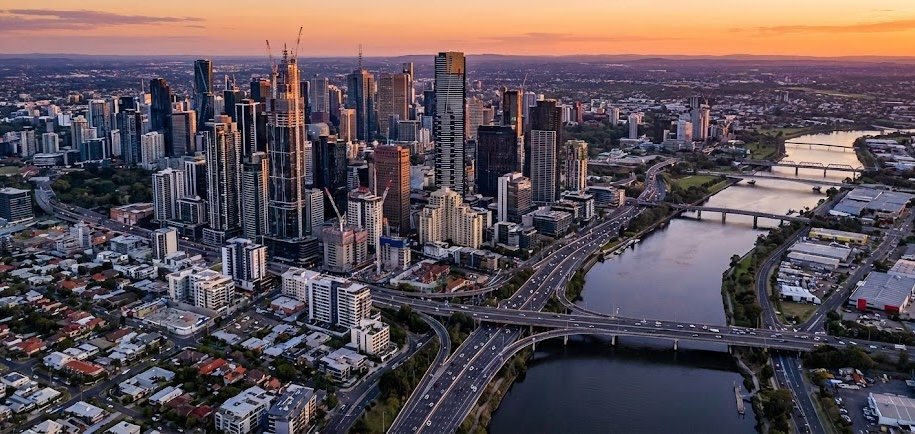
- historic districts beside modern towers
- industrial zones merging into creative neighborhoods
- waterfronts transformed into cultural hubs
- transportation lines weaving through the city
These wide views help us understand how cities evolve over decades and centuries.
The Power of Scale
Panoramic photography emphasizes scale — the height of skyscrapers, the width of boulevards, the density of neighborhoods. It shows how architecture interacts with geography, light, and atmosphere.
A Sense of Movement
Cities are never still. Traffic flows, crowds gather, lights flicker on at dusk. Panography captures this movement across space, creating images that feel alive.
How Panoramas Reveal the Story of Urban Growth
Layered Architecture
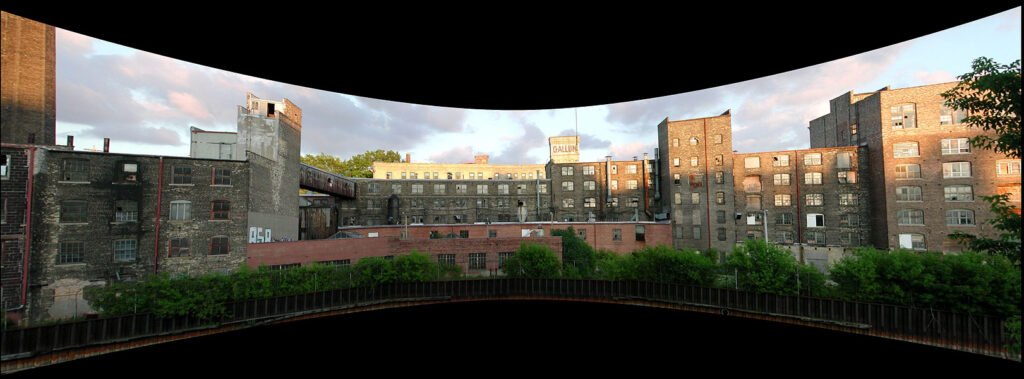
Cities grow in layers. A panoramic image can reveal:
- early brick buildings
- mid‑century industrial structures
- contemporary glass towers
- cultural landmarks
- evolving skylines
These layers tell the story of economic shifts, cultural influences, and architectural trends.
Changing Horizons
As cities expand, their horizons change. New towers rise, bridges extend, and waterfronts are redesigned. Panoramas document these transitions with clarity and depth.
Cultural Geography
Urban growth is shaped by culture — markets, festivals, public art, and community spaces. Wide‑format images capture the relationship between people and place, showing how culture fills the city with life.
Environmental Context
Cities do not exist in isolation. They sit within landscapes — mountains, rivers, coastlines, plains. Panoramas reveal how geography influences urban form and atmosphere.
Iconic Vantage Points for City Panoramas
Rooftops and Observation Decks
High viewpoints offer sweeping views of skylines, grids, and architectural patterns. These locations are ideal for capturing the full breadth of urban growth.
Bridges and Riverwalks
Linear spaces like bridges and waterfronts provide long sightlines that emphasize the flow of the city.


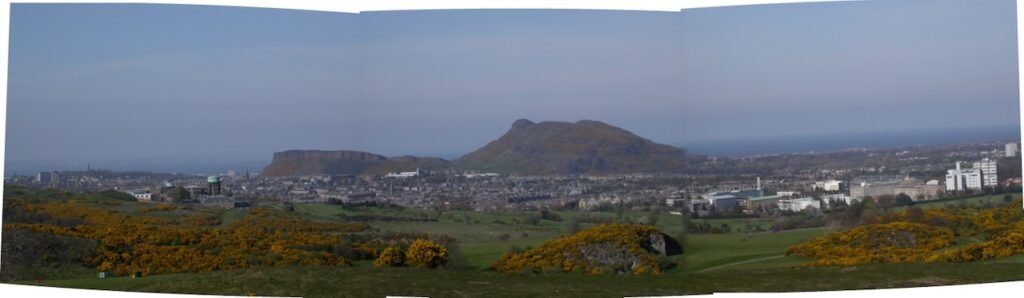
Hills and Overlooks
Natural elevations reveal how the city sits within its landscape, offering panoramic views that blend nature and architecture.
Cultural Landmarks
Historic towers, cathedrals, and monuments often provide elevated perspectives that highlight both old and new cityscapes.
Techniques for Capturing Expansive Urban Views
Follow the Horizon
Use the skyline as a guiding line. Let it anchor the composition and lead the viewer across the frame.
Embrace Atmospheric Light
Cities transform dramatically with light:
- sunrise warms the skyline
- midday reveals architectural detail
- sunset creates silhouettes
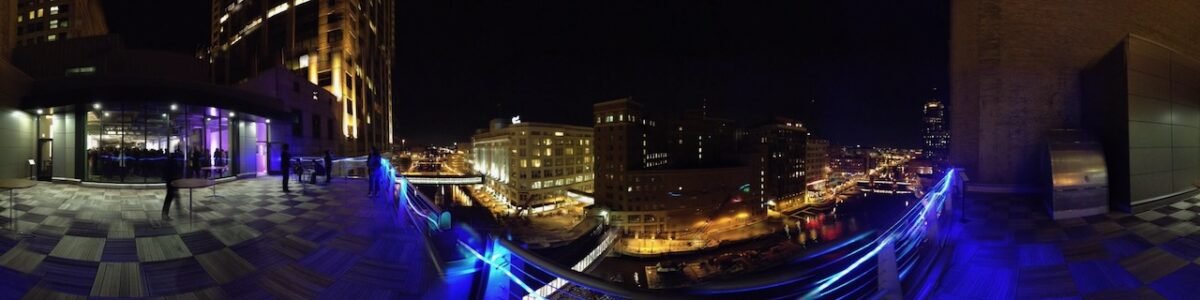
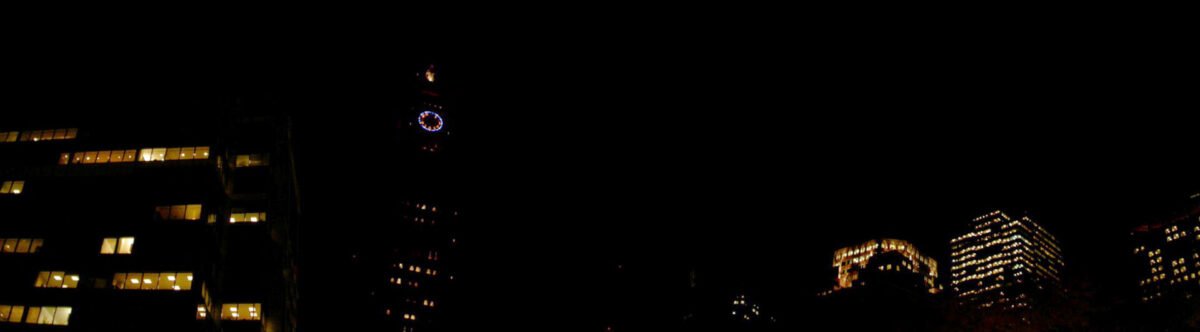
- night brings reflections and neon glow

These atmospheric shifts add emotion to panoramic images.
Include Foreground Elements
Railings, rooftops, trees, or architectural details help create depth and context.
Capture Cultural Layers
Markets, street art, festivals, and public spaces add narrative richness to city panoramas.
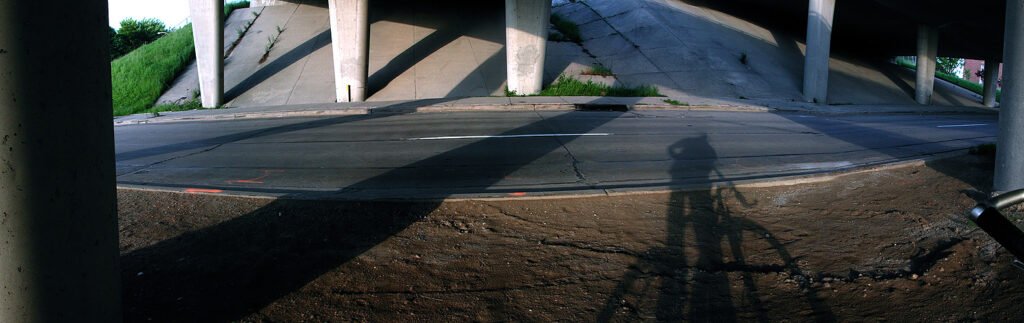
City Panoramas as Cultural Documentation
Recording Urban Change
Panoramas preserve moments in a city’s evolution — new construction, redevelopment, or the preservation of historic districts.
Mapping Human Movement
Wide‑format images capture the flow of people, vehicles, and daily life, revealing the pulse of the city.
Celebrating Architecture
Panoramas highlight architectural diversity, from modern skyscrapers to historic facades.
Understanding Urban Identity
Every city has a unique visual identity. Panoramas help artists and travelers understand what makes each place distinct.
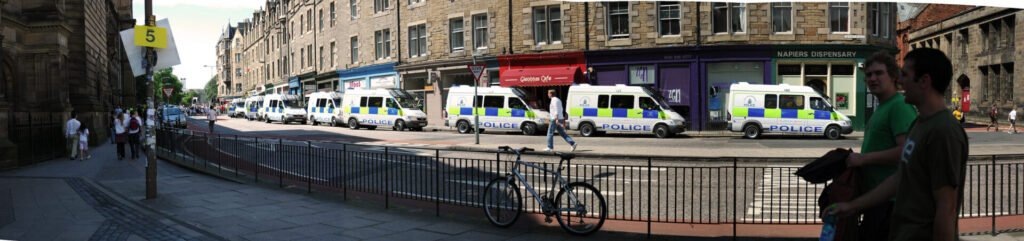
The Emotional Landscape of the City
Cities evoke emotion — awe, nostalgia, excitement, curiosity. Panoramic photography captures these feelings by showing:
- the vastness of the skyline
- the intimacy of neighborhoods
- the energy of public spaces
- the quiet beauty of early morning streets
Wide‑format seeing becomes a way of connecting emotionally with the urban environment.

Panography.org | PANORAMA HISTORY & ORIGINS
The First Panoramic Cameras | Puchberger, Sutton & the Mechanical Revolution
Appreciate the mechanical ingenuity of the early inventors. These first rotating cameras represent a revolutionary leap in how we document physical space.
Frequently Asked Questions
Why are cities ideal subjects for panoramic photography?
Cities offer long horizons, layered architecture, and dynamic movement that translate beautifully into wide‑format compositions.
What vantage points work best for city panoramas?
Rooftops, bridges, hills, and waterfronts provide expansive views that reveal the structure and atmosphere of the city.
How does panography help document urban growth?
Panoramas capture architectural layers, cultural spaces, and changing skylines, preserving the story of a city’s evolution.
Can city panoramas be used for sketching or painting?
Yes — panoramic images serve as excellent references for artists studying composition, color, and spatial relationships.
What time of day is best for city panoramas?
Golden hour, blue hour, and nighttime offer dramatic lighting that enhances the mood and detail of urban scenes.
Final Thoughts
Urban growth is a panoramic story — a wide‑format narrative shaped by architecture, culture, geography, and time. When viewed through a panoramic lens, cities reveal their complexity and beauty in ways that feel immersive and alive. Panography allows us to step back and see the city as a whole: its horizons, its rhythms, its contrasts, and its evolving identity.
For panoramic photographers, city panoramas offer endless inspiration. Whether you’re photographing a riverwalk at dusk, or observing the glow of a skyline from a distant hill, the wide view invites you to understand the city not just as a place, but as an experience — expansive, layered, and full of stories waiting to be captured.
credit: JASONJPOGODZINSKI