Table of Contents
Most photographers eventually hit a wall where the standard frame feels like a cage. We stand before a vast mountain range or a complex city skyline, and the viewfinder simply cannot hold the ‘feeling’ of being there. Panography is the technical escape from those boundaries. It is more than just ‘making a wide image’; it is a shift in how you perceive scale, depth, and the flow of a landscape. By moving beyond the single-click capture, you begin to see the world as a continuous narrative rather than a series of isolated boxes. Here is how embracing the panoramic perspective transforms your creative process from observing a scene to fully documenting an environment.
credit: JASONJPOGODZINSKI
Expanding Horizons
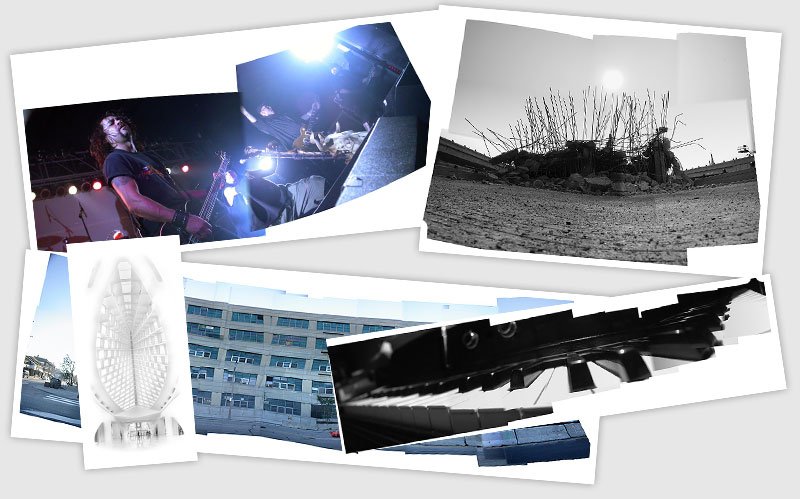
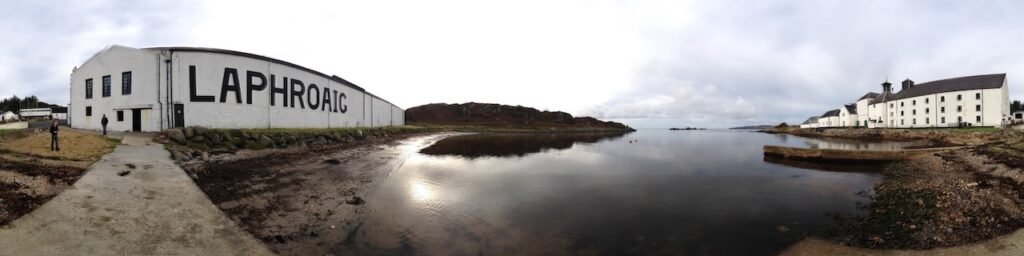
Panography is a photographic technique in which multiple images are stitched together to create a wide-angle or 360-degree panorama. This process allows photographers to break free from the constraints of a single frame, offering sweeping views of landscapes, cityscapes, events, and more.
Why Panography Is Transformative
- Enhanced Creativity: Experimenting with panoramic techniques opens new avenues for artistic expression.
- Immersive Visuals: Panographs provide a sense of scale and depth that traditional photography often lacks.
- Expanding Narratives: Incorporating multiple perspectives into a single image allows for richer storytelling.
Unlocking the Creative Potential of Panography
Broadening Your Perspective



Traditional photography often focuses on a single subject or composition. Panography challenges photographers to think bigger, incorporating expansive views and multiple elements into one cohesive image.
Creative Techniques to Try
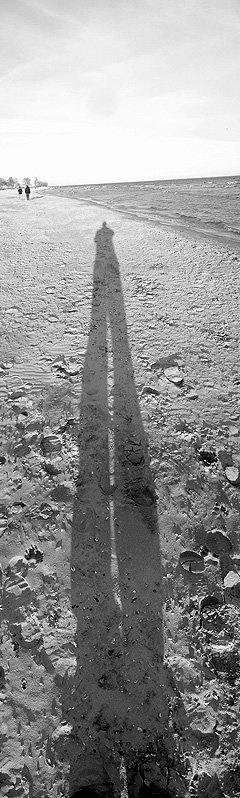
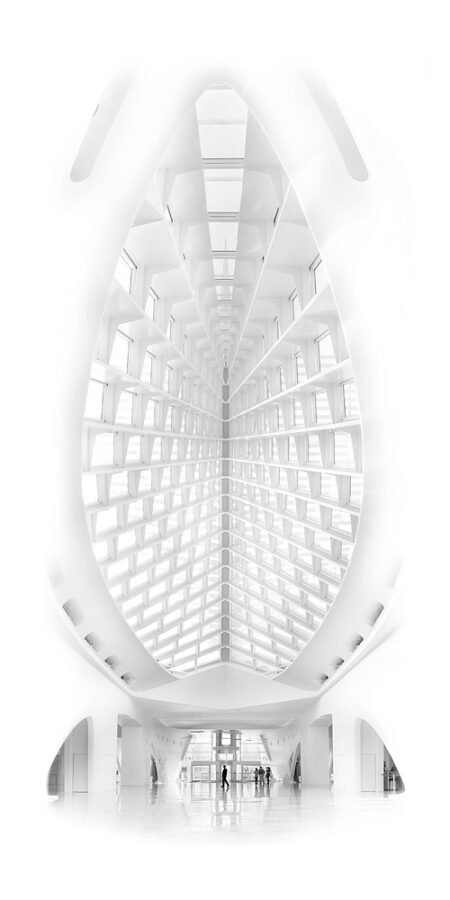
- Vertical Panoramas: Capture towering structures or waterfalls for dynamic, upward-focused visuals.
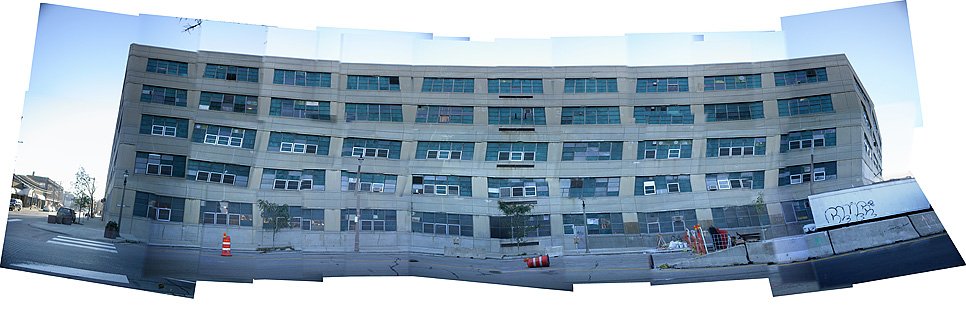
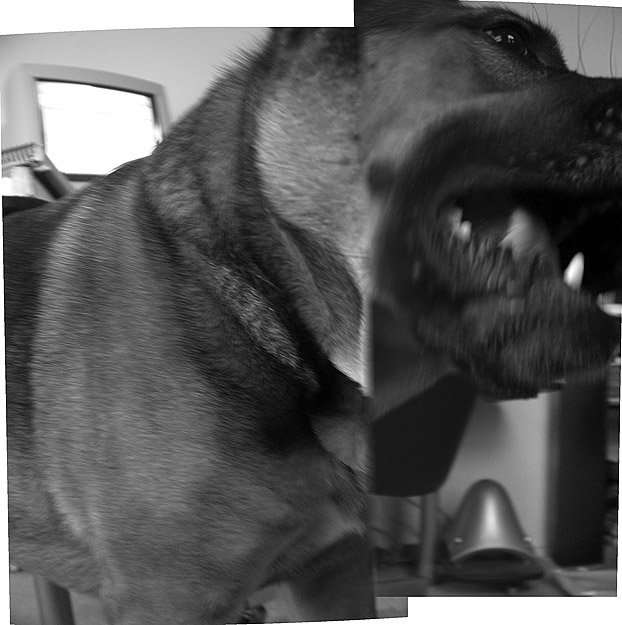
- Fragmented Panography: Embrace imperfections for an artistic, collage-like effect.
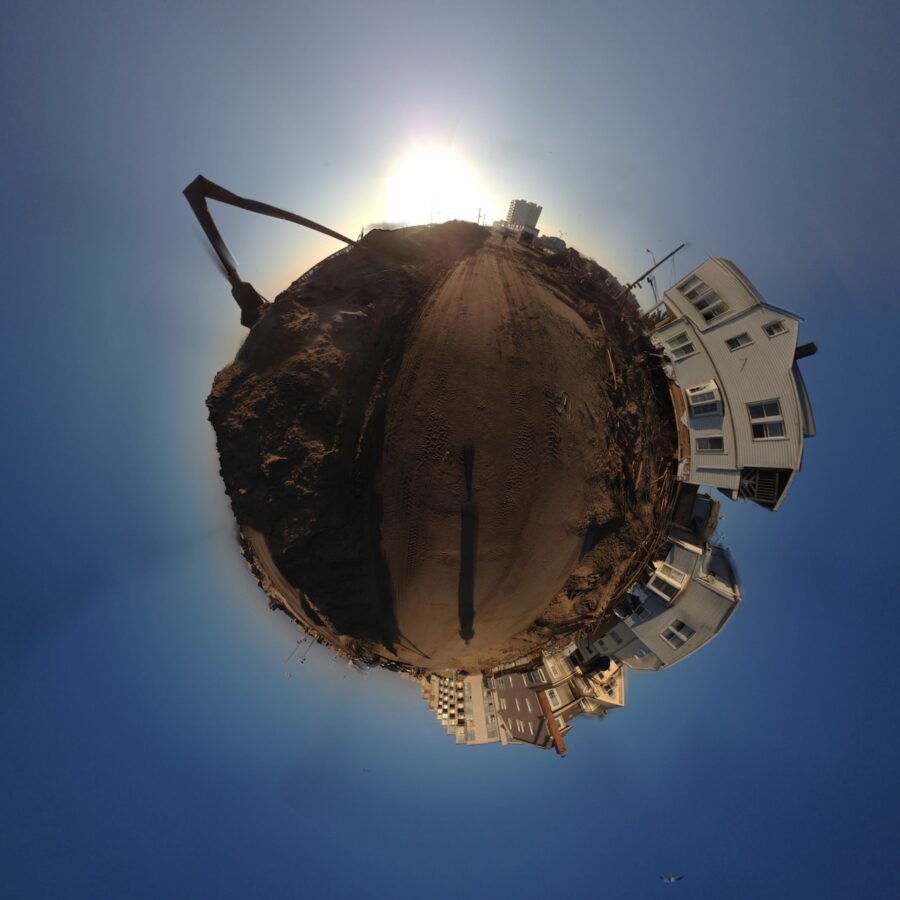
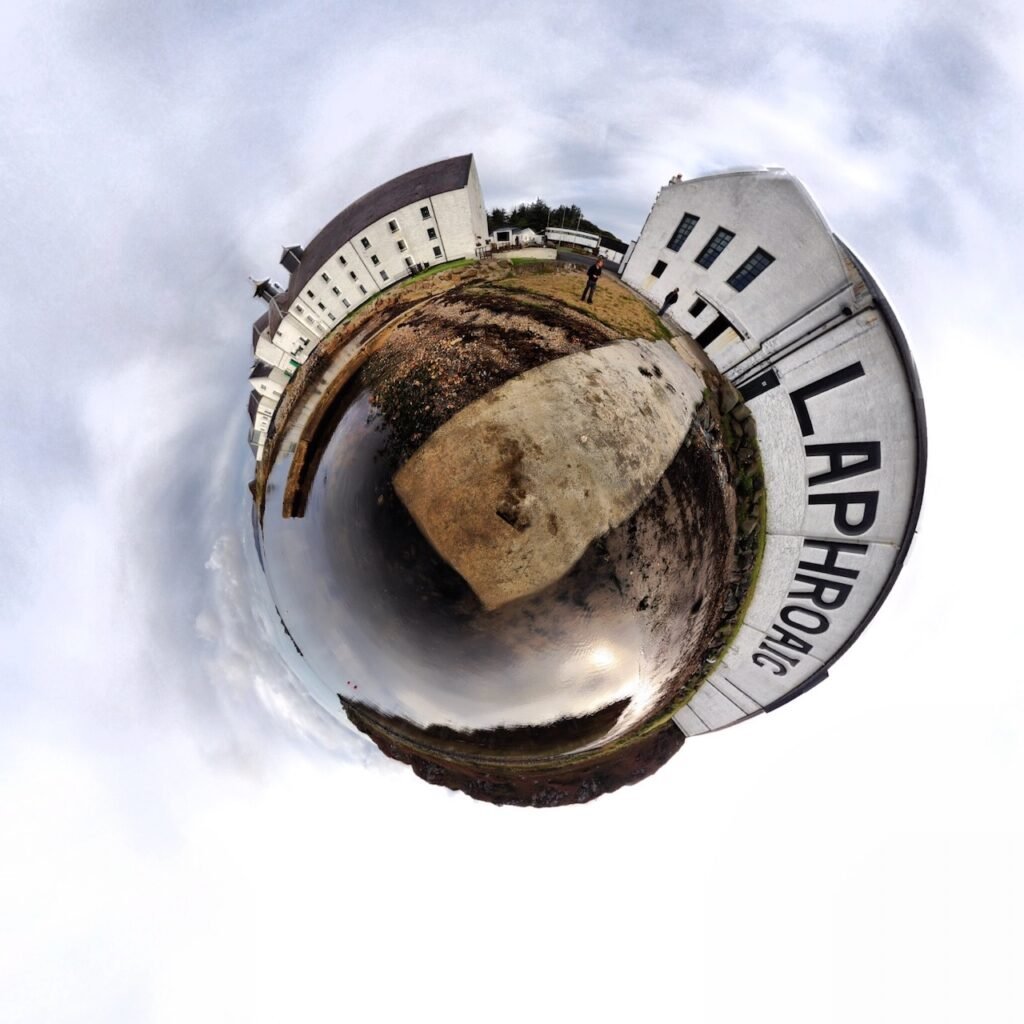
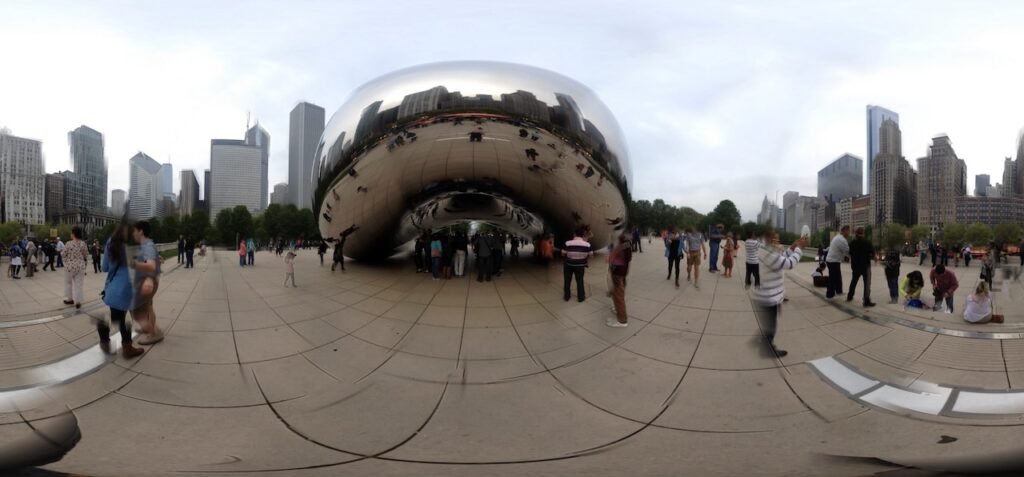
- Spherical Panoramas: Experiment with 360-degree shots to immerse viewers in your scene.
Whether you are stitching together a bustling city square or the quiet transition of light across a desert floor, your panographs become an immersive record of a location’s unique atmosphere and scale.
Incorporating New Perspectives
Panography encourages photographers to explore different vantage points, such as aerial views captured with drones or ground-level shots that highlight unique textures. These unusual angles can spark Panography Inspiration for your next project.
The Role of Equipment in Panography
The equipment you use significantly impacts your panographic results. Advanced cameras, drones, specialized lenses, and editing software all contribute to the quality of your panoramic images.
Choosing the Right Tools for Panography
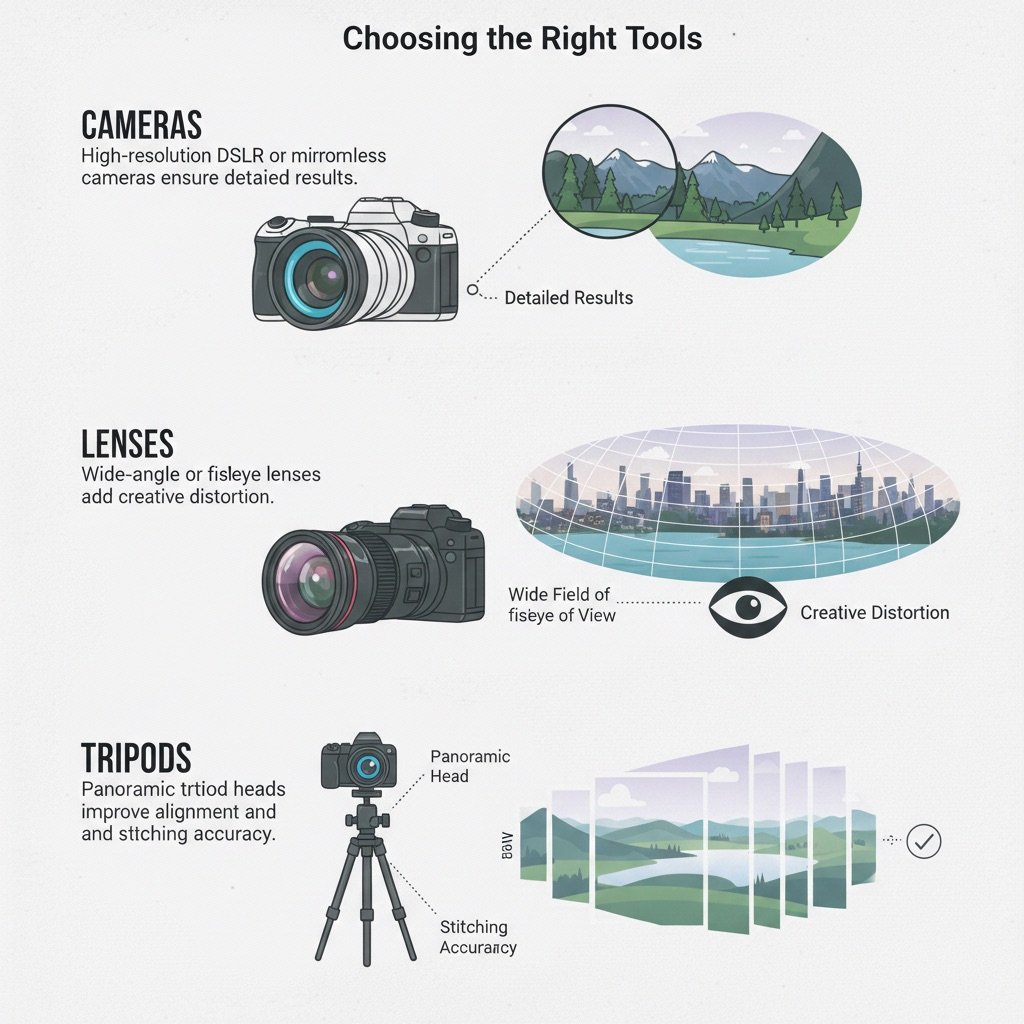
- Cameras: High-resolution DSLR or mirrorless cameras ensure detailed results.
- Lenses: Wide-angle or fisheye lenses add creative distortion to your panoramas.
- Tripods: Panoramic tripod heads improve alignment and stitching accuracy.
Leveraging Technology
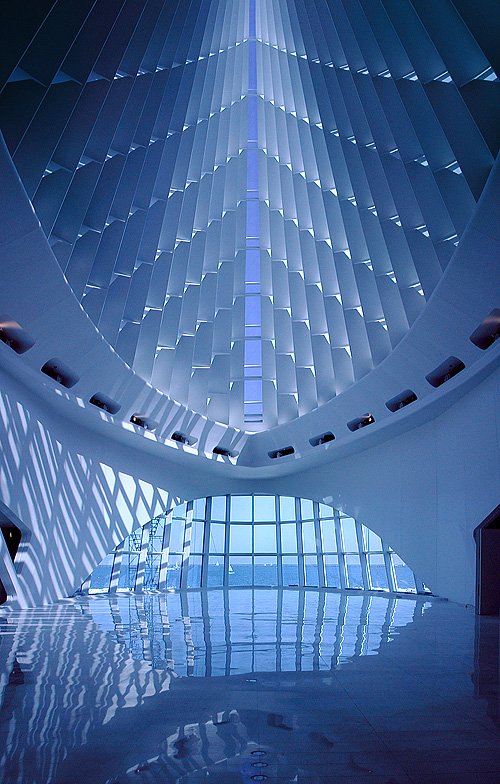
Modern tools, such as drones equipped with panoramic modes, provide access to angles and scenes that were once impossible to capture. Editing software like Adobe Lightroom or PTGui enables seamless stitching and post-processing.
Mastering Panographic Techniques
Learning the Basics
If you’re new to panography, start with simple setups like horizontal panoramas. Overlap each image by at least 30% and maintain consistent exposure to ensure smooth stitching.
Advanced Techniques for Professionals
- Multi-Row Panography: Combine multiple rows of images for highly detailed, large-scale compositions.
- Time-Lapse Panoramas: Introduce movement to your panoramas by combining timelapse techniques with wide-angle shots.
- HDR Panography: Merge images taken at different exposure levels to create high-dynamic-range panoramas.
Panography as a Storytelling Medium
Expanding Your Visual Narratives
Panographs excel at capturing the scale and context of a scene, making them perfect for storytelling. Whether documenting a bustling city or a serene landscape, the wide format allows for greater depth and emotion in your photography.
Popular Applications of Panography
- Landscape Photography: Showcase sweeping natural vistas in breathtaking detail.
- Architecture: Capture the grandeur of buildings and cityscapes.
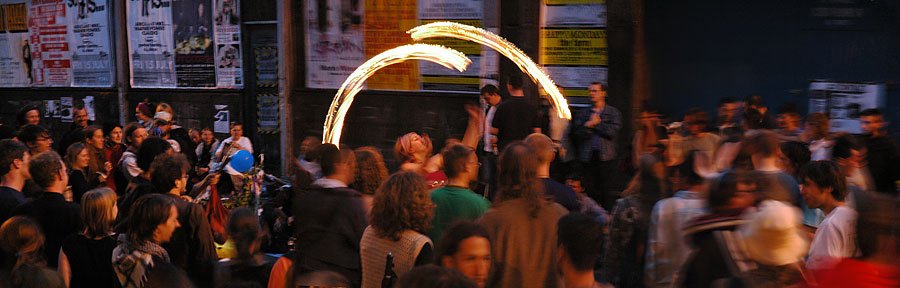
- Events: Document the scale and energy of festivals, concerts, and celebrations.
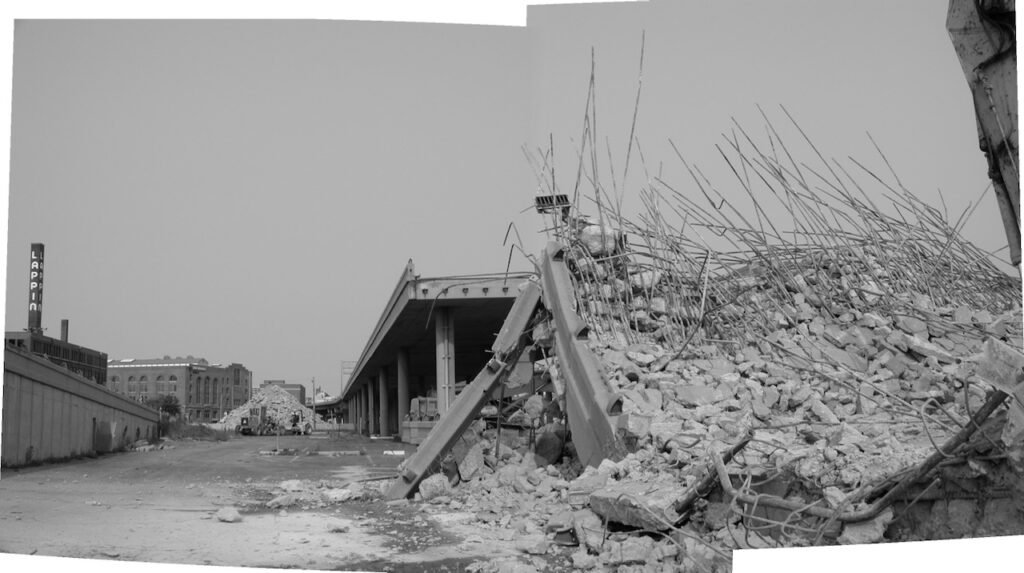
Finding Panography Inspiration
Explore New Locations
Traveling to picturesque locations can provide the perfect backdrop for panoramic photography. Beaches, mountains, urban skylines, and historical landmarks are all great sources of inspiration.
Draw from Online Communities
Join photography forums or social media groups dedicated to panography. Platforms like Instagram, Flickr, and Behance are rich with creative examples that can spark ideas for your own projects.
Experiment and Innovate
Don’t be afraid to push the boundaries of traditional panoramic photography. Try combining multiple techniques, such as drone-assisted panography or abstract panographs, to create truly unique images.

Panography and Personal Growth
Refining Your Skills
Practicing panography hones your technical and creative abilities. From mastering manual camera settings to learning advanced post-processing techniques, the process of creating panoramas encourages growth as a photographer.
Discovering Your Style
Exploring new techniques in panography helps you discover your unique artistic voice. By experimenting with different compositions, perspectives, and themes, you’ll gain a deeper understanding of your preferences and strengths.

 Panography.org | PANORAMA HISTORY & ORIGINS
A Glimpse into History | View from the Top of Lookout Mountain, Tennessee, February 1864
Witness the rugged terrain of 1864 Tennessee through a historic lens. This wide-format artifact offers a silent, powerful connection to the Civil War era.
Conclusion
Panography is more than a technique—it’s a way to expand your horizons as a photographer. By embracing panoramic photography, you’ll gain fresh perspectives, develop your skills, and create images that inspire awe and tell richer stories. Whether you’re capturing sweeping landscapes, exploring abstract compositions, or documenting significant events.
credit: JASONJPOGODZINSKI