Table of Contents
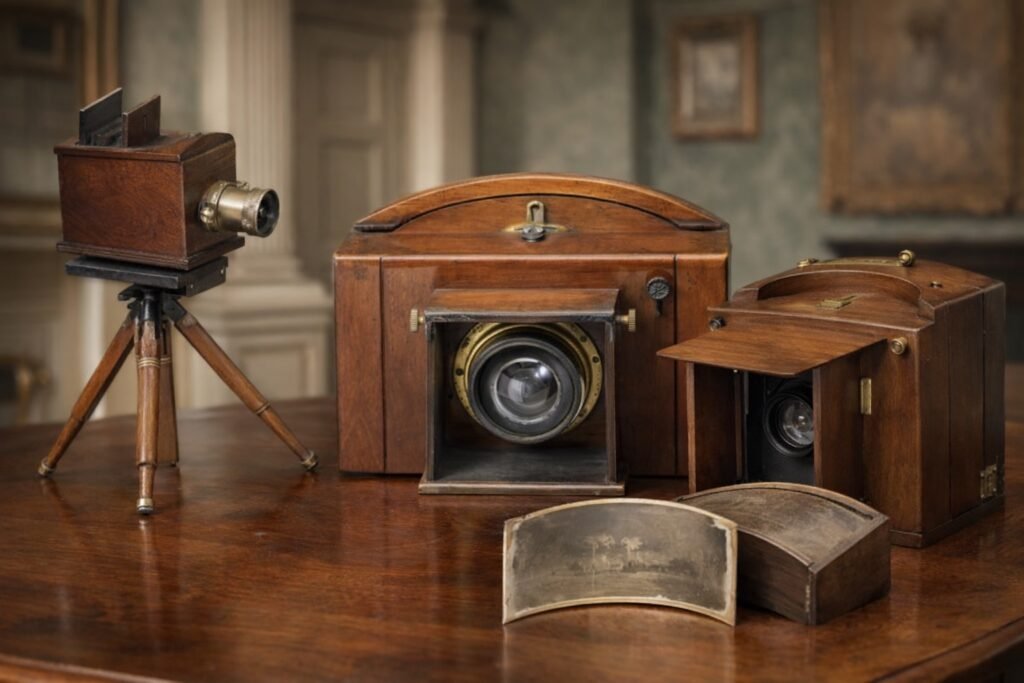
Panoramic photography has always felt like a way of widening the human heartbeat — a method of stretching our field of view until the world reveals its deeper rhythms. Long before digital stitching, drone sweeps, or ultra‑wide lenses, early inventors were already wrestling with the same impulse: to see more than the frame allowed. The story of the first panoramic cameras is not just a tale of mechanical ingenuity; it’s a story of how artists and engineers learned to bend space, time, and technology to match the way the human eye wanders across a horizon.
The Impulse to See Wider: Why Panoramic Photography Emerged
Every panoramic photographer knows the feeling: standing before a vast landscape or an unfolding city and realizing that a single frame cannot contain the experience. The earliest inventors felt this same tension. As photography matured in the mid‑1800s, artists and engineers began searching for ways to overcome the limitations of fixed‑frame cameras.
- Landscapes demanded more breathing room
- Expanding cities required broader documentation
- Travelers wanted to bring home the fullness of a place
- Scientists and surveyors needed accurate wide‑angle records
The panoramic camera emerged from this creative pressure — a desire to match the camera’s vision to the natural sweep of human sight.
Joseph Puchberger: The First Mechanical Panoramic Camera
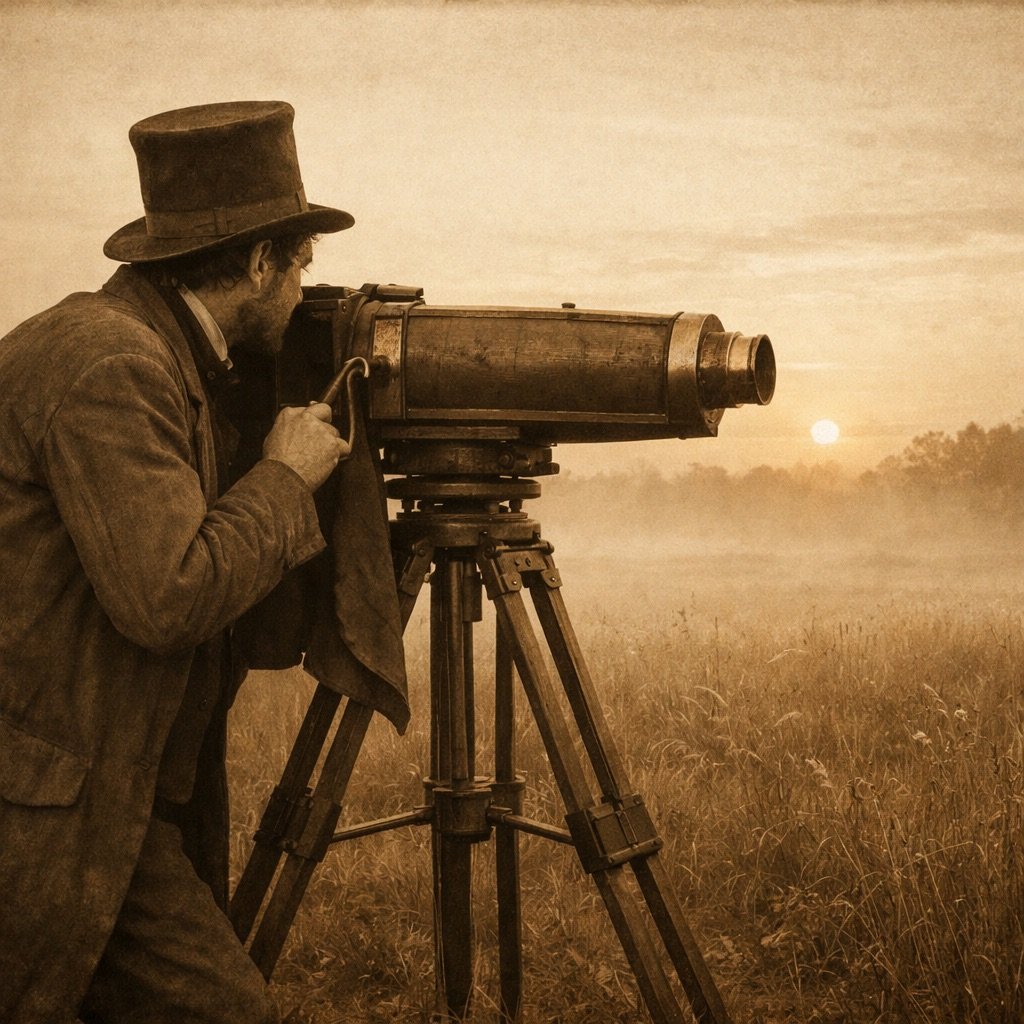
In 1843, Austrian instrument maker Joseph Puchberger patented what is widely considered the first mechanical panoramic camera. His design was simple but revolutionary: a camera that rotated on its axis to expose a long strip of photosensitive material.
What Made Puchberger’s Camera Revolutionary
- Rotating body: Instead of moving the film, the entire camera swung horizontally.
- Wide exposures: It could capture up to 150° — astonishing for its time.
- Mechanical precision: A hand‑crank controlled the rotation speed, allowing for relatively even exposure.
- Panoramic format: Long, sweeping images that mirrored the natural arc of human vision.
Puchberger’s invention wasn’t just a technical achievement; it was a philosophical one. It suggested that photography could be more than a window — it could be a horizon.
How Puchberger Changed the Way We See
Standing behind a rotating camera forces you to think differently. You’re not capturing a moment; you’re capturing a movement. The exposure becomes a journey from left to right, a slow unveiling of place. Even today, when I shoot panoramas, I feel that same sense of motion — as if the landscape is unfolding in real time.
Thomas Sutton: The Curved Lens That Changed Everything
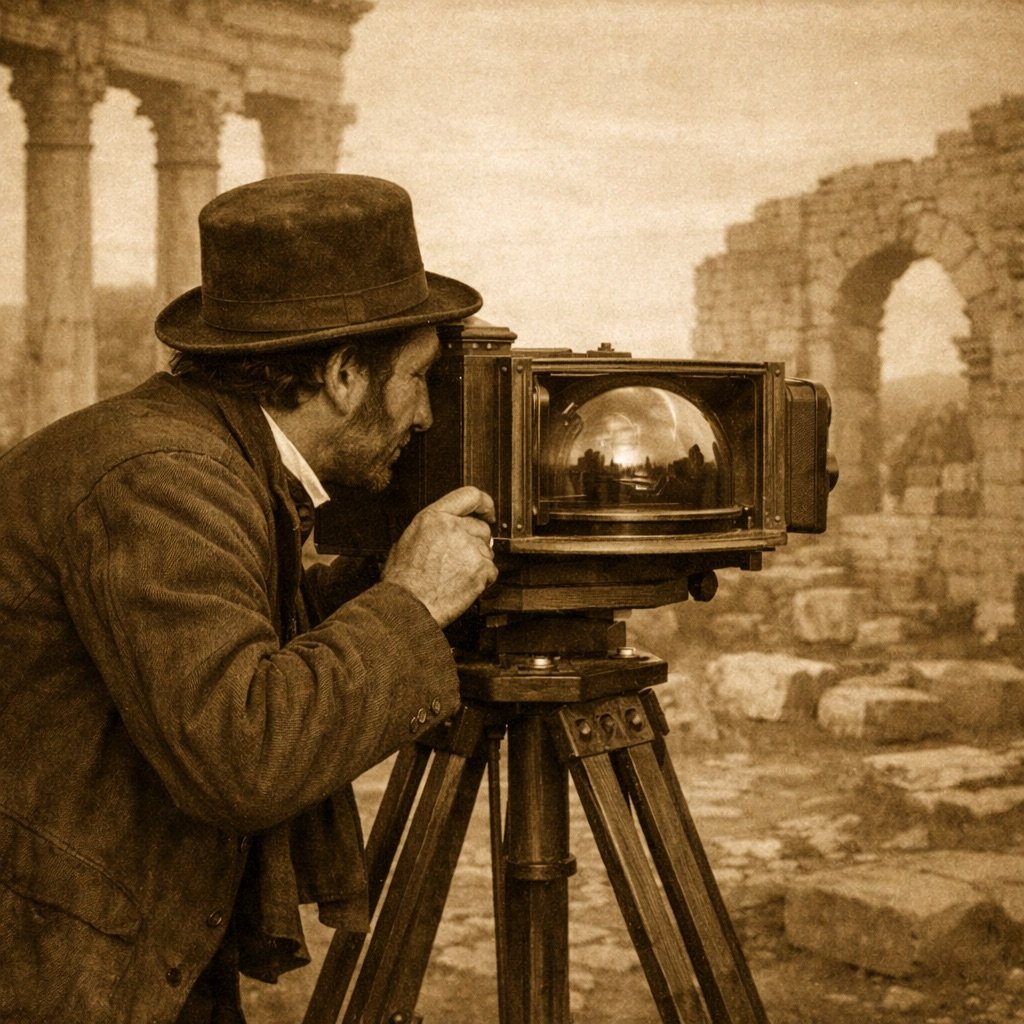
In 1859, British photographer Thomas Sutton introduced a new kind of panoramic camera — one that used a curved glass lens and curved film plane to capture a seamless 120° field of view. Sutton’s design was elegant, optical, and far ahead of its time.
Sutton’s Optical Breakthroughs
- Curved lens: Allowed light to bend naturally across a wide angle.
- Curved plate: Prevented distortion and maintained sharpness across the frame.
- Single exposure: Unlike rotating cameras, Sutton’s design captured the panorama in one shot.
- Immersive field of view: Perfect for landscapes, architecture, and scientific documentation.
Sutton’s camera was famously used by the British government for military and topographical surveys — early proof that panoramic photography wasn’t just artistic; it was practical, precise, and essential.
Why Sutton’s Camera Still Feels Modern
Sutton’s curved‑lens philosophy echoes through today’s ultra‑wide lenses and VR imaging. His belief that optics should mimic the natural curvature of human sight remains a guiding principle in panoramic design.
When I photograph a sweeping coastline or a mountain range, I often think of Sutton’s curved glass — a reminder that panoramic photography is as much about feeling the shape of a place as it is about recording it.
The Mechanical Revolution: How Technology Expanded the Horizon
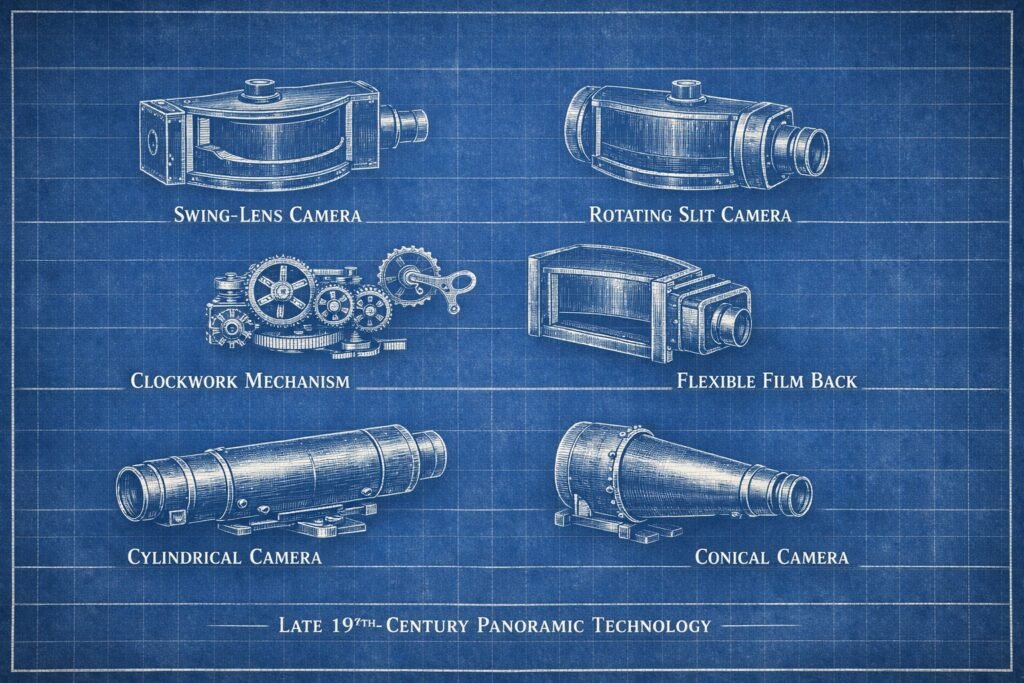
By the late 19th century, panoramic cameras were evolving rapidly. Inventors experimented with:
- Swing‑lens cameras
- Rotating slit shutters
- Clockwork mechanisms
- Flexible film backs
- Cylindrical and conical designs
These innovations made panoramic photography more accessible, more reliable, and more expressive.
Why Mechanical Panoramic Cameras Mattered
They allowed photographers to:
- Capture cityscapes with architectural accuracy
- Document expeditions and frontier landscapes
- Create immersive travel photography
- Produce wide‑format artistic compositions
- Record cultural and environmental change
The mechanical revolution didn’t just expand the frame — it expanded the photographer’s imagination.
Panoramic Seeing: How Early Cameras Shaped Creative Vision
As a panoramic photographer, I often feel that the format teaches you how to see. You start noticing:
- The way a coastline curves
- How a skyline breathes
- How mountains stack in layers
- How light travels across distance
- How culture expresses itself in space
The early panoramic cameras forced photographers to think in arcs, sweeps, and sequences. They encouraged a deeper engagement with place — a slower, more attentive way of observing the world.
Panography as a Creative Language
Panography isn’t just a technique; it’s a worldview. It’s about:
- Immersion
- Context
- Atmosphere
- Spatial storytelling
- Environmental awareness
The first panoramic cameras gave artists a new vocabulary — one that continues to shape how we document landscapes, cities, and cultural environments today.
Frequently Asked Questions
What was the first true panoramic camera?
Joseph Puchberger’s 1843 rotating camera is considered the first mechanical panoramic camera, capable of capturing extremely wide views on a single strip of photosensitive material.
How did Sutton’s panoramic camera differ from Puchberger’s?
Sutton used a curved lens and curved film plane to capture a wide scene in a single exposure, while Puchberger relied on a rotating body to sweep across the landscape.
Why were early panoramic cameras important?
They allowed photographers to document large environments — from cities to coastlines — with accuracy and immersion that traditional cameras couldn’t achieve.
Did early panoramic cameras influence modern photography?
Yes. Their optical and mechanical innovations laid the foundation for modern wide‑angle lenses, swing‑lens cameras, and digital panoramic stitching.
What makes panoramic photography creatively unique?
It captures not just a scene but a sense of place — the atmosphere, scale, and spatial relationships that define a landscape or cityscape.



Final Thoughts
The story of Puchberger, Sutton, and the mechanical revolution is ultimately a story about vision — the human desire to see wider, deeper, and more completely. Panoramic photography has always been more than a format; it’s a way of experiencing the world.
Their cameras didn’t just expand the frame.
They expanded the way we understand place, culture, and environment.
And every time we lift a panoramic camera — whether mechanical, digital, or stitched from multiple frames — we continue their legacy of widening the world.