
Table of Contents
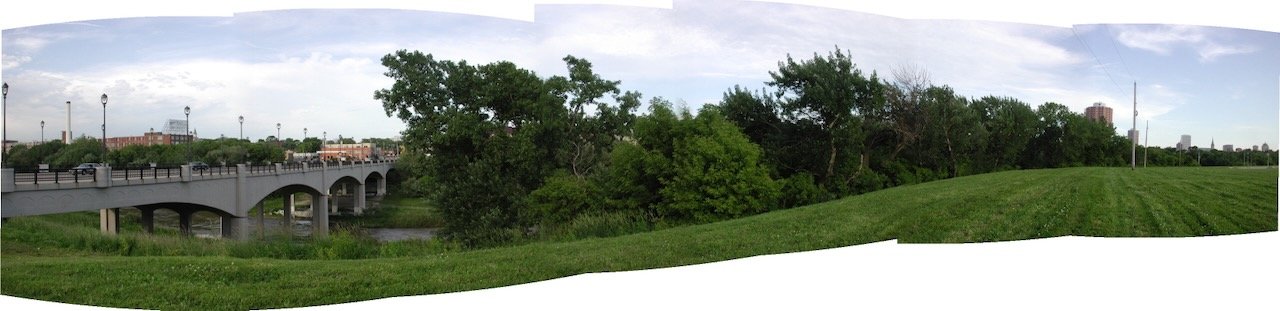
We often overlook the geometry of our daily surroundings because we see them in fragments. However, panography allows us to re-examine the familiar through a wide-format lens, turning a local park or a historic main street into a grand composition. Finding ‘hometown’ inspiration isn’t about looking for new places; it’s about looking at familiar scale and perspective in a way that a standard 4:3 frame cannot capture. Here is how to identify the panoramic potential in the quiet corners of your own community.

credit: JASONJPOGODZINSKI
Why Your Hometown is Perfect for Panography
Panography, the art of creating panoramic images, allows you to tell a story about your surroundings through wide-angle compositions. Your hometown offers diverse scenes to explore—landmarks, nature trails, bustling streets—all waiting to be captured with the sweeping perspective of panography.
What Makes Your Hometown Unique for Panography
- Familiarity: Knowing the area helps you find overlooked spots that others might miss.
- Personal Connection: Photographing your hometown allows you to capture its essence from your perspective.
- Variety: Hometowns often offer a mix of urban and rural settings, providing a wealth of photographic opportunities.
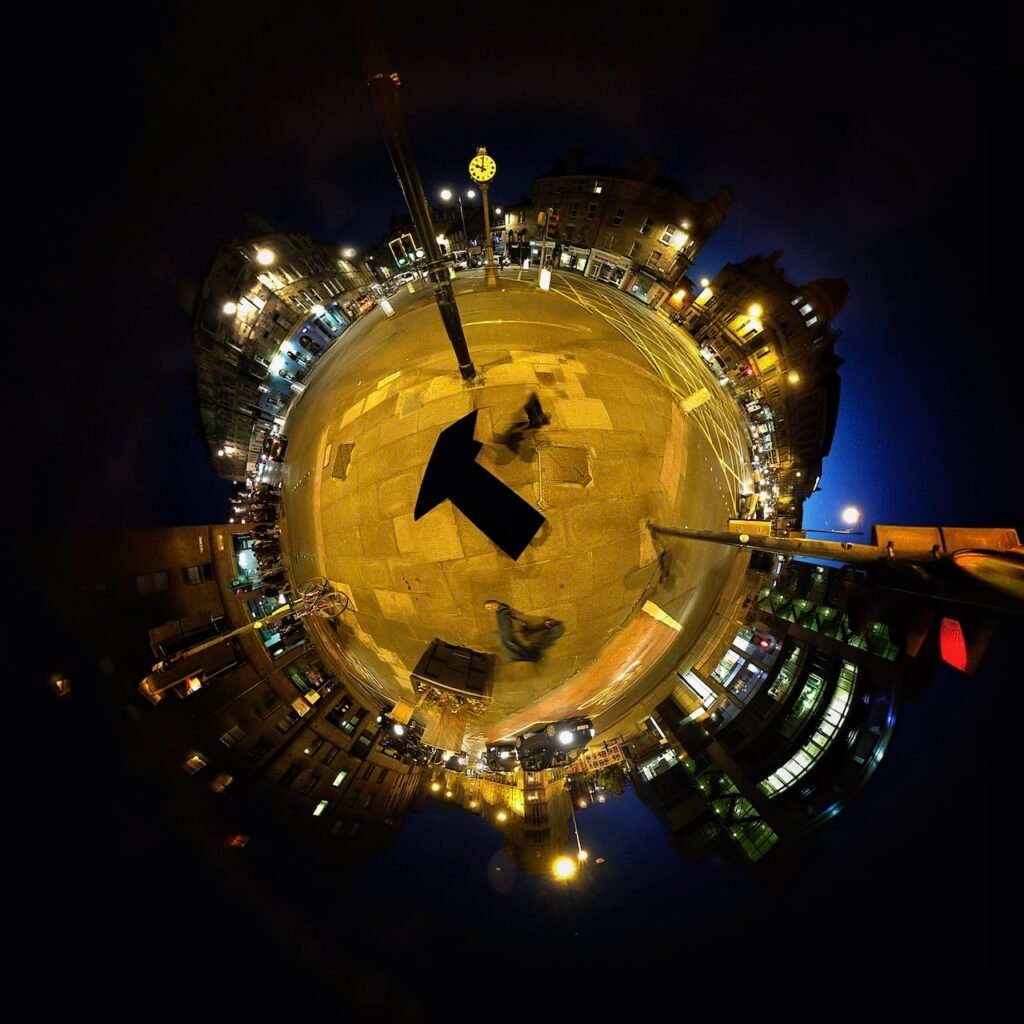
Exploring Natural Wonders
Local Parks and Trails



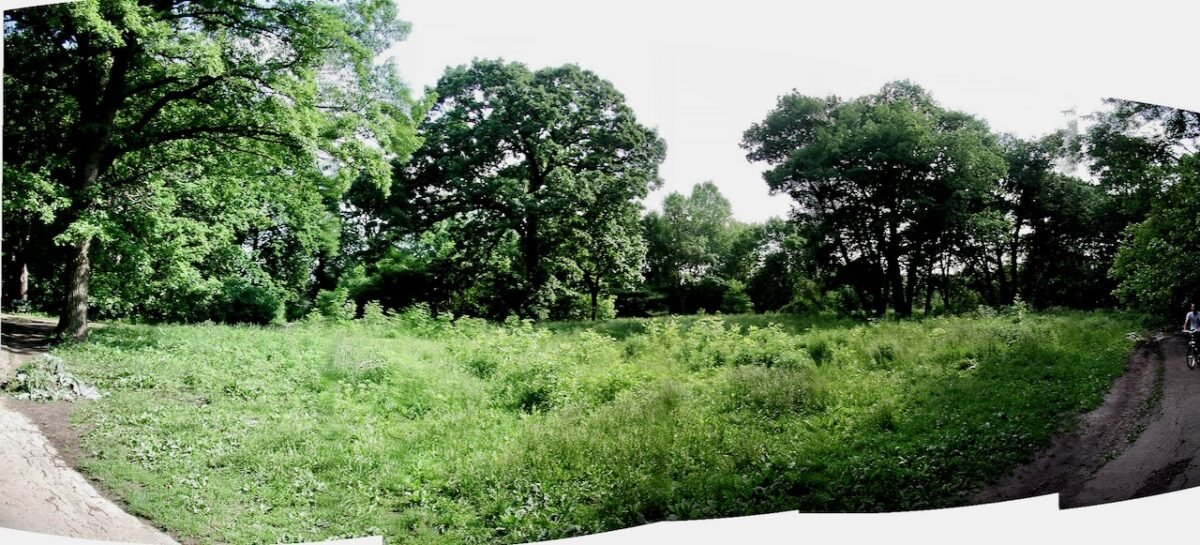
Your local parks and hiking trails are perfect for capturing breathtaking landscapes. From forests to open fields, these locations offer rich textures and vibrant colors that can enhance your panoramas.
Tips for Capturing Parks and Trails
- Shoot during golden hour to achieve warm tones and dramatic lighting.
- Use foreground elements, such as trees or rocks, to add depth to your composition.
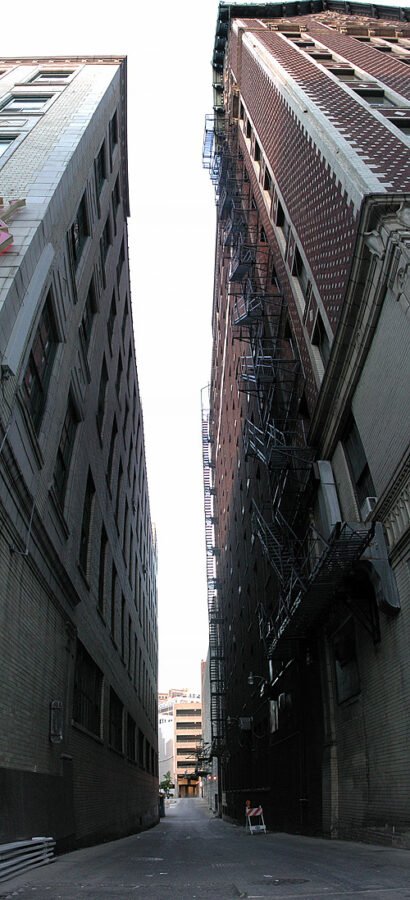
- Experiment with vertical panoramas to emphasize towering trees or cliffs.
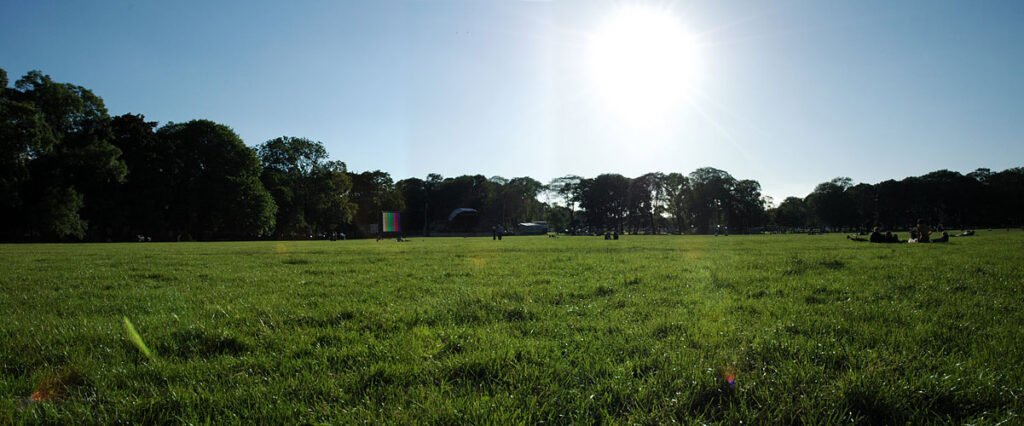
Rivers and Lakes
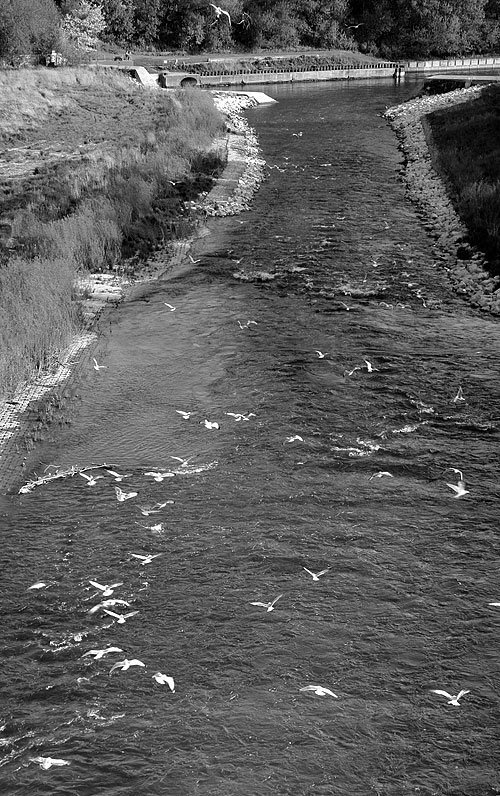
Bodies of water are fantastic for panoramic photography. The reflective surface of a lake or the winding path of a river can create stunning compositions that showcase the natural beauty of your hometown.
Creative Ideas
- Capture reflections of the sky or surrounding landscape on the water.
- Include nearby vegetation or wildlife to add life to your panoramas.
Hills and Overlooks
High vantage points, such as hills or designated overlooks, are ideal for capturing wide, sweeping views of your hometown and beyond. They provide a sense of scale and grandeur in your panographs.
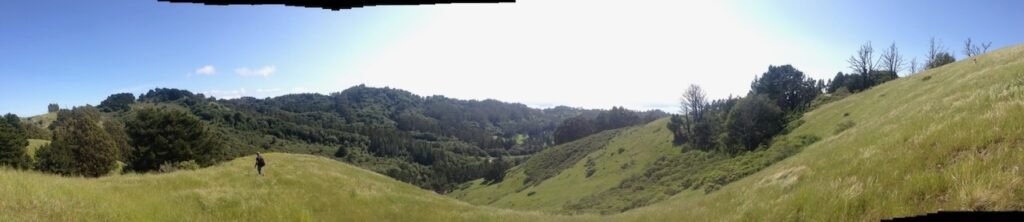
Urban Panography Inspiration
City Skylines
If your hometown has a skyline, it’s a great place to start. Panoramas of cityscapes are always captivating, especially during sunrise or sunset when the light adds drama to the scene.
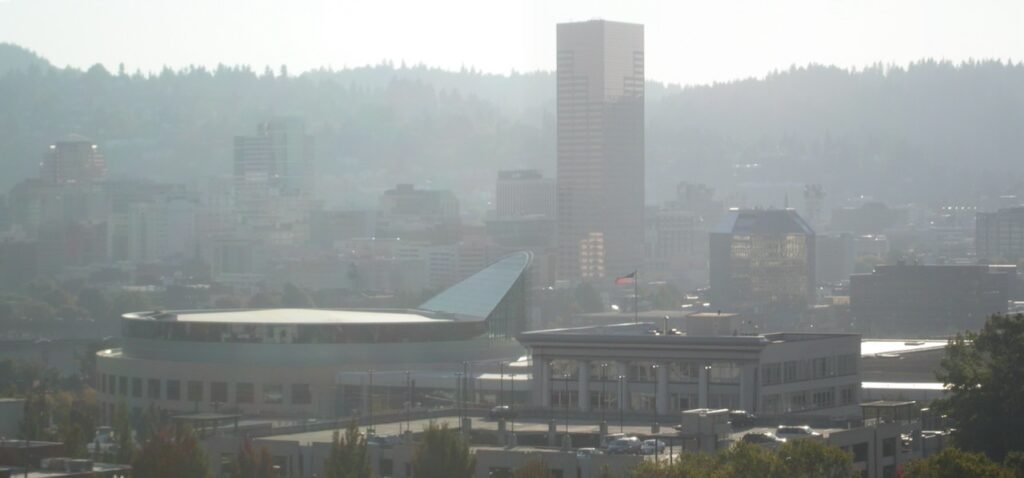
Historic Districts and Streets
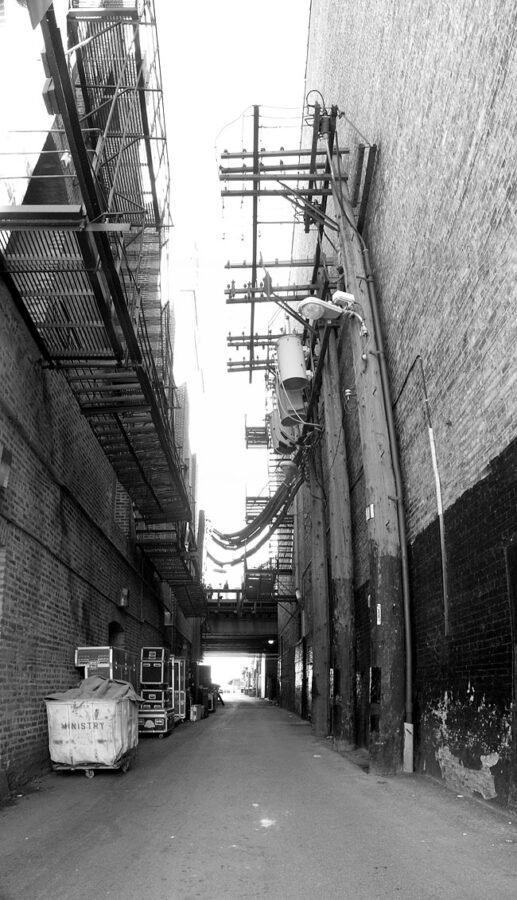
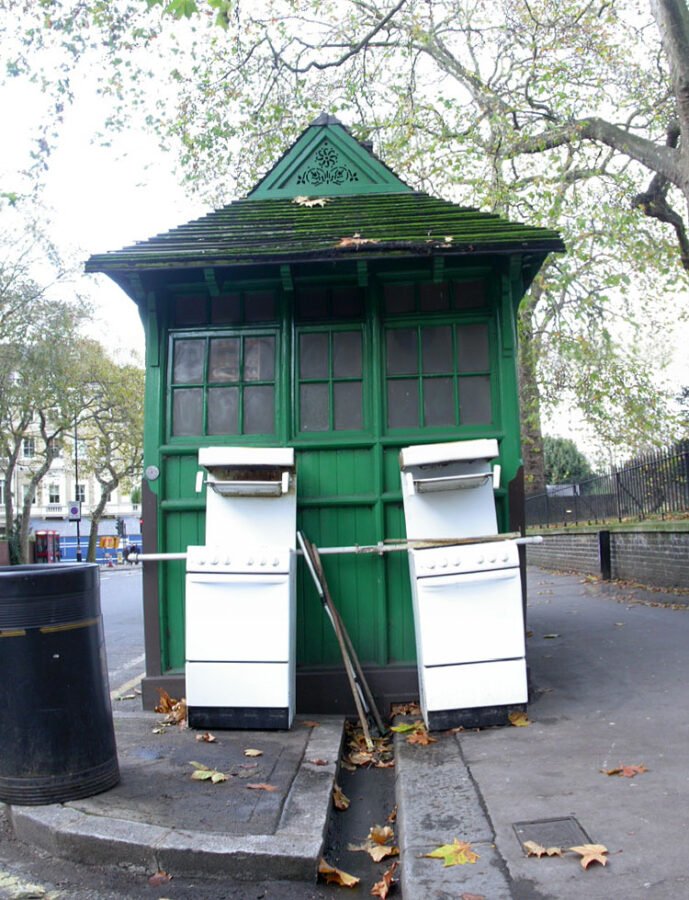
Many towns have historic districts or charming main streets filled with character. Capture the unique architecture, street art, or bustling energy of these areas through panography.
Tips for Street Panography
- Use a tripod for precision while stitching multiple images.
- Focus on consistent lighting across frames to ensure smooth blending.
Public Squares and Landmarks
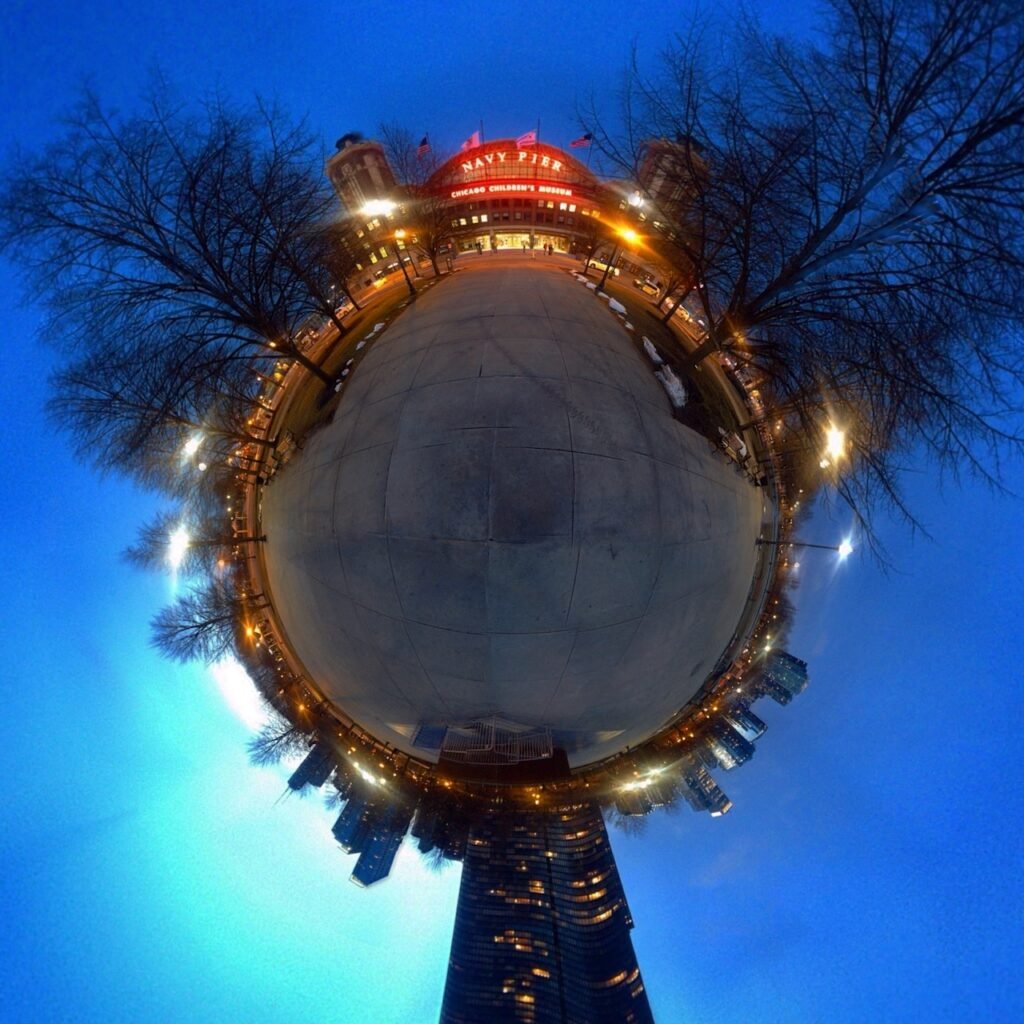
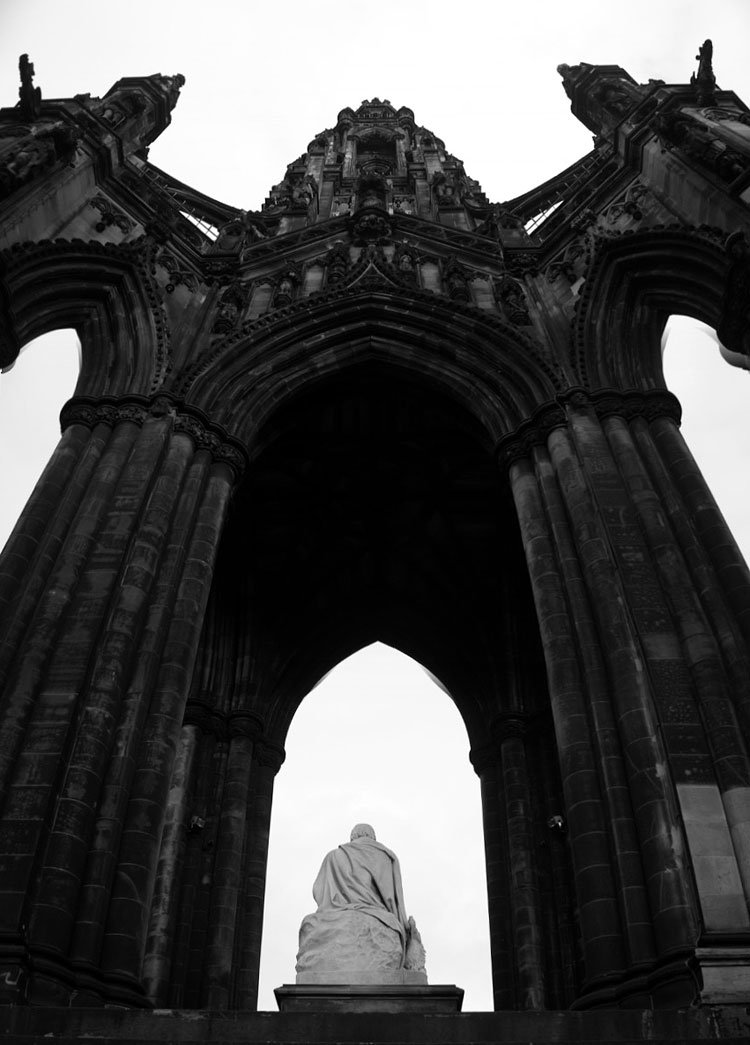
Public landmarks, statues, and squares often form the heart of a town. These locations can provide striking compositions, especially during festivals or events that fill the area with life and energy.
Hidden Gems in Everyday Places
Abandoned Buildings
Abandoned or forgotten locations can yield fascinating abstract panographs. The textures of peeling paint, broken windows, and overgrown vegetation make for visually rich compositions.
Safety First
Always ensure you have permission to enter and that the location is safe to explore.
Farms and Countryside
The outskirts of many towns feature farms, fields, or rolling countryside. These locations offer serene panoramas filled with natural textures and earthy tones, perfect for landscape photography.
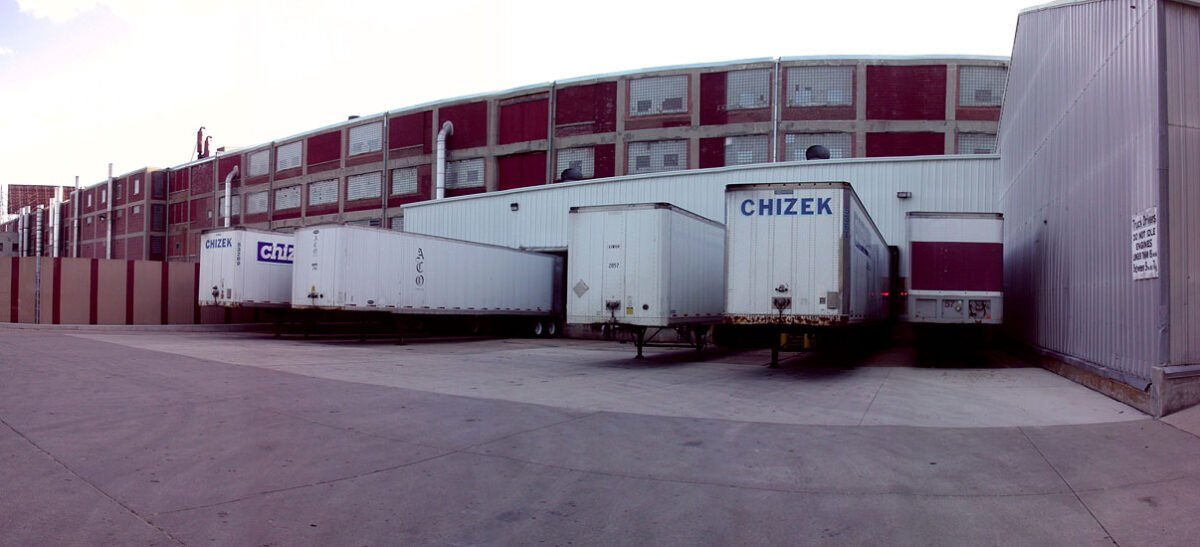
Industrial Areas
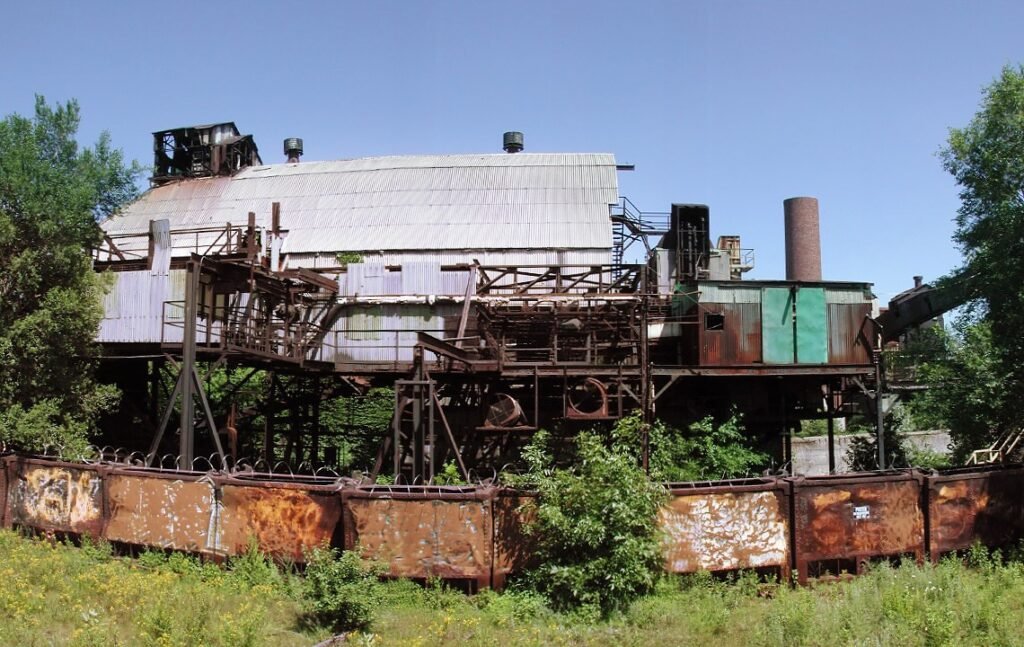
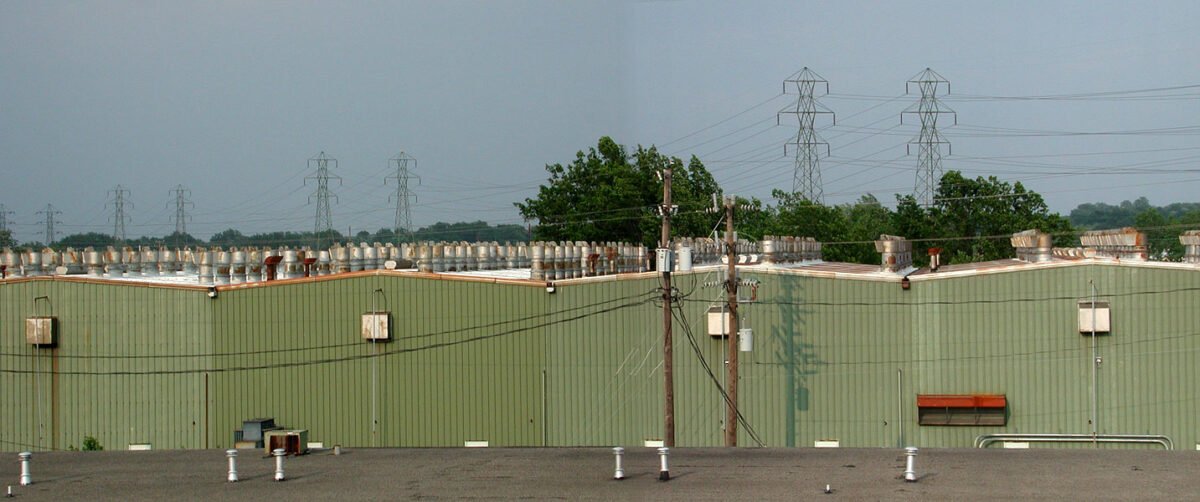
Industrial zones with factories, railroads, and machinery provide opportunities for unique and gritty panoramic compositions. Use these locations to capture the contrast between man-made structures and their surrounding environment.
Seasonal Panography Opportunities
Fall Foliage
Autumn transforms parks and forests into vibrant displays of red, orange, and yellow. Capture these fleeting moments to add rich, warm tones to your panoramas.
Winter Wonderland
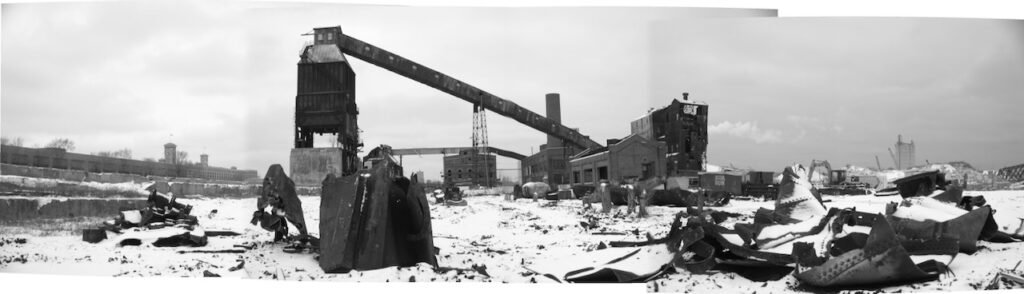
Snow-covered landscapes offer clean, minimalist compositions that are ideal for panography. Look for ice-covered rivers or frosty trees to add texture and contrast.

Spring and Summer
In spring, blooming flowers and lush greenery fill every frame with life. In summer, use the bright, golden sunlight to create striking high-contrast panoramas of your town’s favorite outdoor spots.
Creative Techniques to Elevate Hometown Panography
HDR Panography
Capture images at multiple exposure levels to create high-dynamic-range panoramas. This technique is ideal for locations with challenging lighting, such as scenes with both bright skies and shaded areas.
Drone-Assisted Panography
Using a drone allows you to capture aerial views of your hometown, offering fresh perspectives. Aerial panographs are perfect for showcasing the layout of urban areas or the beauty of vast natural landscapes.

Abstract and Fragmented Panography
Experiment with unconventional techniques, such as fragmented or abstract panoramas, to present familiar locations in new and intriguing ways.
Sharing Your Hometown Panoramic Shots
Connect with Local Communities
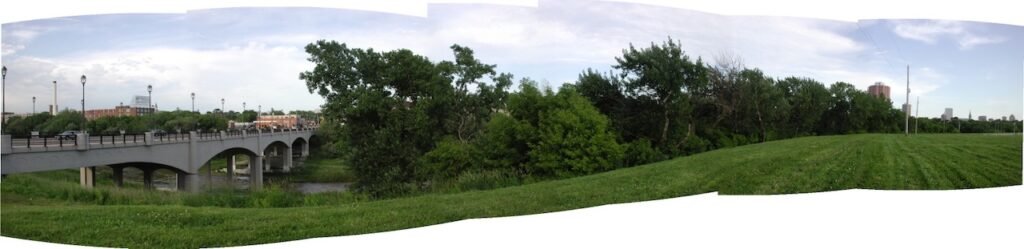
Join photography groups in your area to share your work and discover new locations. Networking with other photographers can lead to collaborative projects and inspiration.
Showcase Online
Platforms like Instagram and Flickr are excellent for sharing your hometown panographs. Use relevant hashtags, such as #PanographyInspiration or #HometownPhotography, to reach a wider audience.



Create a Visual Story
Compile your best panographs into a visual story, whether it’s a photo book, blog series, or exhibit. Telling a story about your hometown through panography is a fulfilling way to connect with others and celebrate your community.
 Panography.org | PANORAMA HISTORY & ORIGINS
Early Panoramic Film Formats: How Wide‑Format Negatives Shaped the Art of Seeing
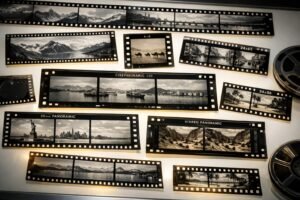
Trace the chemical evolution of the wide-angle view. Learn about the large-scale negatives and film stocks that first challenged the limits of the frame.
Keeping a Sketch Journal Alongside Your Panography Sessions
Bringing a small sketch journal with you during your photography outings adds a layer of creative awareness that complements your panoramic work. Sketching slows you down just enough to notice shapes, rhythms, and spatial relationships that might otherwise slip past when you’re focused solely on the camera. Even quick, loose drawings help you understand how a scene flows from left to right, how foreground elements anchor a composition, or how light moves across a landscape or street.


A sketch journal also becomes a record of your creative process — a place to map out potential pano sequences, note interesting vantage points, or capture textures and patterns you want to revisit later. Over time, these sketches form a visual archive of your hometown explorations, deepening your connection to the places you photograph and sharpening your panoramic intuition.


Conclusion
The beauty of panography lies in its ability to transform familiar places into extraordinary works of art. By exploring your hometown with a fresh perspective, you’ll uncover hidden gems and create panoramic compositions that tell a unique story. Whether you’re capturing sprawling landscapes, vibrant streets, or quiet corners, let your hometown be the spark for your inspiration for panography. With creativity and technique, the possibilities are endless, and the journey is just as rewarding as the results.
credit: JASONJPOGODZINSKI