
Table of Contents
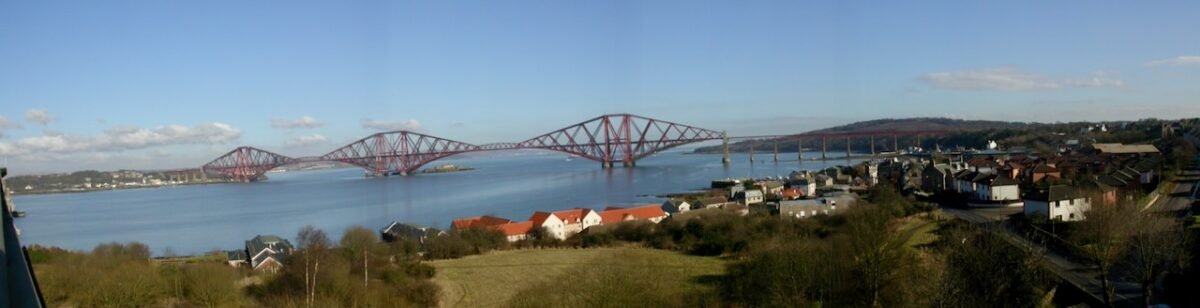
Bridges, waterfronts, and riverwalks have always been natural stages for panoramic seeing. These linear spaces stretch across the landscape with a rhythm that invites the eye to wander — following the curve of a shoreline, the sweep of a river, or the engineered grace of a bridge suspended above moving water. When approached through panography, these environments become immersive visual narratives, offering traveling artists and panoramic photographers a chance to capture place, culture, and atmosphere in wide‑format compositions that feel both expansive and intimate.
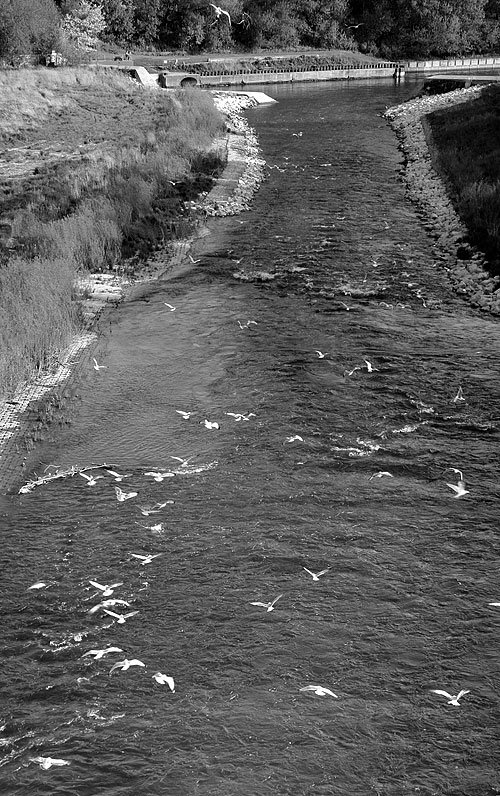
credit: JASONJPOGODZINSKI
This post explores why these spaces are uniquely suited for panoramic photography, how their geometry and cultural presence shape creative expression, and how artists can use them as living studios for sketching, observing, and crafting panoramic stories.
Why Linear Spaces Are Ideal for Panography
Bridges, waterfronts, and riverwalks share a defining characteristic: directional flow. They guide movement — of people, water, light, and history — and this sense of motion translates beautifully into panoramic compositions.
The Geometry of Lines and Horizons
Linear spaces naturally create strong leading lines, whether it’s the edge of a riverbank, the railing of a bridge, or the curve of a boardwalk. These lines anchor panoramic images, giving them structure and visual momentum.
Expansive Sightlines
Waterfronts and bridges often offer unobstructed views of skylines, harbors, and open landscapes. These wide horizons are perfect for capturing sweeping panoramas that reveal the scale and character of a place.
Cultural and Environmental Layers
Riverwalks and waterfronts are often cultural corridors — places where architecture, public art, markets, and daily life converge. Panography allows you to weave these elements into a single, cohesive visual story.
Atmospheric Light
Water reflects light in ways that amplify mood and color. Sunrises, sunsets, fog, and night reflections all create atmospheric conditions ideal for panoramic photography.
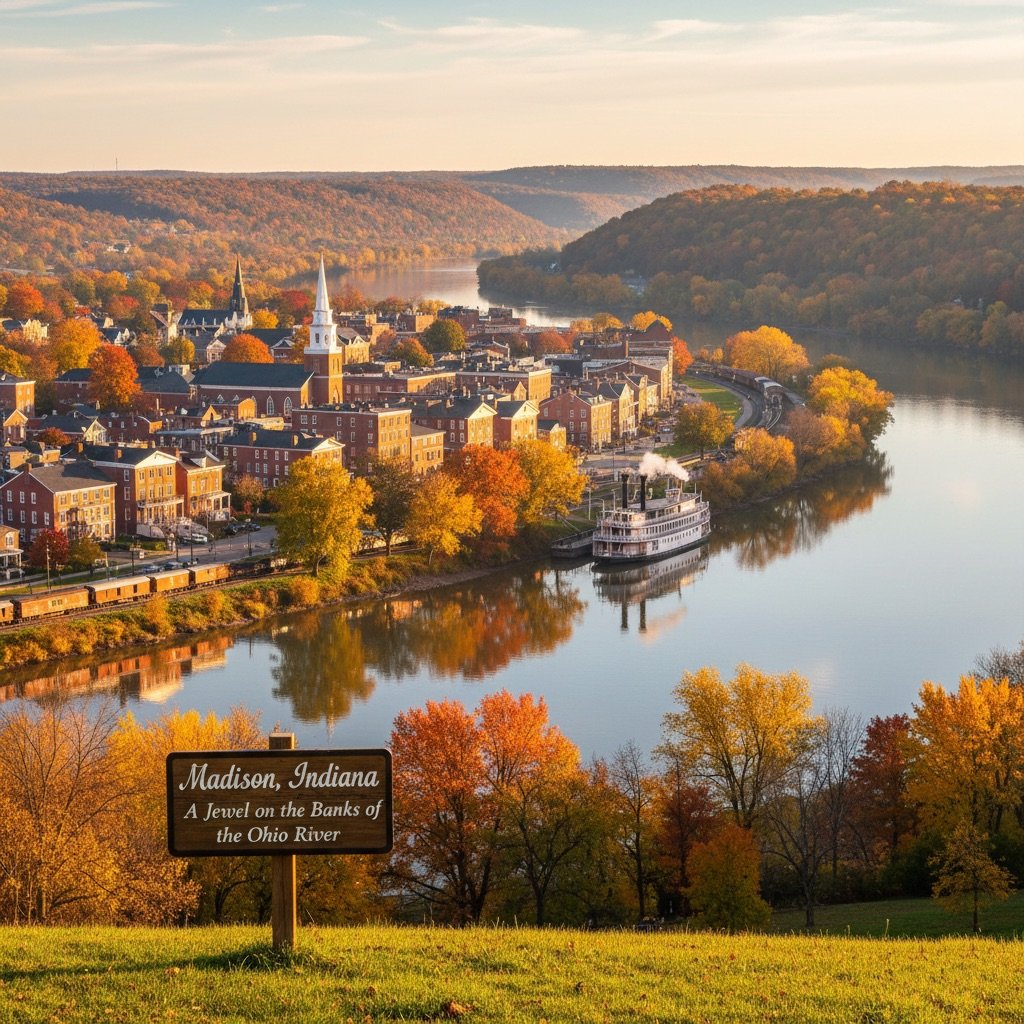
Bridges as Panoramic Storytellers
Bridges are more than functional structures — they are cultural symbols, architectural statements, and elevated vantage points that offer panoramic opportunities from every angle.
Photographing From the Bridge
Standing on a bridge gives you a central, elevated viewpoint. From here, you can capture:
- river currents flowing beneath
- city skylines rising in the distance
- boats, piers, and waterfront activity
- reflections stretching across the water
This perspective creates panoramas with depth, movement, and a sense of place.
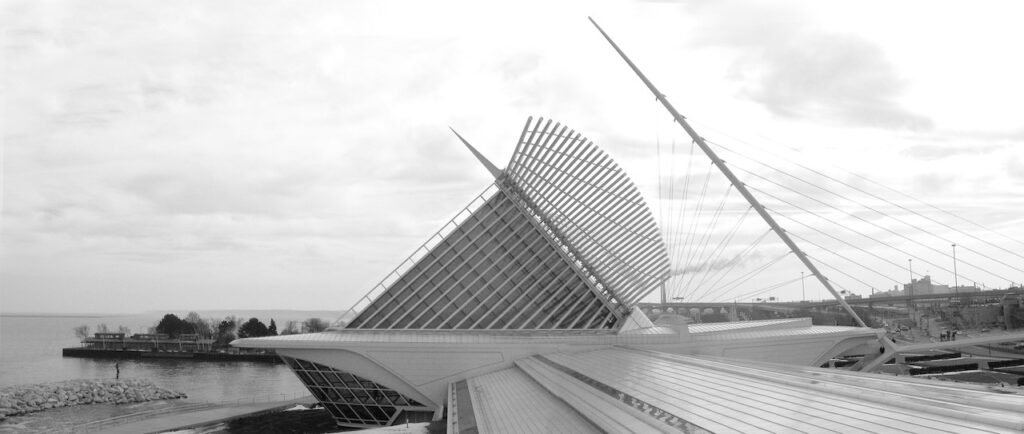
Photographing the Bridge Itself



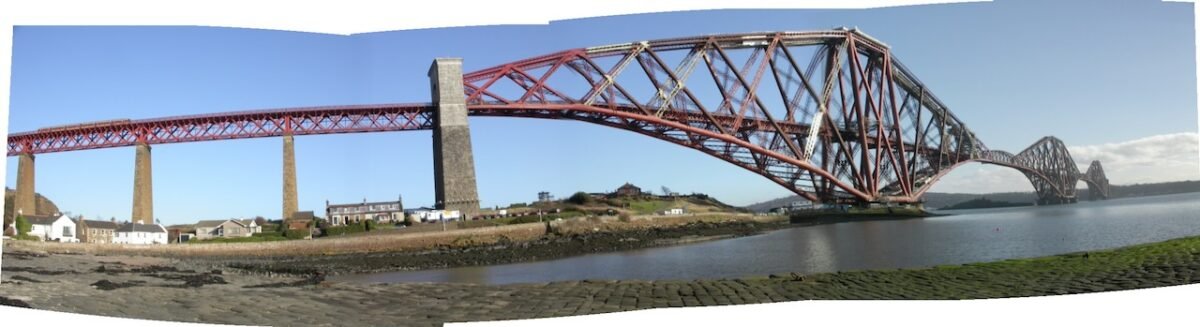
Bridges are sculptural forms. Their arches, cables, beams, and spans create geometric patterns that translate beautifully into wide‑format compositions.
Consider capturing:
- the full length of the bridge from the shoreline
- the underside of the structure for dramatic vertical panoramas
- the bridge at night when lights create luminous reflections
Bridges become both subject and frame — a dual role that enriches panoramic storytelling.
Waterfronts as Panoramic Canvases
Waterfronts are dynamic environments where nature and culture meet. They offer endless opportunities for panoramic photography because they combine open space with human activity.
Coastal Waterfronts
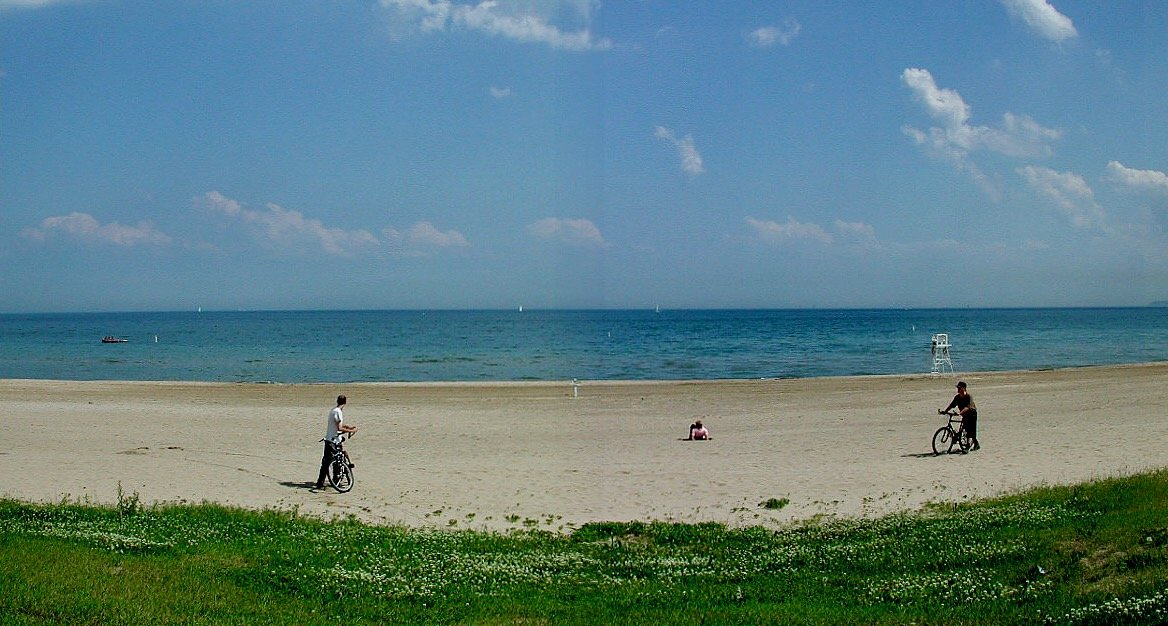
Beaches, cliffs, and harbors create sweeping horizontal panoramas filled with:
- tidal patterns
- shifting skies
- boats and docks
- coastal architecture
These scenes are ideal for capturing atmosphere and movement.
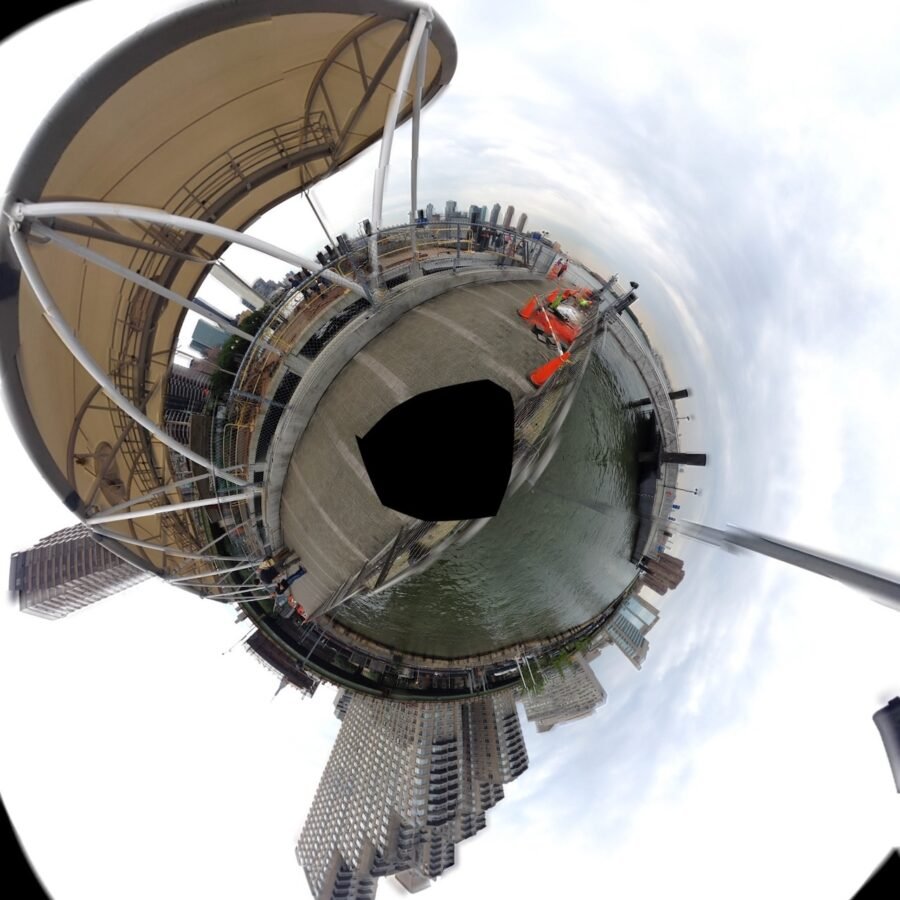
credit: JASONJPOGODZINSKI
Urban Waterfronts
City waterfronts blend natural and built environments. Panoramas here often include:
- skyline reflections
- river traffic
- promenades and parks
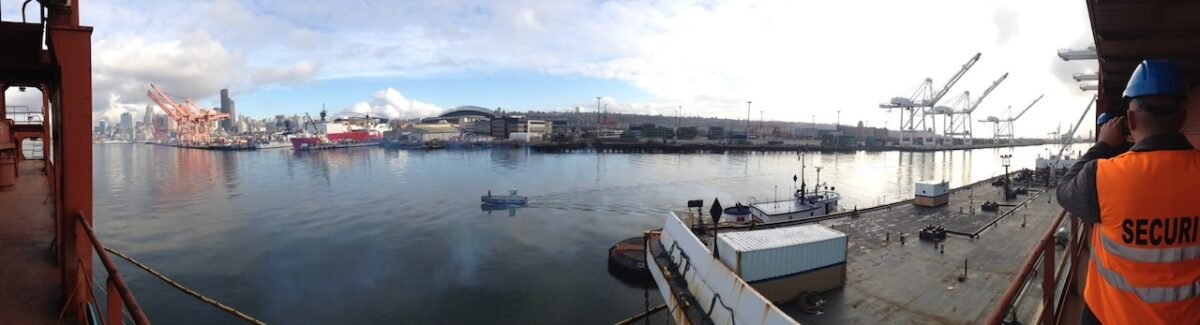
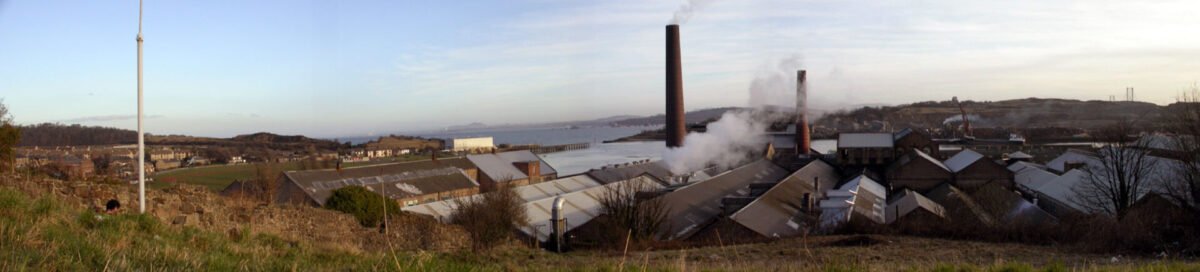
- bridges and industrial structures
The contrast between water and architecture creates visually rich compositions.
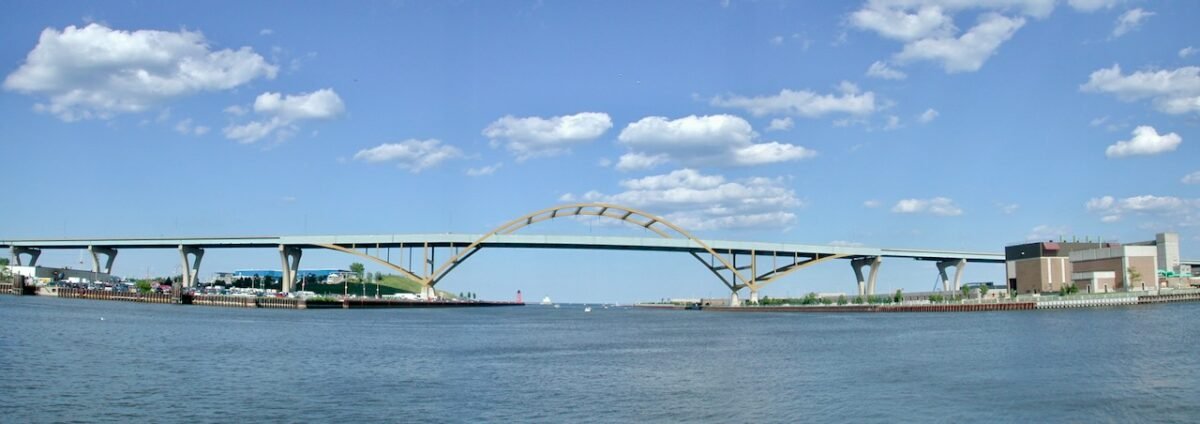
Lakeside and Riverside Views
Still water offers mirror‑like reflections that double the visual impact of a panorama. These scenes are perfect for artists who want to study symmetry, color, and mood.
credit: JASONJPOGODZINSKI
Riverwalks as Cultural Corridors
Riverwalks are designed for slow movement — walking, observing, sketching, and absorbing the rhythm of a place. They are ideal for panoramic photography because they offer:
- long, uninterrupted paths
- changing perspectives with every step
- access to both water and city views
- cultural landmarks and public spaces
Capturing the Flow of Life
Riverwalks often host:
- street performers
- markets
- festivals
- daily commuters
- quiet morning walkers
These human elements add narrative depth to panoramic compositions.
Architectural and Natural Layers
Riverwalks reveal how cities grow around water. Panoramas can include:
- historic warehouses
- modern towers
- bridges overhead
- trees, gardens, and wildlife
This blend of nature and architecture creates a layered visual story.
credit: JASONJPOGODZINSKI
Techniques for Panography in Linear Spaces
Follow the Line
Use the natural direction of the space — the bridge span, the shoreline, the walkway — as a guiding compositional element.
Capture Transitional Light
Waterfronts and bridges are especially dramatic during:
- sunrise
- sunset
- blue hour
- foggy mornings
- storm clearing moments
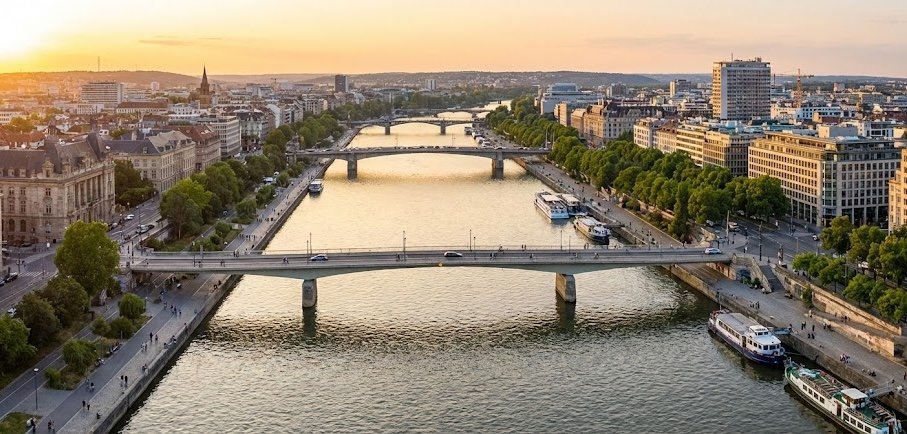
These conditions add atmosphere and emotional depth.
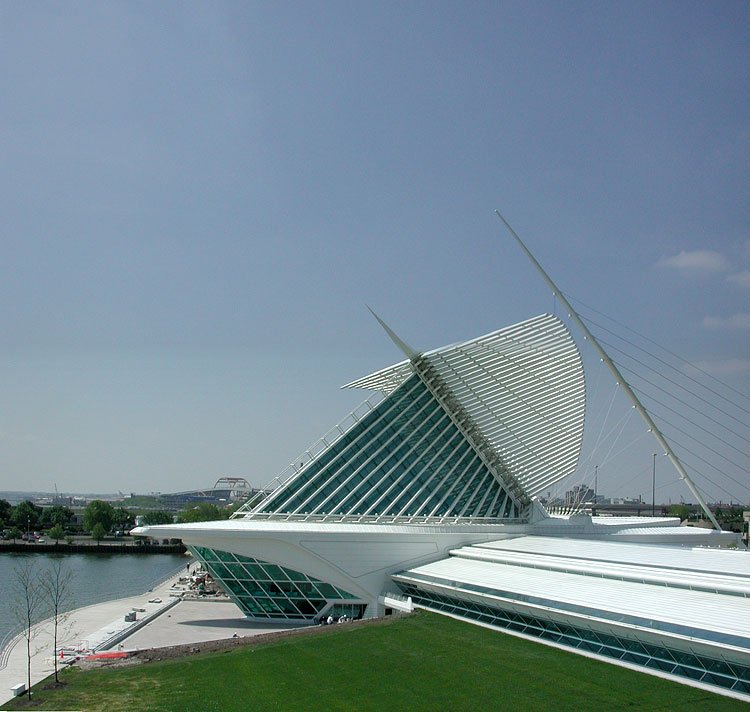
Embrace Vertical Panoramas
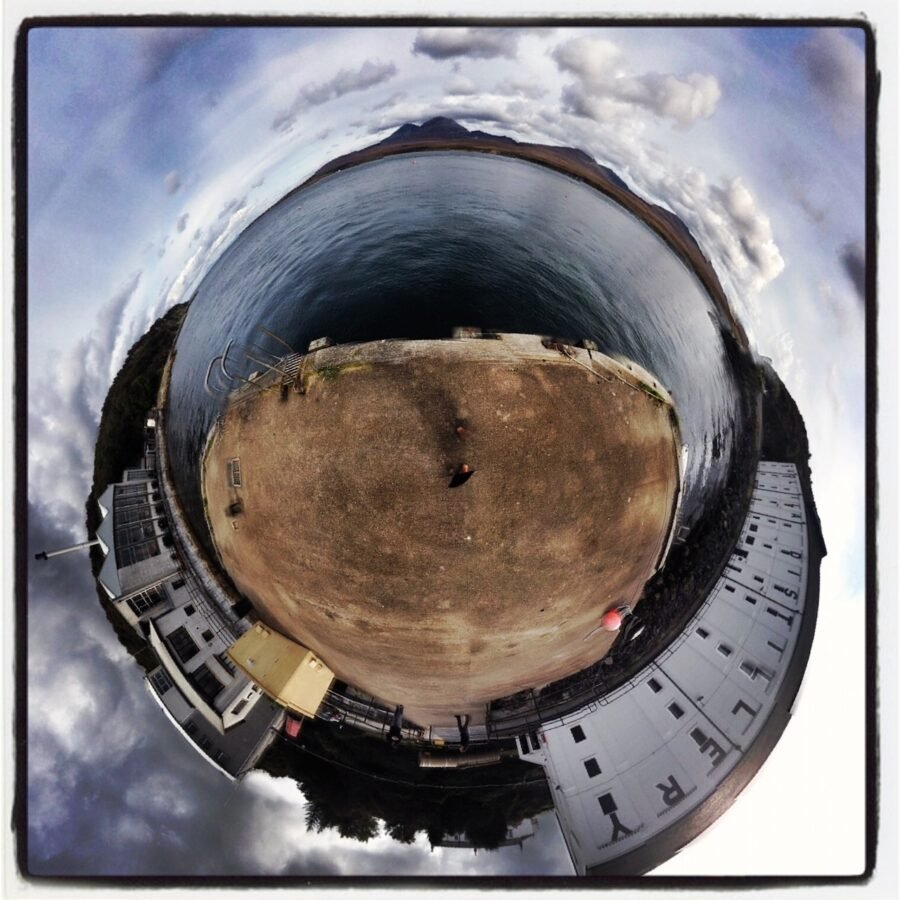
Tall bridges, cliffs, and riverside architecture often require upward‑looking compositions that emphasize height and scale.
credit: JASONJPOGODZINSKI
Include Foreground Elements
Railings, stones, plants, or architectural details help anchor the scene and create depth.
Cultural Stories in Linear Spaces
Bridges, waterfronts, and riverwalks often hold cultural significance:
- historic trade routes
- migration paths
- industrial heritage
- spiritual or ceremonial sites
- community gathering spaces
Panography allows you to capture these layers in a single wide‑format image, revealing how culture and environment shape each other.

credit: JASONJPOGODZINSKI
Frequently Asked Questions
Why are bridges ideal for panoramic photography?
Bridges offer elevated viewpoints, strong lines, and dramatic architectural forms that translate beautifully into wide‑format compositions.
What makes waterfronts good for panography?
Waterfronts provide open horizons, reflective surfaces, and atmospheric light that enhance panoramic storytelling.
Can I create panoramas on a riverwalk using a phone?
Yes — modern phones can capture excellent panoramas, especially in well‑lit outdoor environments.
How do reflections improve panoramic images?
Reflections add symmetry, depth, and visual interest, doubling the impact of the scene.
Are vertical panoramas useful in linear spaces?
Absolutely — tall bridges, cliffs, and riverside architecture often require vertical compositions to capture their full scale.

 Panography.org | PANORAMA HISTORY & ORIGINS
The Transition to Film Panoramas | 20th‑Century Innovations
Track the movement from heavy glass plates to portable rolls. This era of innovation made the panoramic dream accessible to the wandering street artist.
Final Thoughts
Bridges, waterfronts, and riverwalks are linear spaces made for panography — places where movement, culture, and landscape converge in long, unfolding scenes. Through a panoramic lens, these environments become immersive narratives that reveal the character of a city, the rhythm of a river, and the quiet poetry of water meeting land. For panoramic photographers and other artists, these spaces offer endless inspiration: shifting light, architectural drama, cultural stories, and the simple pleasure of walking along the edge of a horizon.
Whether you’re photographing a bridge at dusk, or sketching from a riverside bench, capturing the glow of city lights reflected on water, these linear spaces invite you to slow down, look widely, and create art that honors the spirit of place.
credit: JASONJPOGODZINSKI