Table of Contents
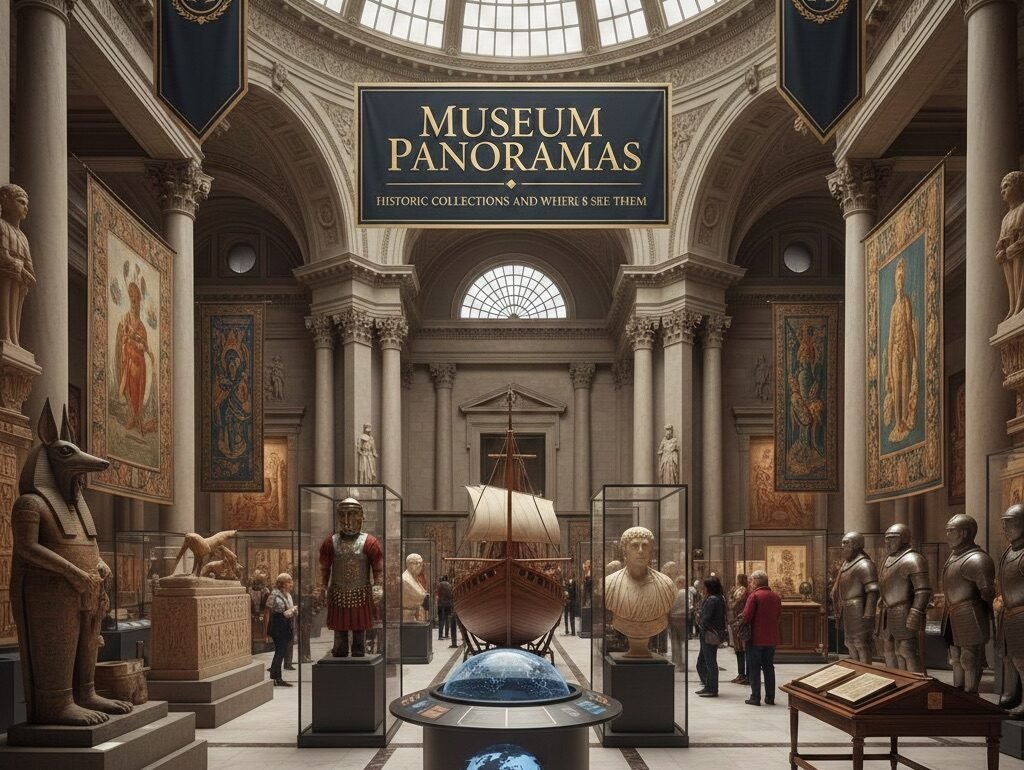
Panoramic photography has long served as a bridge between art, documentation, and immersive storytelling. In museum settings, these wide-format images offer more than visual spectacle—they provide historical context, cultural insight, and a sense of place that transcends the frame. From sweeping cityscapes to battlefield cycloramas, museum panoramas invite viewers to step into another time and space.
Historic Panoramas: A Legacy of Wide-Format Storytelling
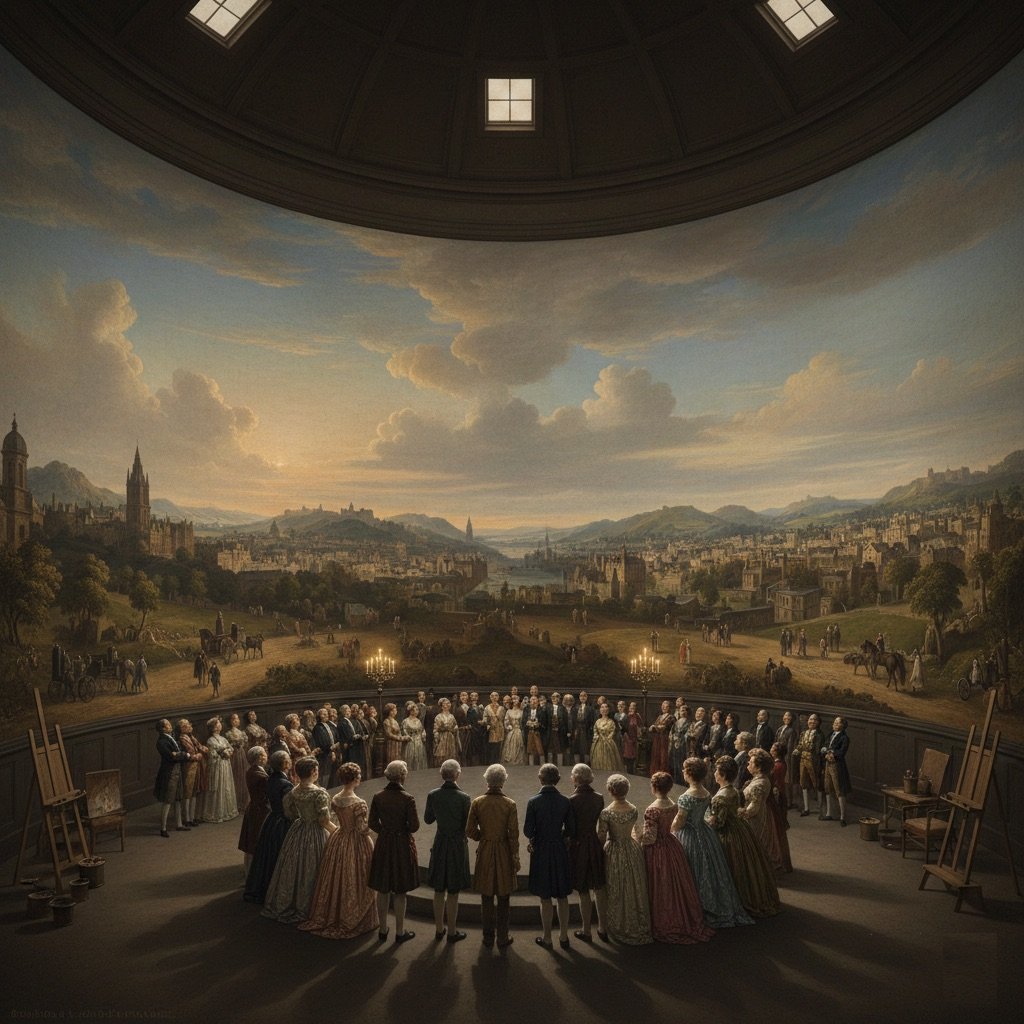
The tradition of panoramic imagery in museums dates back to the 19th century, when cycloramas and moving panoramas captivated audiences with their scale and realism. These installations often depicted pivotal historical events—battles, conquests, and urban transformations—rendered in wraparound formats that immersed viewers in the scene. Today, many of these historic pieces are preserved in museum collections, offering a glimpse into the origins of panoramic storytelling.
Where to See Museum Panoramas Today
Library of Congress Panoramic Collection



The Library of Congress holds one of the most extensive archives of panoramic photographs in the United States. With over 4,000 images spanning from 1851 to 1991, this collection showcases American landscapes, cityscapes, and group portraits. These images, often stretching up to six feet in length, provide a visual chronicle of the nation’s development through the panoramic lens.

The Met 360° Project
The Metropolitan Museum of Art’s 360° Project offers a modern take on panoramic viewing. Using spherical video technology, the museum presents immersive tours of its galleries and architectural spaces. Viewers can float above The Met Cloisters or stand alone in an empty gallery, experiencing the museum as a panoramic environment rather than a static space.
https://www.metmuseum.org/art/online-features/met-360-project
Google Arts & Culture: Museum Views
For those unable to travel, Google Arts & Culture provides virtual panoramic tours of museums around the world. From the Château de Vaux-le-Vicomte in France to the National Palace of Sintra in Portugal, these 360˚ Street View experiences allow users to explore historic collections and architectural marvels from a panoramic perspective.


Panorama Council Database
The Panorama Council maintains a global database of panoramic installations, including cycloramas, dioramas, and photographic panoramas. Highlights include the Lucerne Panorama in Switzerland, the Samsun Panorama in Turkey, and the Shengjing Panorama in Los Angeles. These sites preserve the tradition of large-scale panoramic storytelling and offer physical spaces where viewers can engage with history in immersive formats.

Panoramas as Cultural Memory
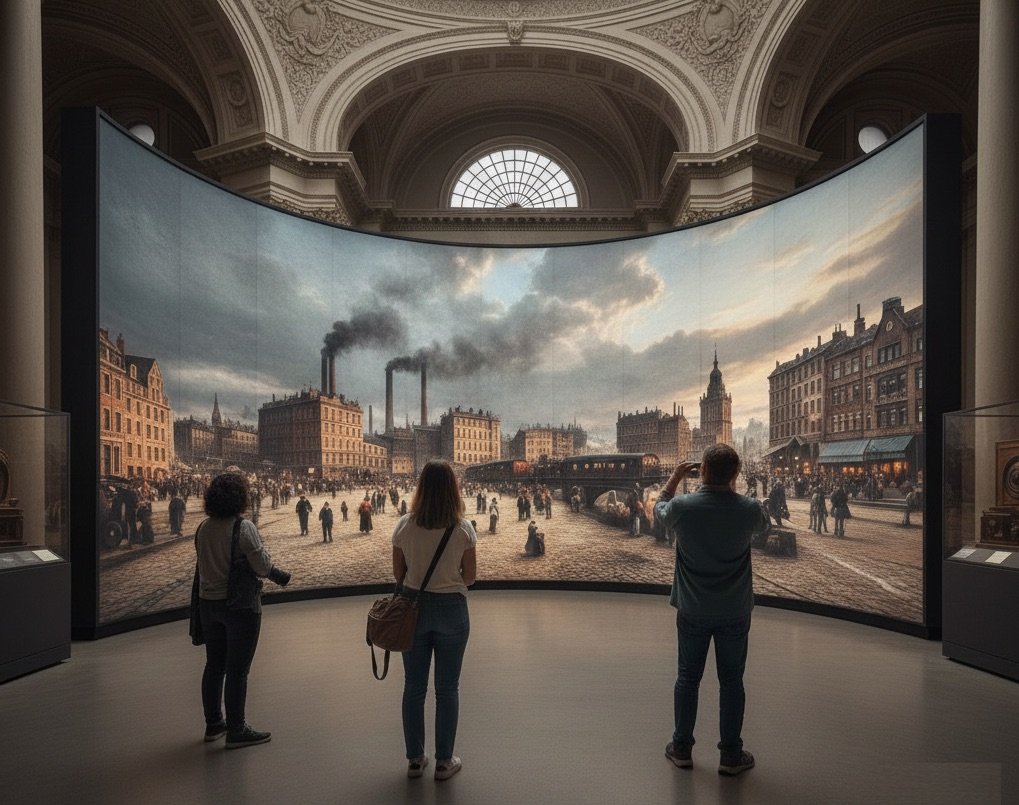
Museum panoramas do more than depict—they remember. Whether capturing the aftermath of war, the rise of industrial cities, or the quiet dignity of rural life, these wide-format images serve as cultural memory banks. Their scale allows for detail, nuance, and atmosphere, making them ideal for documenting complex environments and layered histories.
Panography in the Museum Context
For panoramic photographers and creative explorers, museums offer both inspiration and context. The interplay between historical panoramas and contemporary wide-format photography reveals how artists continue to use scale, composition, and environment to tell stories. Panography—defined by its immersive, cinematic qualities—finds a natural home in museum spaces, where the spirit of place and the sweep of history converge.
 Panography.org | CREATIVE INSPIRATION & VISUAL IDEAS
Urban Growth in the Wide | City Panoramas Expansive View
Observe the evolution of the modern metropolis. These cityscapes document the density and architectural ambition of our urban centers through the years.
Frequently Asked Questions
What is a museum panorama?
A museum panorama is a wide-format image or installation that depicts a scene or environment, often historical, in an immersive way.
Where can I see historic panoramic photographs?
The Library of Congress and the Panorama Council database are excellent resources for viewing historic panoramic photographs.
Are there virtual panoramic museum tours?
Yes, platforms like Google Arts & Culture and The Met 360° Project offer virtual panoramic tours of museums worldwide.
What is the difference between a panorama and a cyclorama?
A panorama is a wide-format image, while a cyclorama is a 360-degree installation that surrounds the viewer for full immersion.
How does panography relate to museum panoramas?
Panography emphasizes immersive, wide-format seeing, making it a natural fit for museum panoramas that document place and history.
Can panoramic photography be considered art?
Absolutely—panoramic photography blends technical skill with artistic vision, especially when used to capture cultural and environmental narratives.
Final Thoughts
Museum panoramas are more than artifacts—they are immersive experiences that connect viewers to history, culture, and place. Whether preserved in archives, displayed in galleries, or explored virtually, these wide-format works continue to inspire panoramic photographers and creative explorers. Through the lens of panography, museums become not just repositories of the past, but panoramic gateways to understanding the world in full sweep and scale.