Table of Contents
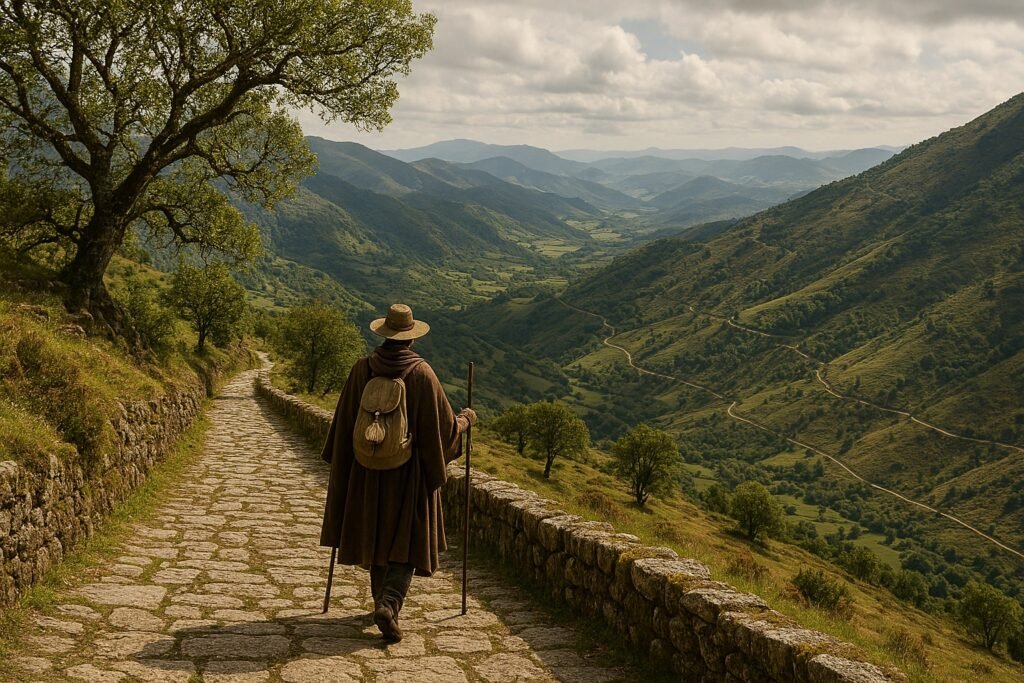
Walking a pilgrimage route is more than a journey across land — it is a passage through culture, memory, and landscape. When experienced through a panoramic lens, these trails reveal sweeping horizons, layered histories, and the quiet rhythms of human movement across centuries. Panography becomes a way of honoring these routes, capturing not only the scenery but the stories embedded in each bend, ridge, and village. For traveling artists, panoramic photographers, and creative wanderers, pilgrimage trails offer a rare blend of spiritual atmosphere, cultural depth, and expansive visual inspiration.
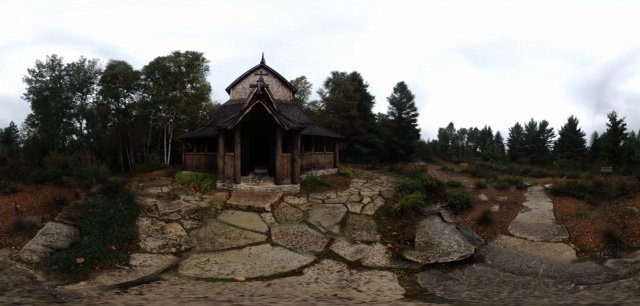
credit: JASONJPOGODZINSKI
This post explores how pilgrimage routes around the world become panoramic experiences — wide‑format narratives shaped by geography, tradition, and the lived experience of walking. From ancient footpaths to modern cultural trails, these routes invite you to slow down, observe deeply, and create art that reflects both place and passage.
The Panoramic Spirit of Pilgrimage Routes
Pilgrimage routes have always been tied to storytelling. They trace the footsteps of ancestors, saints, traders, and travelers who moved through landscapes with intention. When approached through panography, these trails become living panoramas — long, unfolding compositions that mirror the physical act of walking.
Pilgrimage paths naturally lend themselves to panoramic photography because they offer:
- Long sightlines across valleys, coastlines, and mountain passes
- Cultural layers visible in architecture, shrines, markers, and villages
- Atmospheric transitions as weather, light, and terrain shift
- A sense of narrative flow, perfect for wide‑angle storytelling
For artists and photographers, these routes become open‑air studios where creativity is shaped by movement, environment, and the quiet rituals of travel.
Why Pilgrimage Trails Inspire Panographic Seeing
A Landscape That Unfolds Slowly
Unlike destinations reached by car or train, pilgrimage routes reveal themselves step by step. This slow unfolding mirrors the panoramic process — a sequence of frames stitched into a larger whole.
Cultural Stories Embedded in Place
Shrines, chapels, cairns, and ancient markers become focal points in wide‑format compositions. They anchor the landscape with meaning.
Rhythms of Light and Weather
Pilgrimage routes often cross open terrain where light shifts dramatically across the day — ideal for atmospheric panoramas.
A Sense of Journey
Panography thrives on narrative. Pilgrimage trails offer a built‑in storyline: movement, transformation, and arrival.
Iconic Pilgrimage Routes with Panoramic Potential
The Camino de Santiago (Spain & France)



Rolling hills, medieval villages, and vast wheat fields create sweeping horizontal panoramas. The interplay of sky and earth becomes a visual meditation.
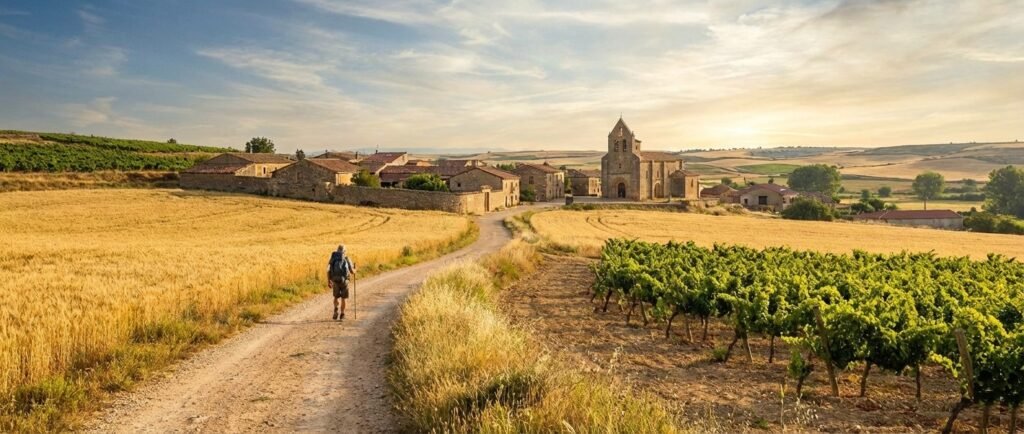
This panoramic view captures the classic pilgrimage experience. A lone pilgrim walks a winding path through the golden fields of northern Spain, with a small village and its church waiting in the distance. The expansive horizon and warm light evoke the sense of a long journey and the quiet contemplation it brings.
Kumano Kodo (Japan)
Ancient cedar forests, moss‑covered shrines, and mist‑filled valleys offer vertical panoramas rich with texture and spiritual atmosphere.
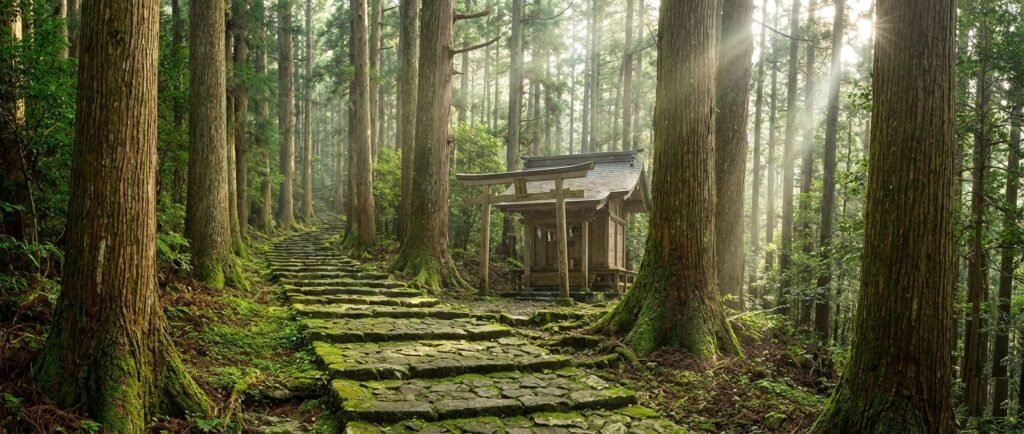
This image transports you to the ancient Kumano Kodo pilgrimage routes in Japan. A moss-covered stone path ascends through a dense cedar forest, leading to a small, secluded Shinto shrine. The panoramic format emphasizes the scale of the forest and the intimate, spiritual atmosphere of the trail.
The Inca Trail (Peru)
High‑altitude vistas, terraced mountainsides, and cloud forests create dramatic multi‑row panoramas that capture both landscape and legacy.
St. Olav’s Way (Norway)
Coastal paths, fjords, and open farmland provide luminous northern‑light panoramas with a sense of quiet expansiveness.
The Via Francigena (Italy)
Tuscan hills, Roman roads, and medieval towns offer warm, painterly panoramas filled with cultural detail. Each route becomes a canvas — a place where geography and culture merge into wide‑format stories.
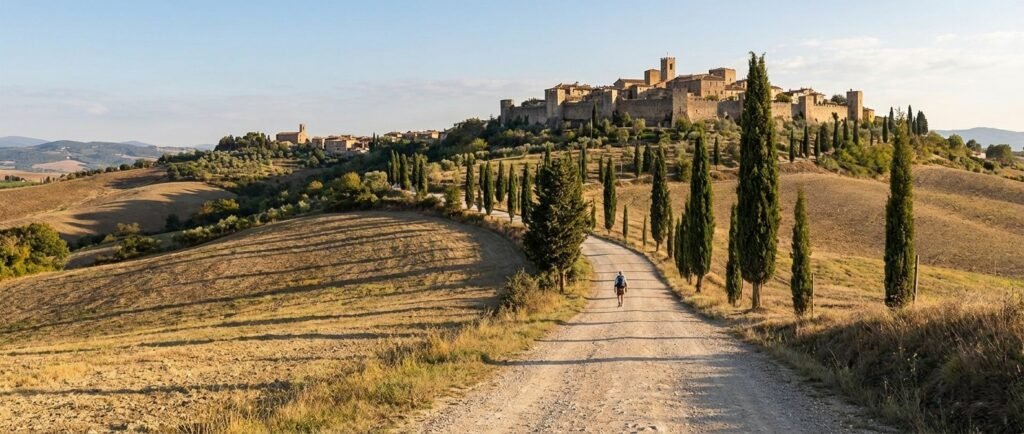
This panoramic photograph depicts the historic Via Francigena, the pilgrim route from Canterbury to Rome. A dirt road, lined with cypress trees, leads towards a medieval hilltop town in Tuscany. The wide-angle view beautifully captures the timeless landscape and the historical context of this ancient route.
A Modern Panoramic Pilgrimage: The Pacific Crest Trail, USA
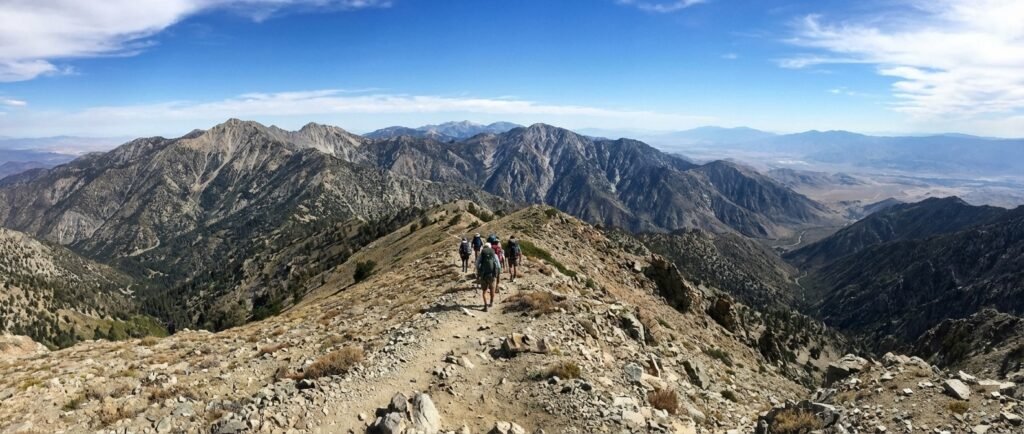
This image represents a modern form of pilgrimage—a long-distance hiking trail. Hikers walk along a high mountain ridge on the Pacific Crest Trail, with a breathtaking panorama of a vast mountain range and a distant desert valley. This photo illustrates how contemporary trails offer a similar blend of physical challenge and spiritual connection with nature.
Capturing Cultural Stories Through Panography
Shrines, Markers & Sacred Architecture
Pilgrimage trails are dotted with small structures that hold centuries of meaning. Panoramas allow you to place these elements within their broader landscape, showing how culture and environment intertwine.
Villages and Waystations
Many routes pass through towns shaped by the flow of travelers. Wide‑angle compositions reveal the relationship between streets, plazas, and surrounding terrain.
Rituals of the Road
Pilgrims resting, sharing meals, or walking in groups create human‑scale panoramas that reflect the communal spirit of the journey.
Natural Symbols
Mountains, rivers, and forests often hold spiritual significance. Panography helps express their scale and emotional resonance.
Techniques for Panographic Storytelling on Pilgrimage Routes
Follow the Line of the Trail
Use the path itself as a compositional anchor — a leading line that guides the viewer through the scene.
Capture Transitional Moments
Dawn departures, fog lifting from valleys, or late‑day golden light create atmospheric panoramas filled with emotion.
Embrace Vertical Panoramas
Tall forests, canyon walls, and temple gates often require upward‑looking compositions that emphasize height and depth.
Document Cultural Layers
Include signage, carvings, stonework, or offerings to enrich the narrative.
Think Like a Sketchbook Artist
Use your camera as a visual notebook — collecting textures, colors, and spatial relationships for later sketching or painting.
Panography as a Traveler’s Sketchbook
Pilgrimage routes encourage a slower pace, making them ideal for artists who sketch or paint on the move. Panoramic photographs become:
- reference material for watercolor landscapes
- compositional guides for wide‑format drawings
- color studies for studio paintings
- memory anchors for journaling
The combination of walking, observing, and creating forms a ritual of its own — a personal pilgrimage through art.
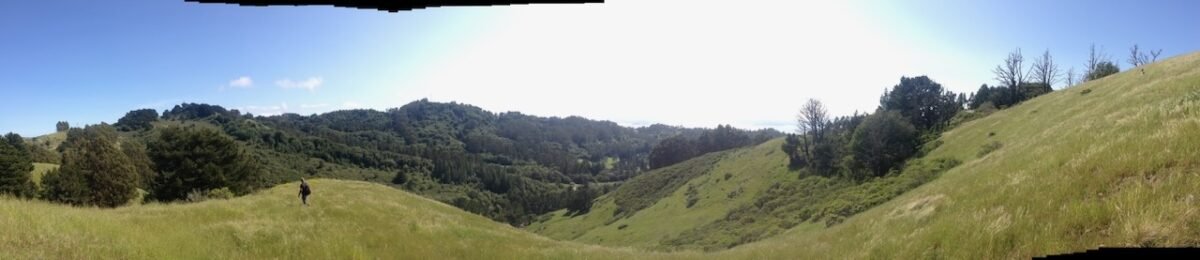
credit: JASONJPOGODZINSKI
Cultural Atmosphere and the Emotional Landscape
Pilgrimage routes are not only physical spaces; they are emotional geographies. Panoramas help capture:
- solitude on quiet forest paths
- anticipation as a distant village appears on the horizon
- reverence at sacred sites
- community among fellow travelers
- transformation as landscapes shift with elevation and time
Wide‑format seeing becomes a way of honoring these emotional layers.
 Panography.org | CREATIVE INSPIRATION & VISUAL IDEAS
Unusual Perspectives | Seeing Panoramas Differently
Break free from standard compositions. This article highlights the beauty found in unconventional angles and daring wide-format visual experiments.
Frequently Asked Questions
How does panography enhance the experience of walking a pilgrimage route?
Panography captures the unfolding nature of the trail, allowing you to document both landscape and cultural context in a single wide‑format narrative.
Do I need special equipment to photograph Panoramic Pilgrimage routes panoramically?
No — even a phone can create beautiful panoramas; what matters most is attention to light, composition, and storytelling.
Which pilgrimage routes are best for panoramic photography?
Routes with open landscapes, varied terrain, and cultural landmarks — such as the Camino de Santiago or Kumano Kodo — offer exceptional panoramic opportunities.
Can panoramic photos help with sketching or painting later?
Yes — panoramas serve as visual notes, helping artists recall spatial relationships, color palettes, and atmospheric details.
Is panography suitable for documenting cultural heritage sites?
Absolutely — wide‑format images reveal how architecture, landscape, and human presence interact across space.
Final Thoughts
Pilgrimage routes invite us to move through the world with intention, curiosity, and openness. When experienced through a panoramic lens, these trails become more than paths — they become living stories, shaped by culture, geography, and the quiet rituals of travel. Panography allows artists and photographers to honor these journeys, capturing the sweep of the land and the spirit of the people who have walked it for centuries.
Whether you’re sketching beneath ancient trees, photographing a distant ridge, or simply pausing to breathe in the landscape, pilgrimage routes offer endless inspiration. They remind us that creativity is not only found in destinations, but in the act of moving through the world — step by step, frame by frame, panorama by panorama.