Table of Contents
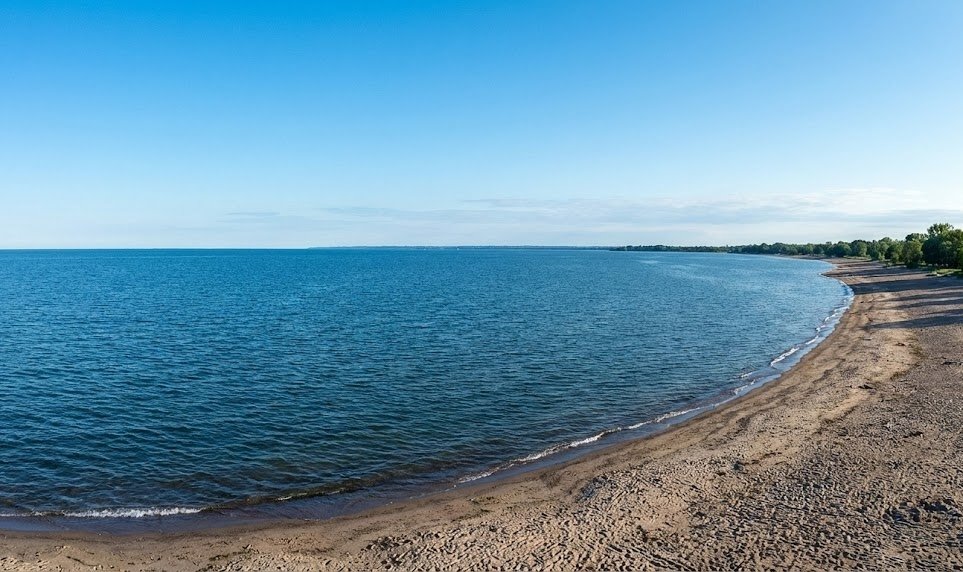
Coastlines have always invited a wide gaze. They stretch beyond the limits of a single frame, curving into the distance with a rhythm shaped by tides, wind, and time. When approached through a panoramic lens, shorelines become sweeping visual narratives — places where land, water, and sky meet in long, atmospheric compositions. Panography transforms these coastal horizons into immersive experiences, revealing the scale, texture, and cultural stories embedded in the world’s shorelines.

credit: JASONJPOGODZINSKI
For panoramic photographers, and creative explorers, coastlines offer endless inspiration. They are living edges of the world, shaped by geography and human presence, and they reward those who look widely, patiently, and with curiosity. This post explores how panoramic shoreline views deepen our understanding of coastal environments, and how wide‑format seeing helps us capture the spirit of these dynamic landscapes.
The Panoramic Power of Coastal Horizons
Coastlines are natural panoramic subjects. Their long, uninterrupted lines create compositions that feel expansive and fluid, inviting the viewer to follow the horizon from one end of the frame to the other.
The Meeting of Elements
Coastal panoramas capture the interplay of:
- water and land
- light and atmosphere
- movement and stillness
- culture and environment
This convergence creates scenes that feel both vast and intimate — ideal for wide‑format storytelling.

credit: JASONJPOGODZINSKI
The Rhythm of the Shoreline
Shorelines are constantly changing. Waves reshape sand, tides reveal new textures, and weather transforms the mood of the coast. Panography allows you to document these transitions in a single sweeping view.
A Sense of Scale
Panoramic shoreline views emphasize the scale of cliffs, beaches, dunes, and ocean expanses. They reveal how small we are in relation to the natural world, while also highlighting the cultural footprints that line the coast.
Iconic Coastal Regions Made for Panography
Rugged Cliffs and Dramatic Coastlines
Regions with steep cliffs and rocky outcrops create powerful panoramic compositions. The contrast between vertical rock faces and horizontal horizons adds depth and drama.
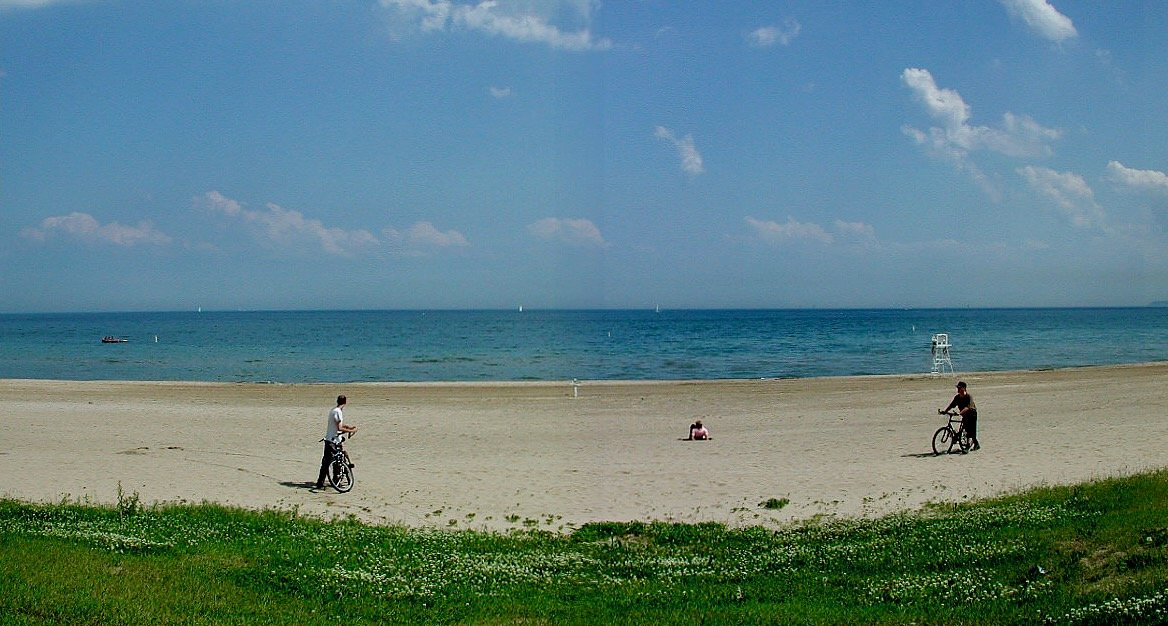
Wide, Open Beaches
Long stretches of sand offer clean, minimalist panoramas. These scenes emphasize:
- open space
- shifting light
- tidal patterns
- atmospheric color
They are ideal for artists who appreciate subtlety and mood.
credit: JASONJPOGODZINSKI
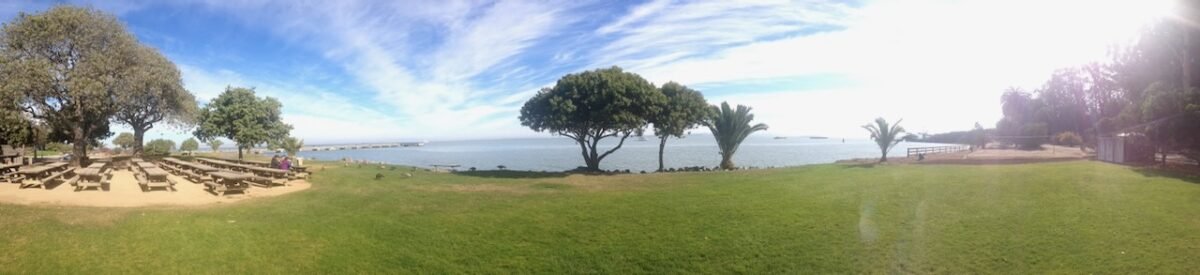
Coastal Cities and Harbors
Urban shorelines blend natural and built environments. Panoramas here often include:
- skylines
- piers and marinas
- waterfront promenades
- cultural landmarks
These scenes reveal how cities grow around water.
Tropical Shores
Palm‑lined beaches, turquoise water, and bright skies create vibrant panoramas filled with color and texture.
Northern and Arctic Coasts
Cold‑weather coastlines offer stark, minimalist panoramas with muted palettes, icy textures, and dramatic skies.

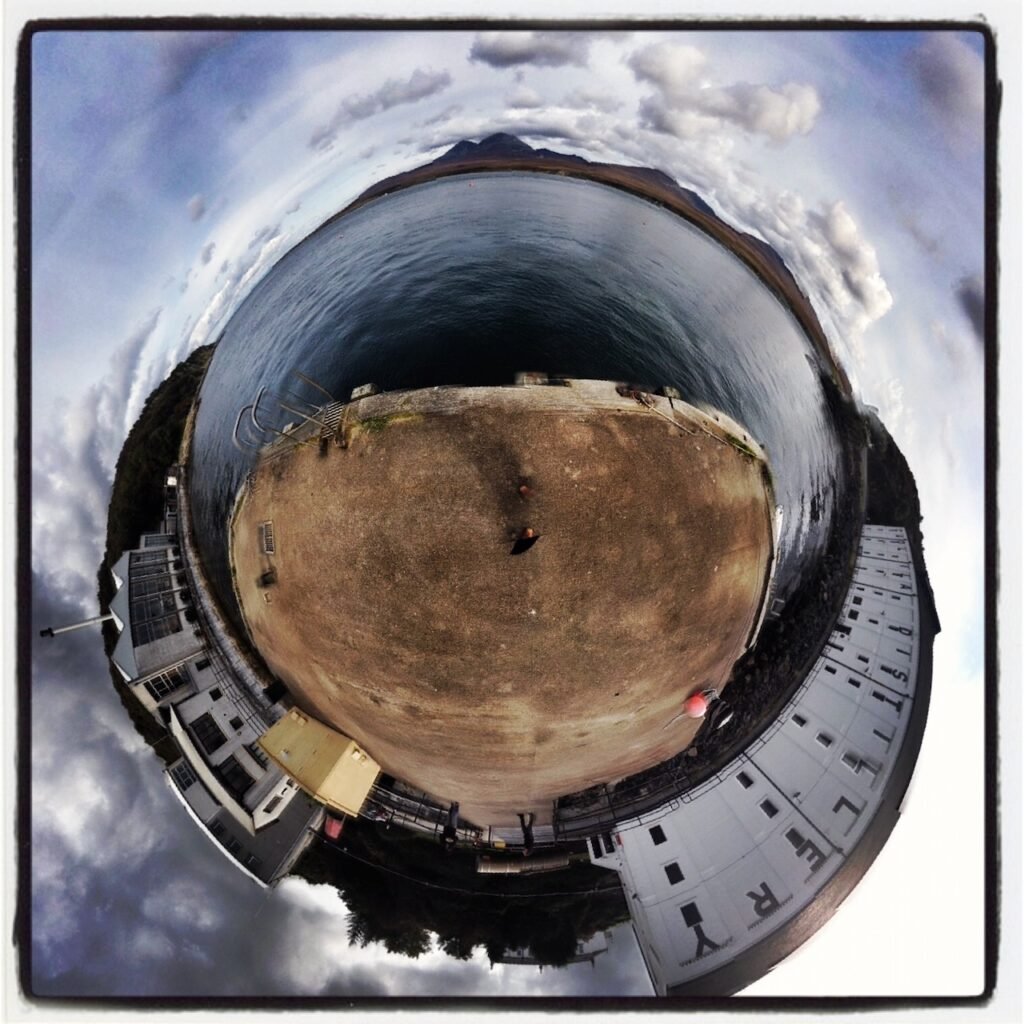
How Panography Captures the Spirit of the Coast
Light as a Storyteller
Coastal light is constantly shifting. Morning fog, midday glare, golden hour glow, and twilight reflections all create unique panoramic moods.
Movement Across the Frame
Waves, clouds, birds, and boats introduce motion into wide‑format compositions. This movement adds life and rhythm to the scene.
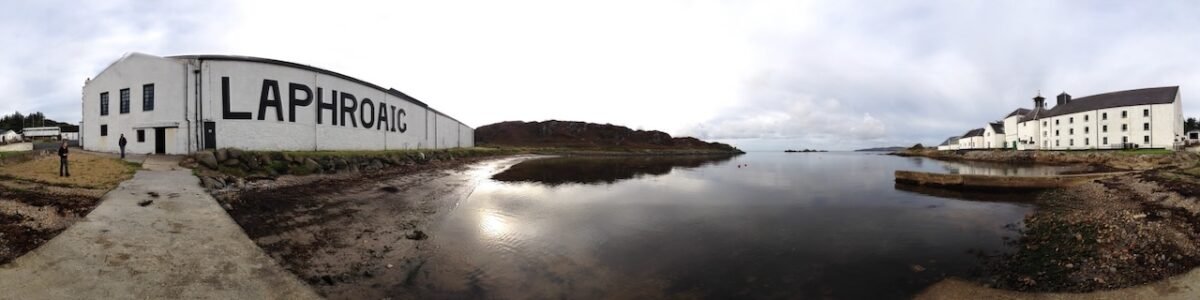
Cultural Layers
Coastlines often hold deep cultural significance. Panoramas can capture:
- fishing villages
- lighthouses
- ancient ports
- coastal trails
- maritime traditions
These elements enrich the narrative of the shoreline.
Environmental Awareness
Panoramic shoreline views reveal environmental changes — erosion, rising tides, shifting dunes, and human impact. Wide‑format seeing becomes a form of documentation and reflection.

credit: JASONJPOGODZINSKI
Techniques for Capturing Panoramic Shoreline Views
Follow the Curve of the Coast
Use the natural line of the shoreline as a guiding element. Let it lead the viewer across the frame.
Embrace Atmospheric Conditions
Coastal weather is unpredictable — and that’s part of the magic. Fog, storms, and shifting clouds create dramatic panoramas.
Include Foreground Elements
Rocks, driftwood, grasses, or tidal pools add depth and texture.
Capture Vertical Panoramas
Cliffs, dunes, and tall coastal structures often require upward‑looking compositions that emphasize height.
Think Like a Sketchbook Artist
Use your camera to gather visual notes — color palettes, textures, and spatial relationships — for later sketching or painting.
credit: JASONJPOGODZINSKI
Coastal Horizons as Creative Inspiration
For Photographers
Panoramic shoreline views offer opportunities to explore:
- long exposures
- reflective surfaces
- layered compositions
- atmospheric storytelling
For Travelers
Coastlines invite slow exploration. Walking along a shoreline reveals new angles, textures, and moods with every step.
credit: JASONJPOGODZINSKI
Cultural and Environmental Stories Along the Coast
Historic Ports
Panoramas of old harbors reveal centuries of maritime history.
Coastal Trails
Long coastal paths offer continuous panoramic opportunities, blending nature and culture.
Waterfront Communities
Fishing towns, seaside markets, and coastal festivals add human stories to wide‑format compositions.
Natural Landmarks
Sea stacks, arches, cliffs, and dunes become focal points in panoramic shoreline views.

 Panography.org | PANORAMA STYLES & APPROACHES
Aerial Panoramas | Expanding the Vertical Dimension
Transcend the ground-level view and embrace the majesty of the sky. This perspective reimagines the horizon by adding a breathtaking sense of height.
Frequently Asked Questions
Why are coastlines ideal for panoramic photography?
Their long, uninterrupted horizons and dynamic environments naturally lend themselves to wide‑format compositions.
What time of day is best for coastal panoramas?
Golden hour, blue hour, and early morning fog create atmospheric light that enhances shoreline views.
Can I capture panoramic shoreline views with a phone?
Yes — modern phones can create excellent panoramas, especially in open coastal environments.
How do coastal panoramas help artists?
They provide reference material for studying color, light, movement, and spatial relationships.
What elements should I include in a shoreline panorama?
Look for leading lines, foreground textures, atmospheric light, and cultural details.
Final Thoughts
Coastal horizons invite us to look widely — to follow the line where land meets sea and sky. Through panography, these shorelines become expansive visual stories, capturing the atmosphere, culture, and natural rhythms of the coast. Whether you’re standing on a cliff overlooking a rugged coastline, walking along a quiet beach at dawn, or sketching from a harbor wall, panoramic shoreline views offer endless inspiration.
The coast is a place of movement, reflection, and discovery. It reminds us that the world is always shifting — tides rising and falling, light changing by the minute, landscapes reshaped by time. Panography allows us to honor these transitions, creating images that hold the spirit of the shoreline in a single, sweeping frame.
credit: JASONJPOGODZINSKI