
Table of Contents
Panography, the art and technique of panoramic photography, opens a wide window into immersive scenes, panoramic styles, and innovative storytelling. Whether it’s documenting the grandeur of a mountain range or exploring abstract patterns, this versatile form of photography comes in countless styles, from horizontal and vertical to 360° and VR or Grid panoramas. Combined with specialized cameras, such as the Stereo Cyclographe and the Wonder Panoramic Camera, and techniques like short rotation or full rotation, panography offers endless creative possibilities. Let’s dive into the methods, equipment, and styles that define this fascinating art form.
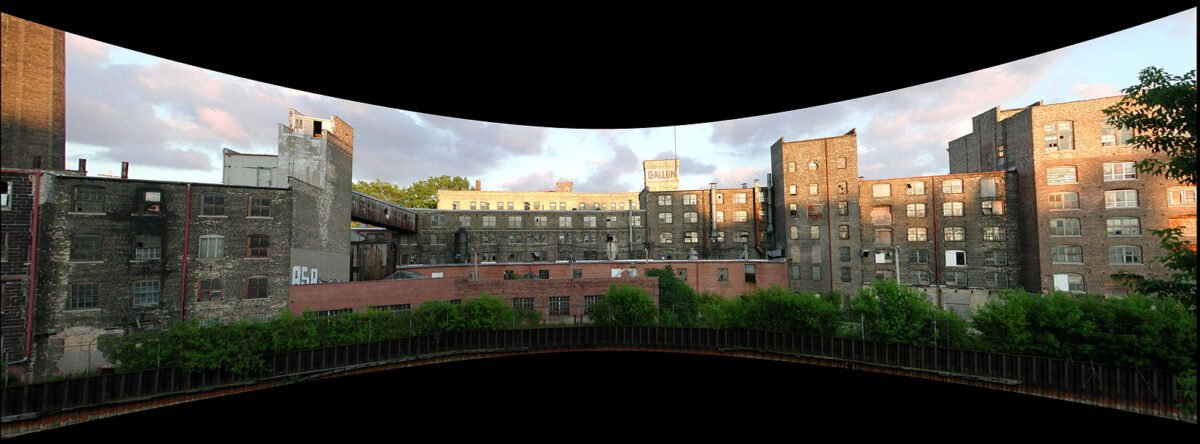
credit: JASONJPOGODZINSKI
What Is Panography?



Panography refers to the practice of merging multiple images to create wide-angle or immersive compositions that transcend the confines of a single frame. From natural landscapes to urban skylines, panography delivers scale, depth, and a unique perspective to its subjects.
Why Panography Stands Out
- Expansive Views: Capture more than just one moment—create a full narrative by incorporating multiple angles.
- Innovative Techniques: Apply methods like vertical panoramas and VR experiences for dynamic storytelling.
- Versatile Applications: Showcase everything from serene vistas to vibrant cityscapes.
Exploring Types of Panography
Horizontal Panoramas
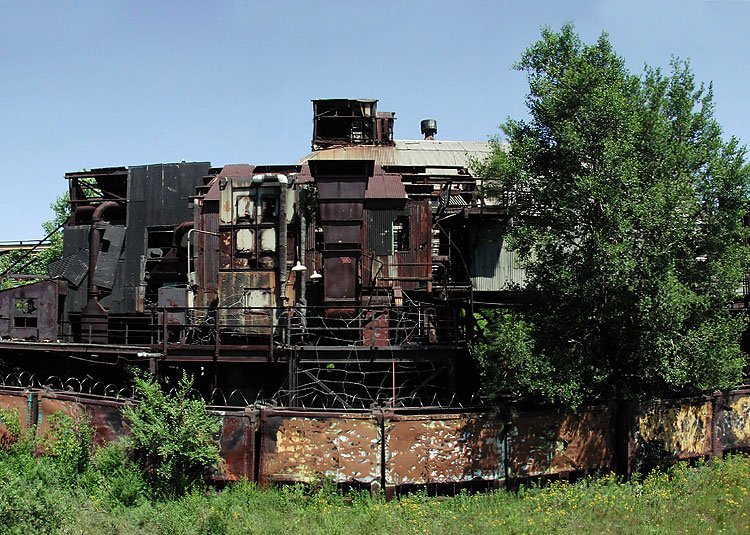
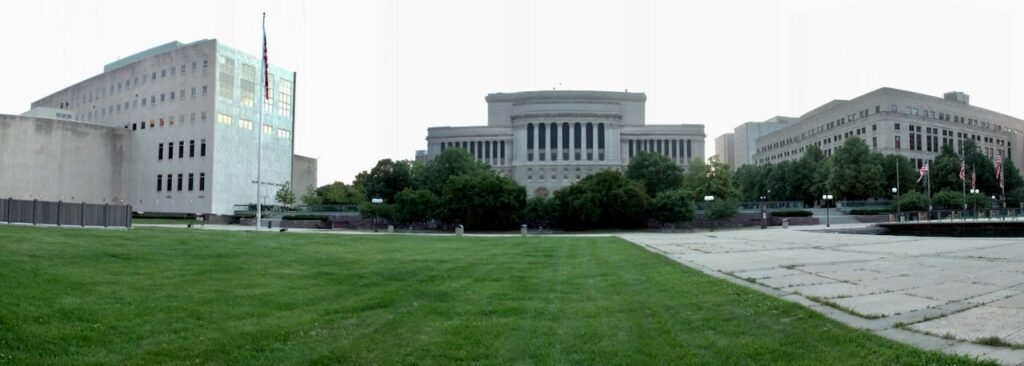
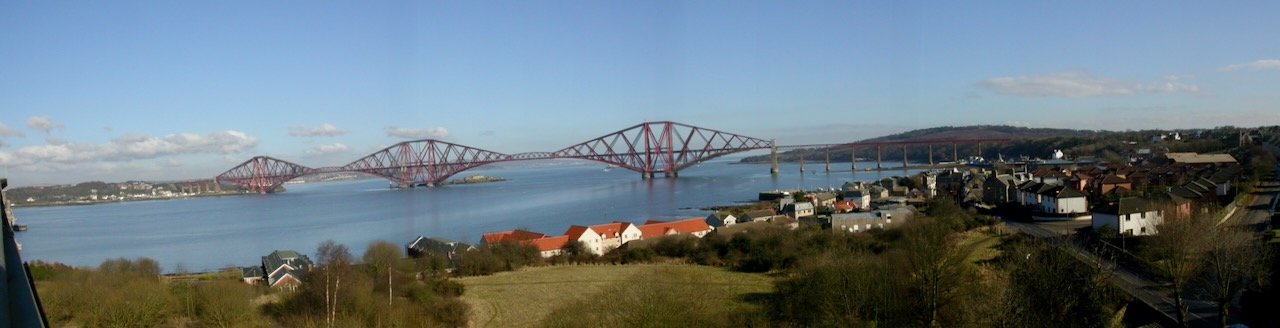
Horizontal panoramas are the most common and traditional form of panography. They stitch together a sequence of images along the horizontal axis to emphasize breadth and scope, making them perfect for landscapes and cityscapes.

Vertical Panoramas
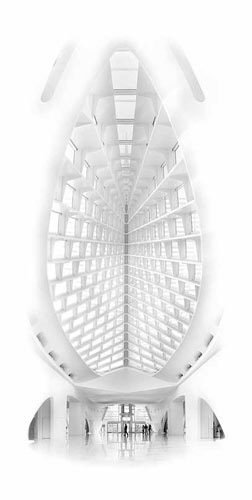
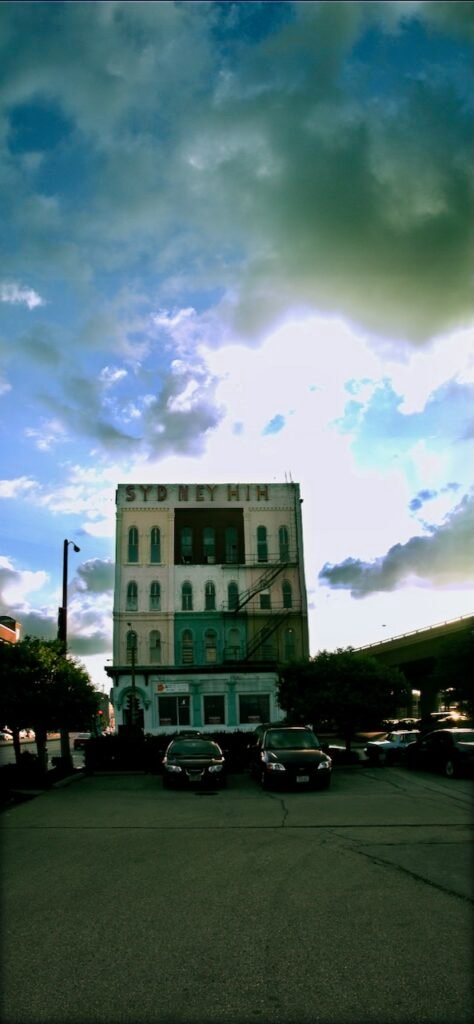
Instead of focusing on width, vertical panoramas highlight height and depth. Ideal for skyscrapers, cascading waterfalls, or towering trees, this technique allows photographers to explore upward perspectives.
360° Panography
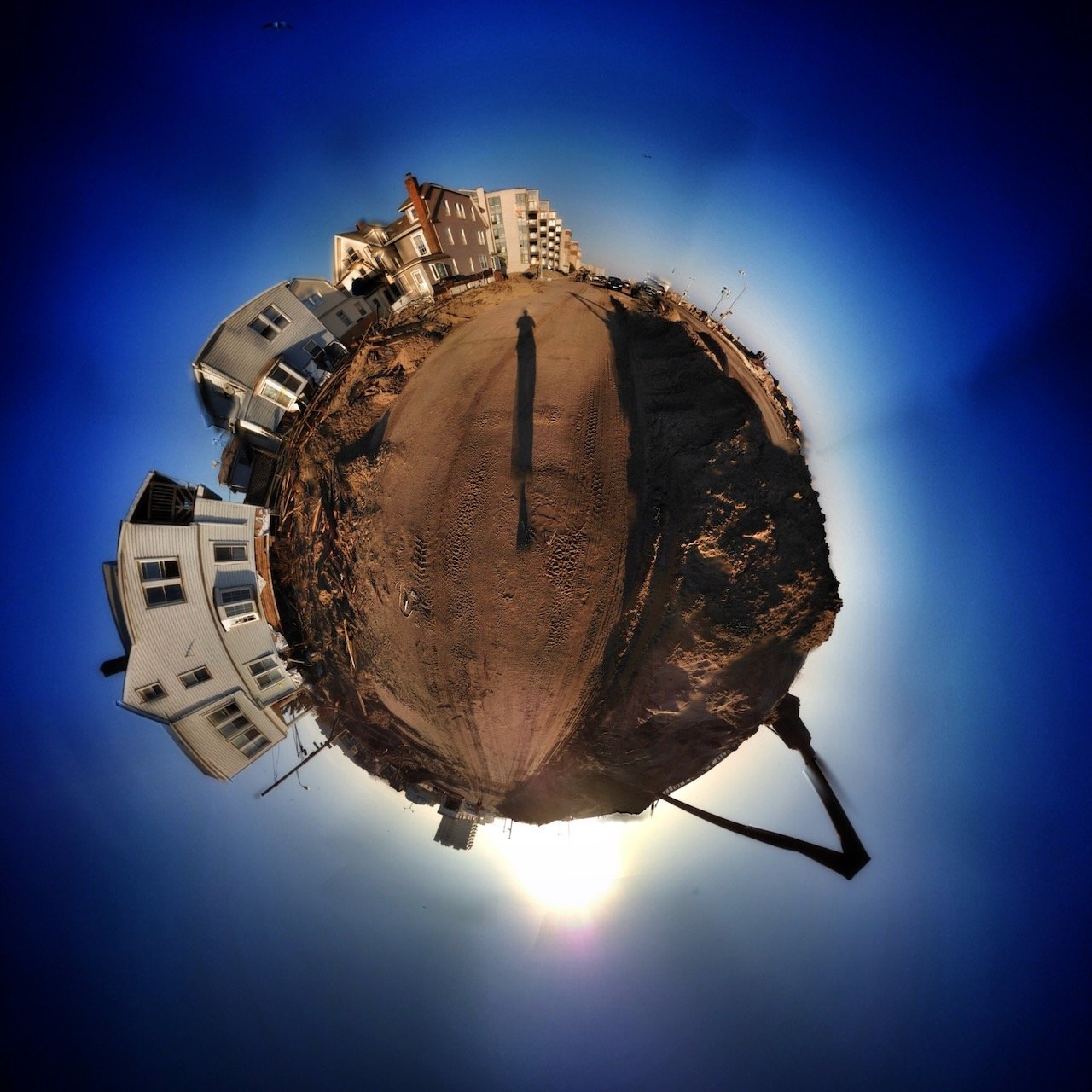
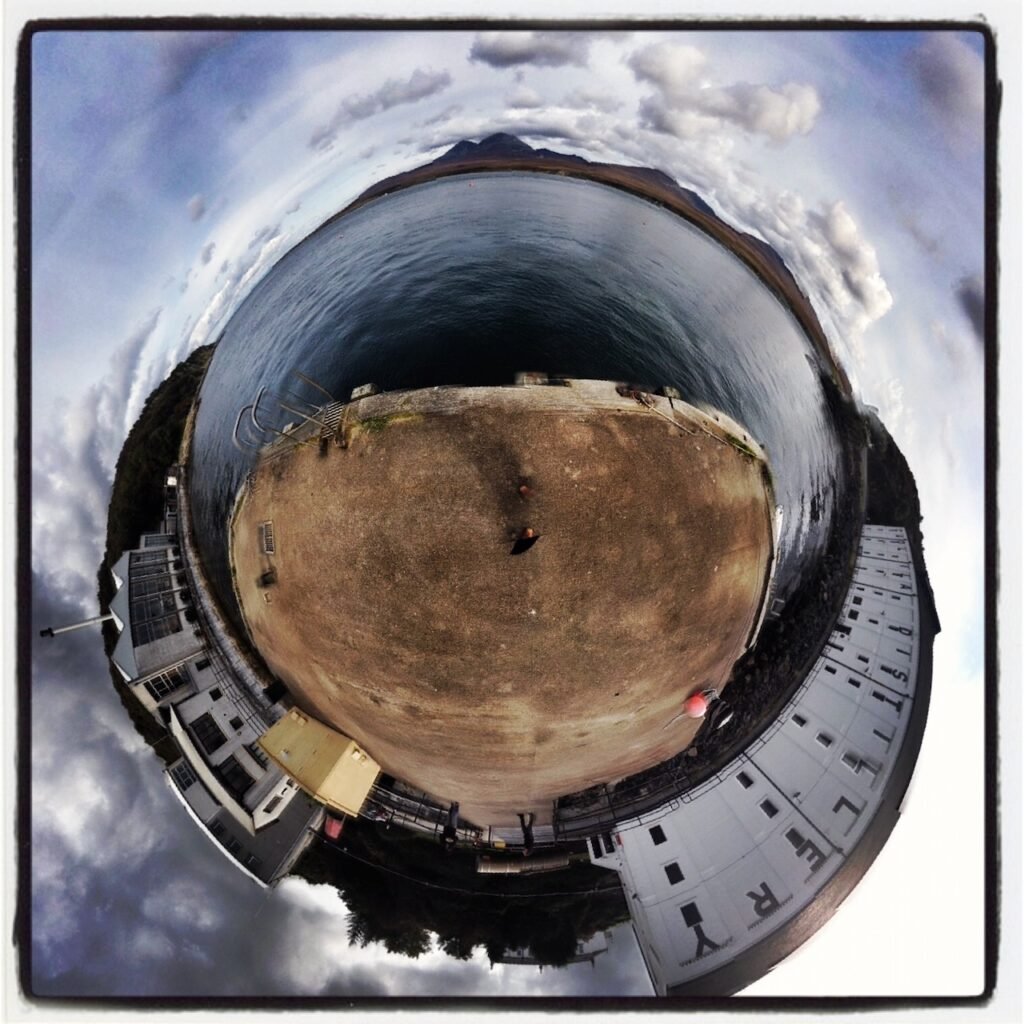
360° panography immerses viewers in a complete spherical experience, capturing every angle of a scene. Popular in virtual tours, this form requires specialized cameras and software to achieve flawless stitching.
180° Panography
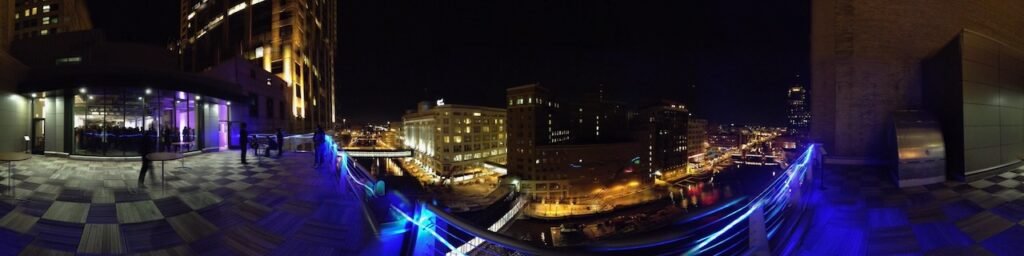
While 180° panoramas focus on half-spherical perspectives, they still provide a broad view that highlights the grandeur of a scene without full immersion.
VR Panoramas
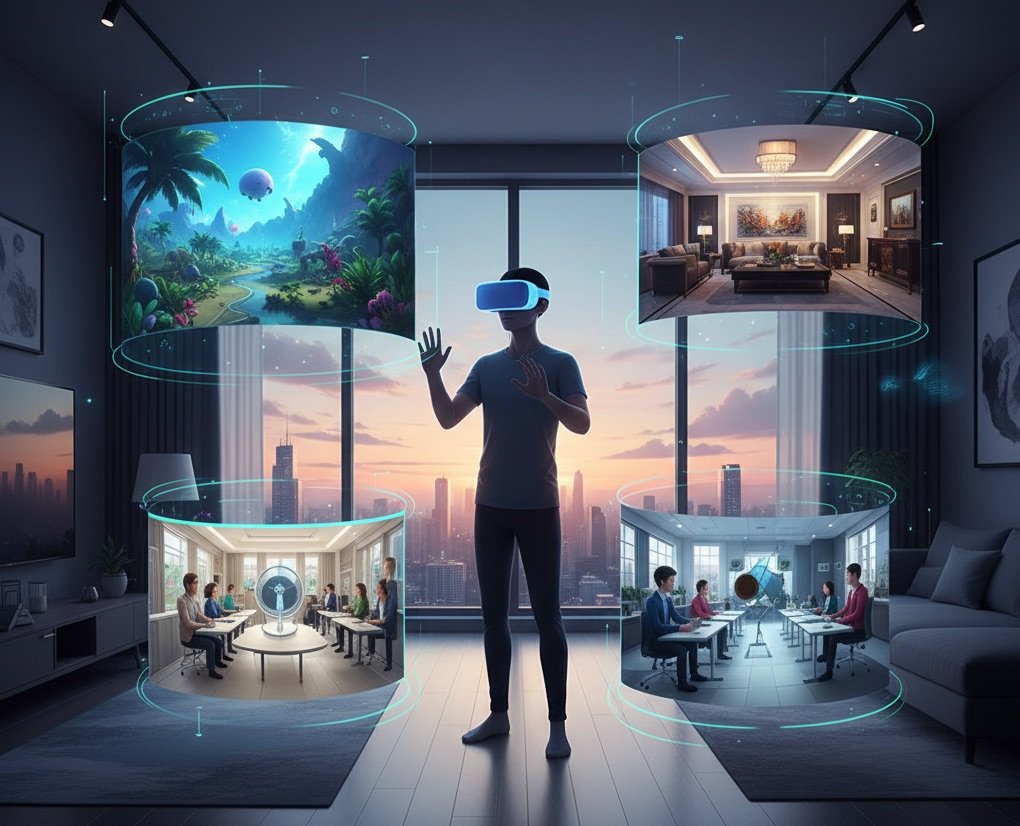
Combining 360° imagery with interactive features, VR panoramas are redefining storytelling. Popular in industries like gaming, real estate, and education, these experiences allow viewers to navigate scenes dynamically.
Grid Panoramas
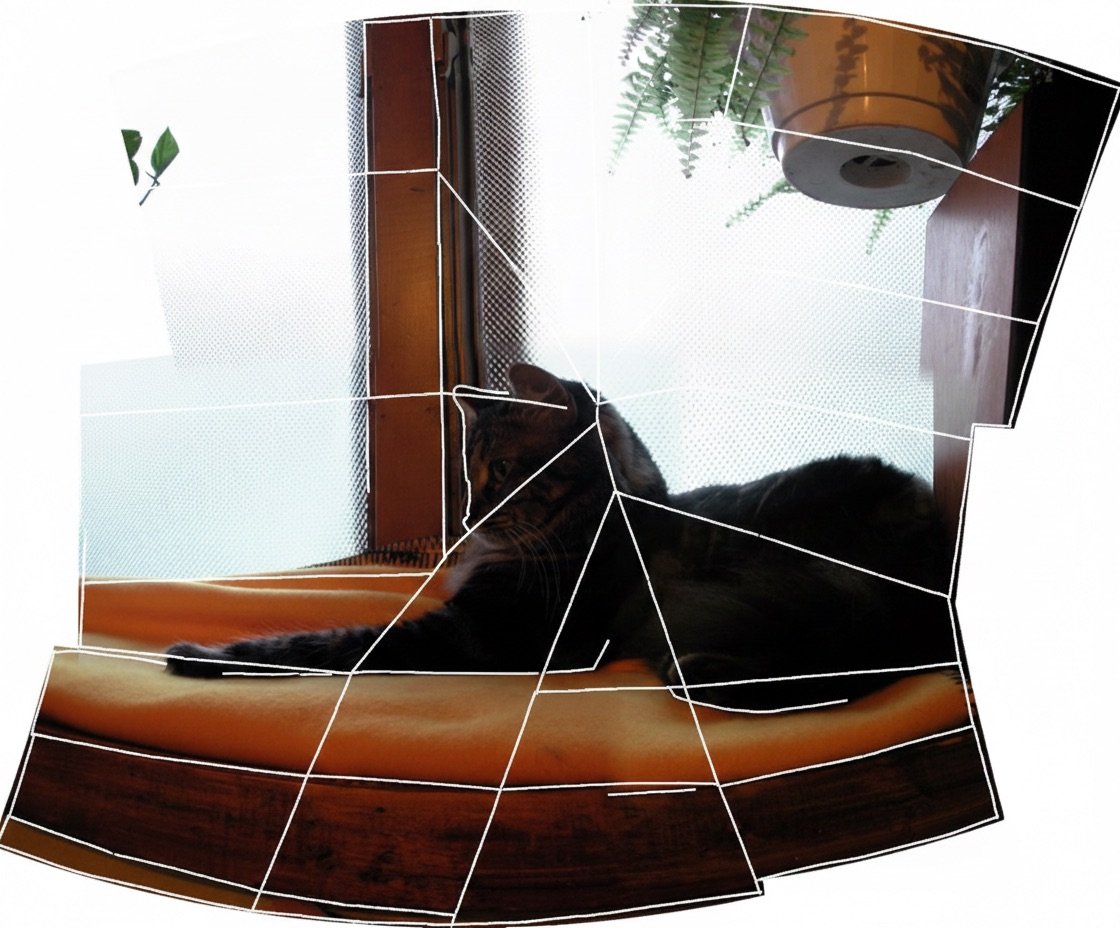
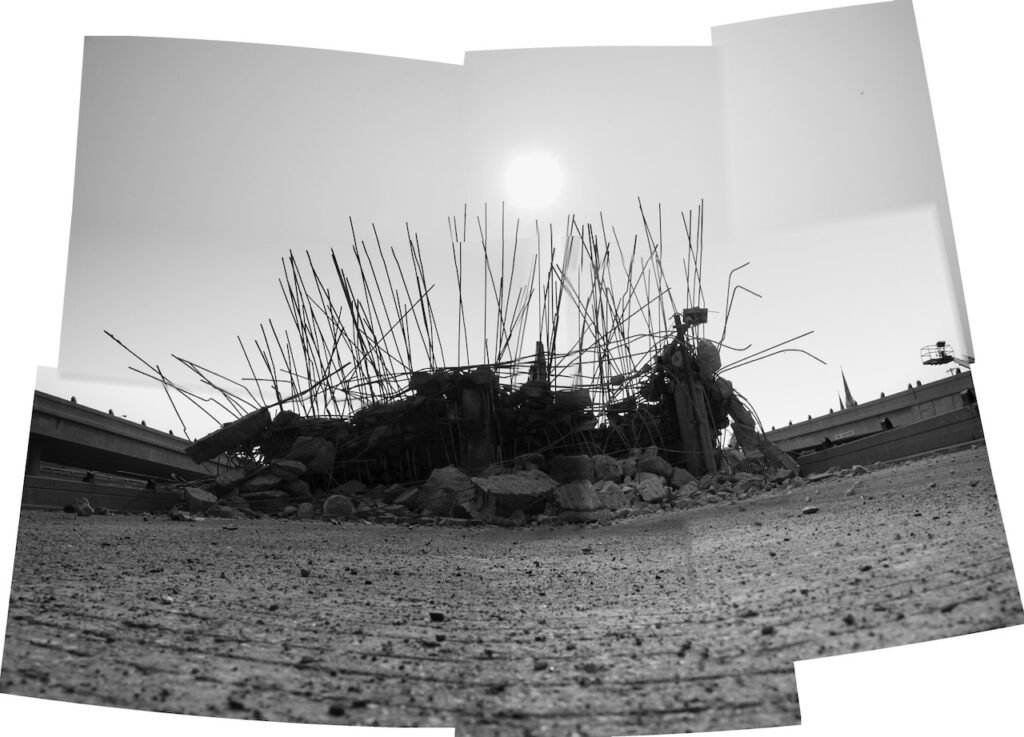
Grid panoramas expand the panoramic frame both horizontally and vertically, creating a multi‑row composition that captures far more detail than a single sweep can hold. Instead of stitching images along one axis, grid panography builds a mosaic of overlapping frames arranged in rows and columns. This technique is ideal for scenes with complex depth, architectural detail, or expansive environments where a single direction of movement isn’t enough. Grid panoramas allow photographers to create immersive, high‑resolution images that feel almost painterly in their depth and dimensionality, making them perfect for city squares, interior spaces, mountain amphitheaters, and any location where the world unfolds in every direction at once.
Aerial Panoramas
Panoramas captured from elevated viewpoints — whether by drone, aircraft, or high vantage points — expand the vertical dimension and reveal spatial relationships impossible from the ground. Aerial Panography

Optical Panoramas
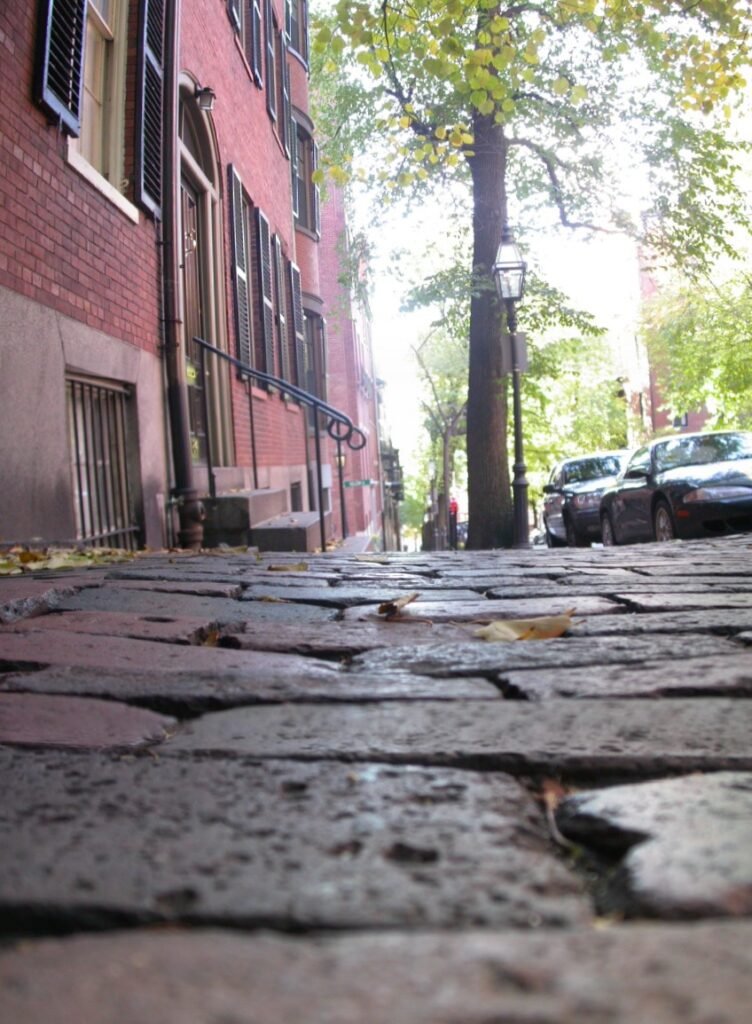
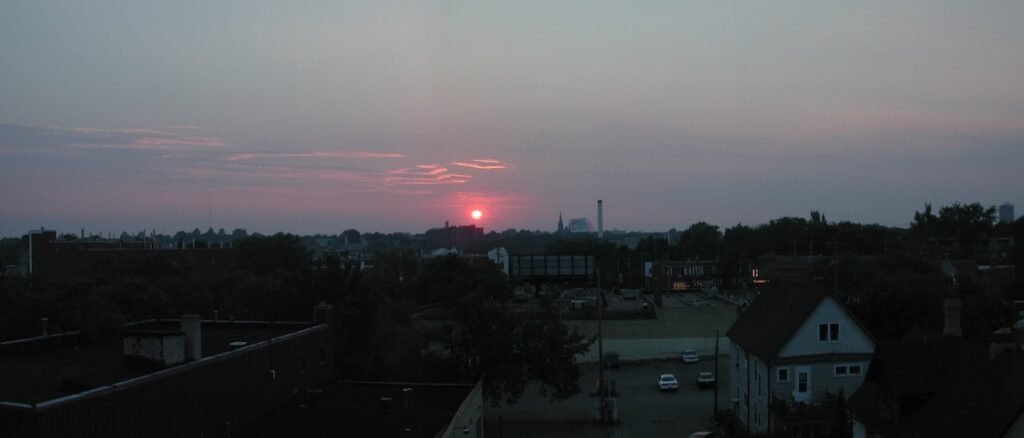
Traditional lens‑based panoramas created with SLR or mirrorless cameras offer a classic, high‑resolution approach rooted in manual control and optical precision. Optical Panography

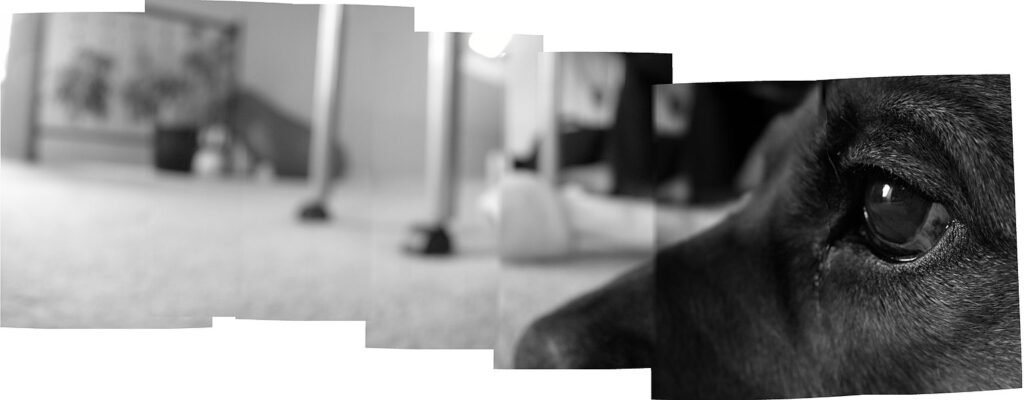
Methods for Capturing Panoramas
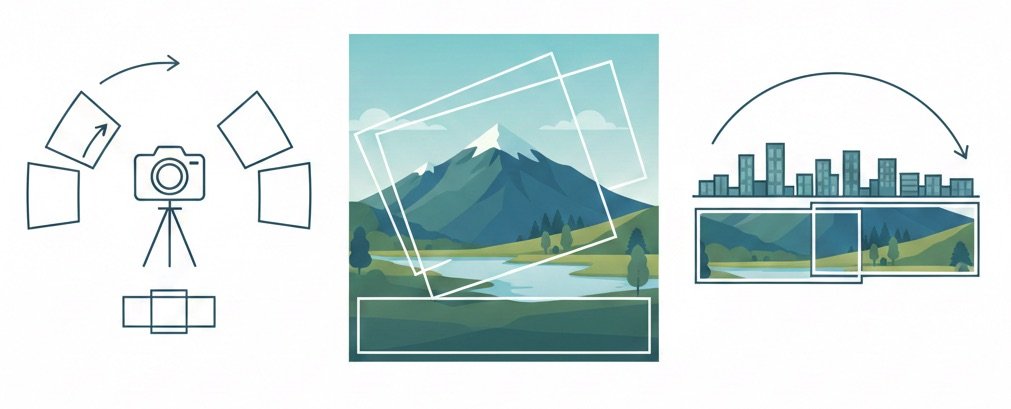
Short Rotation Panography
This technique uses limited movements or partial angles to capture wide perspectives. Short rotation works well for landscapes or single-row panoramas without the need for a complete spherical composition.
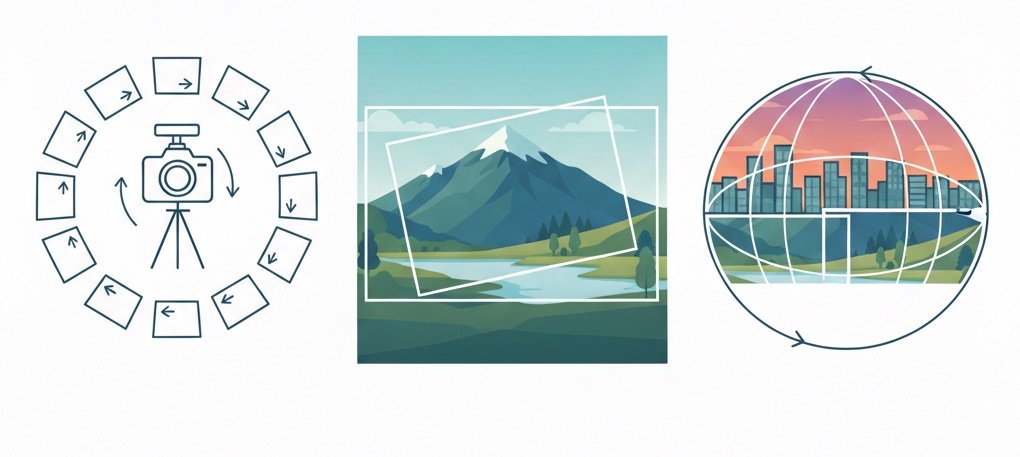
Full Rotation Panography
Full rotation creates immersive 360° views by capturing every angle in the scene. Perfect for virtual tours or cityscapes, this method requires motorized panoramic heads for precise stitching.
Fixed-Lens Panography
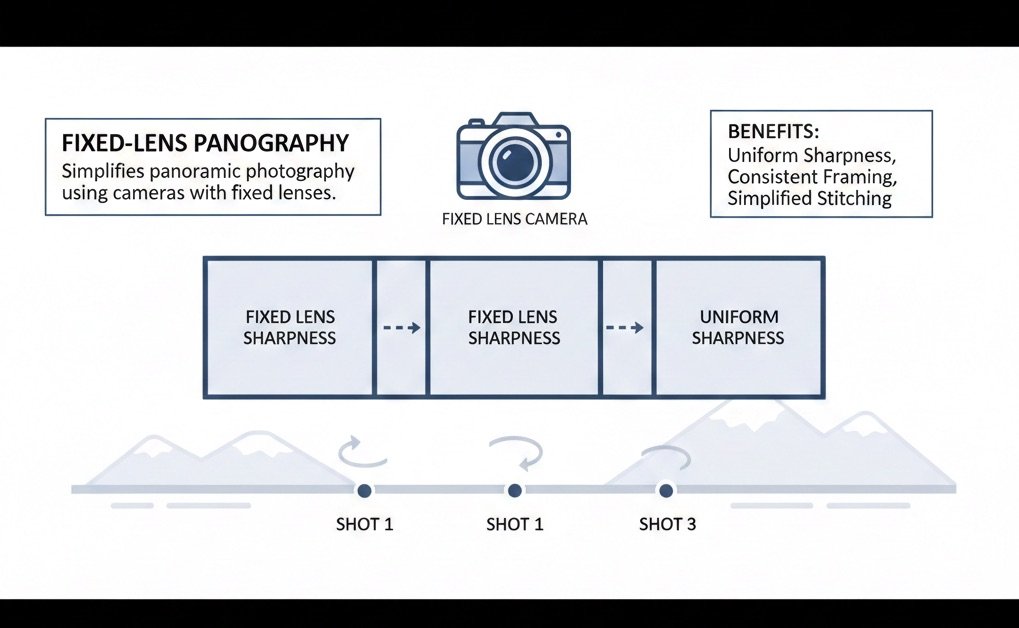
This method simplifies panoramic photography by using cameras with fixed lenses. While it limits zoom capabilities, fixed-lens photography ensures uniform sharpness and framing.
HDR Panography
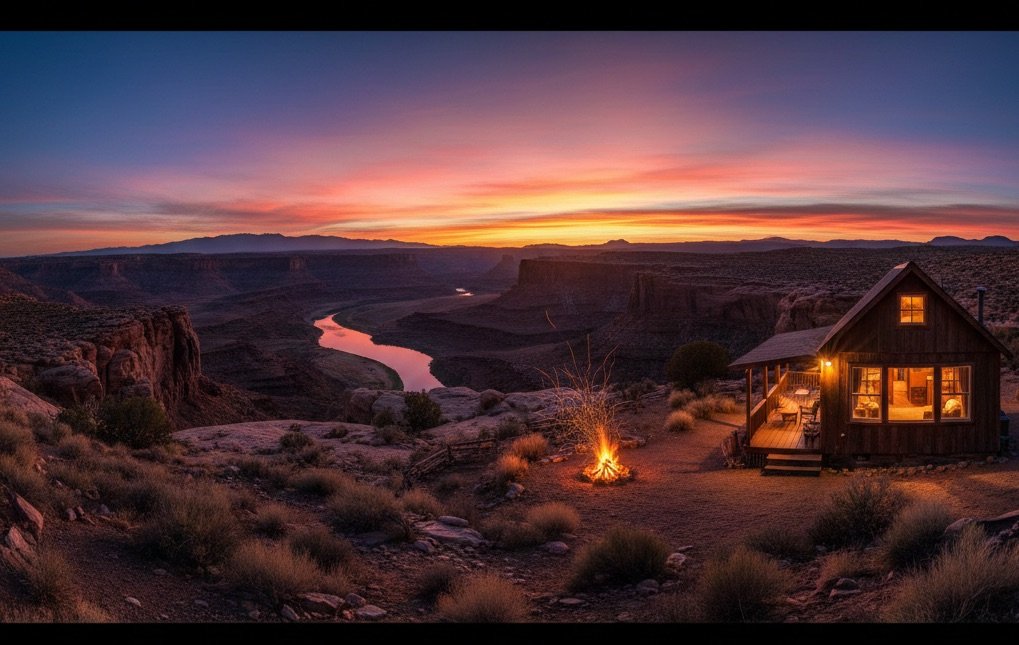
For scenes with extreme contrasts in lighting, HDR (High Dynamic Range) panography merges images taken at different exposures. This technique enhances the depth and vibrancy of sunsets, interiors, and landscapes.
Challenges in Panographic Photography
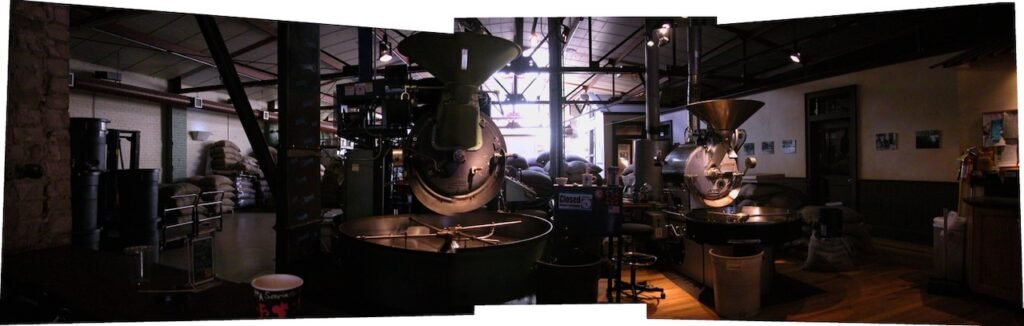
While rewarding, panography comes with challenges such as stitching errors, inconsistent exposures, and difficulties capturing motion. These issues can often be mitigated by using the right tools and techniques.
Unlocking Panography Inspiration
Experimenting with Styles
Try combining horizontal panoramas with HDR techniques or creating dynamic VR panoramas for interactive storytelling. Blending methods will help you push creative boundaries.

Explore Nearby Locations
Your surroundings are full of opportunities for panography. From local parks to urban streets, start experimenting with different perspectives to capture the uniqueness of your community.
Upgrade Your Equipment
Invest in tools like panoramic tripod heads, wide-angle lenses, and stitching software to perfect your craft. Accessories like neutral density filters can also enhance outdoor compositions.
Creative Applications
Whether capturing abstract patterns or documenting historical events, panography can serve countless creative purposes:
- Landscape Photography: Highlight natural beauty with expansive views.
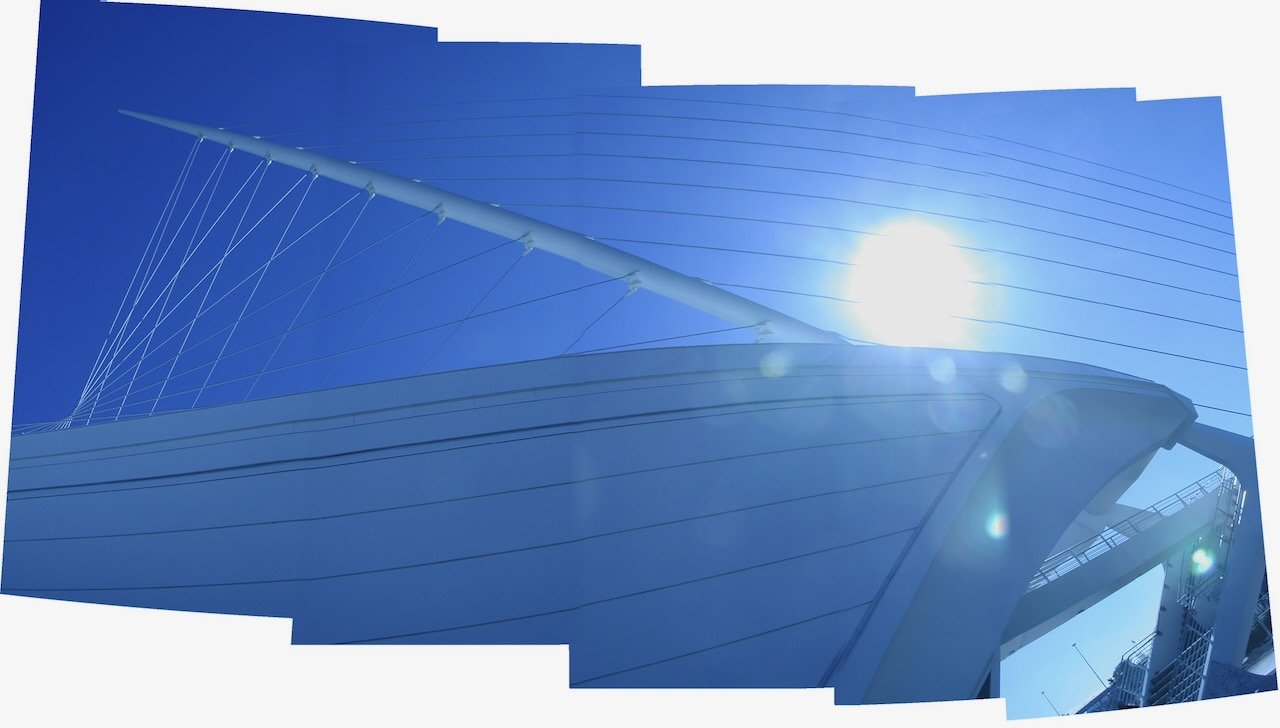
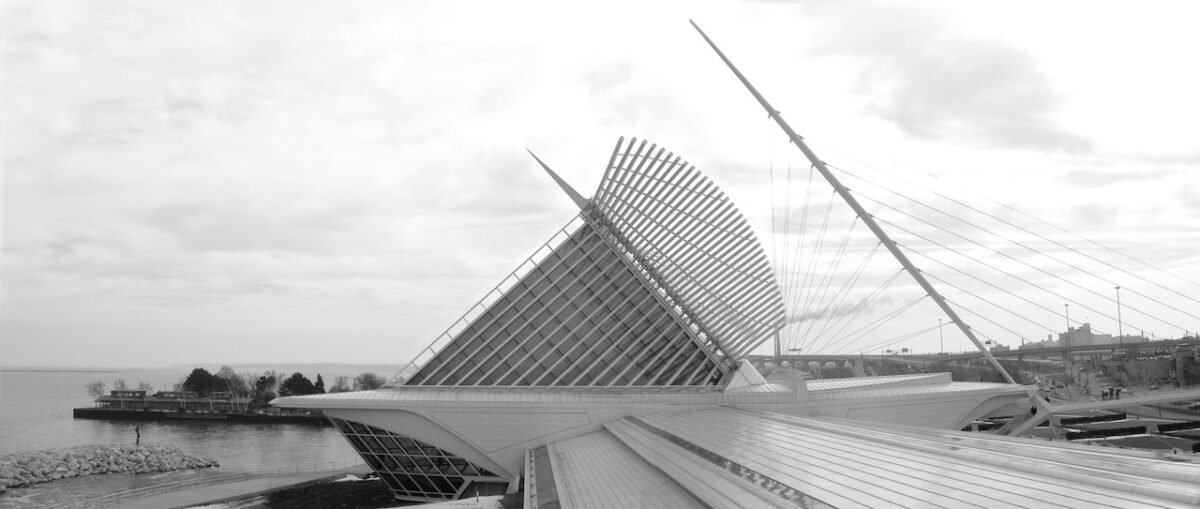
- Architecture and Urban Scenes: Explore urban environments through vertical panoramas and cityscapes.
- Abstract Art: Use motion blur or fragmented stitching for artistic compositions.

Panography.org | PLACES, LANDMARKS & PANORAMIC DESTINATIONS
Panoramic Pilgrimage Routes | Trails with Cultural Stories
Walk the paths of history through an evocative lens. These trails offer more than just a view; they provide a wide-format connection to ancient traditions.
Conclusion: Capturing Every Angle
Panography is a versatile and captivating form of photography that brings scenes to life by merging technical expertise with creative vision. From tools like the Wonder Panoramic Camera to modern VR methods, the art of panography allows photographers to express their unique perspectives and tell immersive visual stories. With countless styles and innovative techniques at your fingertips, this dynamic field offers endless opportunities for Panography Inspiration. Whether capturing horizontal, vertical, 360°, or abstract panoramas, let your imagination guide you to new creative horizons.



credit: JASONJPOGODZINSKI