Table of Contents
Vertical panoramas are one of the most overlooked forms of panoramic photography—yet they offer some of the most dramatic, architectural, and atmospheric ways to interpret a place. Whether you’re tilting your camera upward for a simple two‑frame stitch or building a full 360° zenith‑to‑nadir strip that captures the entire vertical envelope of a location, vertical panography reshapes how we understand scale, structure, and the lived experience of standing inside a landscape or city.
credit: JASONJPOGODZINSKI
This guide explores every major type of vertical panorama—stitched, paneled, seamless, intentionally fragmented, and off‑axis—through the eyes of a photographer who sees the world in wide formats.
Why Vertical Panoramas Matter
Vertical panoramas reveal something horizontal frames rarely can: the feeling of looking up or down inside a place. They capture the sweep of a canyon wall, the rise of a cathedral nave, the stacked geometry of a skyscraper corridor, or the layered textures of a forest canopy. When you tilt your camera vertically, you’re not just documenting a scene—you’re mapping the relationship between earth and sky, ground and structure, human scale and natural scale.
Vertical panography also encourages a slower, more observational way of seeing. You notice how lines converge, how light travels through height, how architecture stretches, and how the environment wraps around you. It’s a format that rewards curiosity and experimentation.
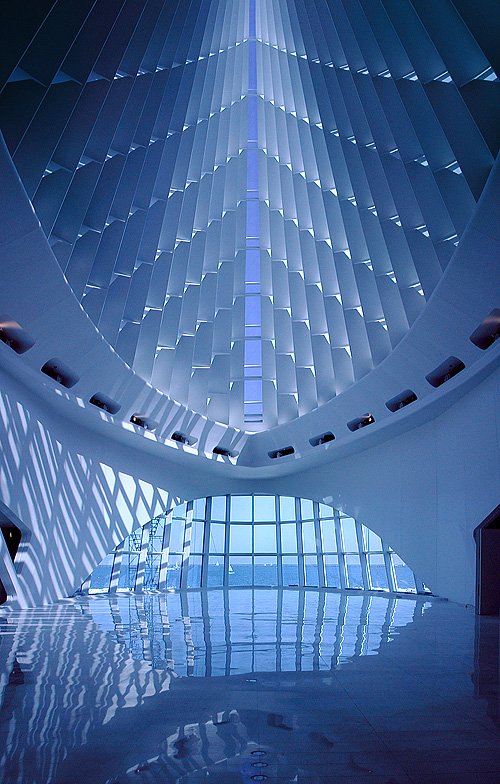
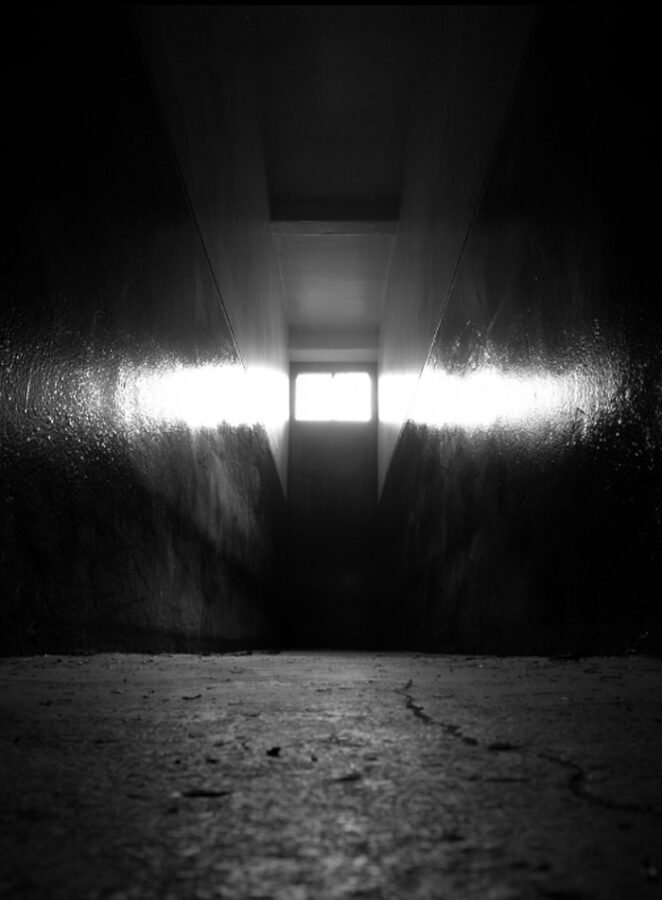
From during the construction of MAM. This is before the ‘wings’ were added to the atrium. You can see the huge cranes outside of the front windows.
Understanding the Vertical Panorama Spectrum
Vertical panoramas exist on a continuum—from simple two‑image tilts to full cylindrical or spherical strips. Each type has its own creative purpose and technical considerations.
Straight Vertical Panoramas (2–3 Frames)
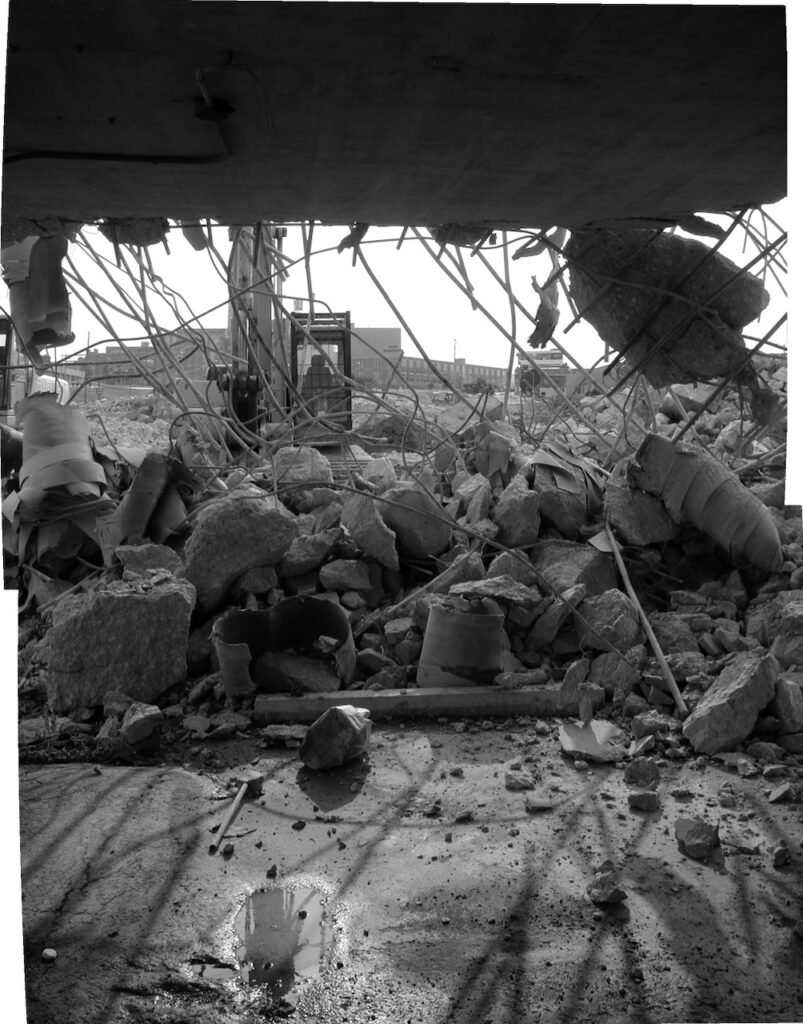
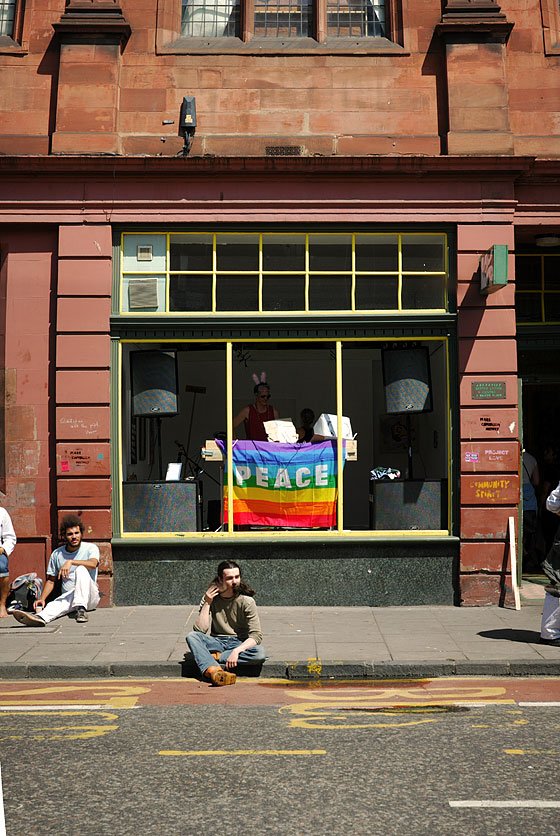
Straight vertical panoramas are the most approachable entry point into vertical panography—often just a single upward or downward pan made from two or three overlapping frames. These aren’t meant to cover extreme angles or full architectural sweeps; instead, they capture the immediate vertical presence of a scene right in front of you. With anything beyond three frames, you’re usually stepping into true vertical‑panorama territory unless you’re working with an ultra‑wide lens.
Where They Work Best
Narrow streets or alleys where the geometry rises sharply above you
Tall buildings or architectural facades
Waterfalls, cliff faces, and steep natural features
Forests with strong vertical trunks and canopy layers
Creative Notes
These short‑sequence verticals often resolve into square or near‑square compositions—an unexpected but natural result of stacking two or three frames in a vertical sweep. They preserve the scene’s native perspective without introducing the dramatic curvature seen in wider vertical arcs. Because they’re built from such a small number of images, they feel grounded and realistic, almost like an extended single frame rather than a stitched construction.
Straight verticals are perfect when you want to expand the viewer’s sense of height without transforming the space. They’re especially powerful in print, where the eye naturally climbs through the frame, following the rise of architecture, rock, or canopy. These simple tilts are a reminder that panography doesn’t always need to be grand or complex—sometimes the most compelling vertical story is just one clean upward glance captured in two or three frames.
90° Vertical Tilts
A 90° tilt is a vertical panorama that captures the scene from eye level to directly overhead (or downward). It’s a half‑dome of visual information.
Where They Work Best
- Courtyards
- Atriums
- Forest clearings
- Canyon interiors
Creative Notes
A 90° tilt often introduces mild distortion, especially if shot handheld. But that distortion can become part of the aesthetic—an elongated, stretched sense of space that feels immersive and atmospheric.
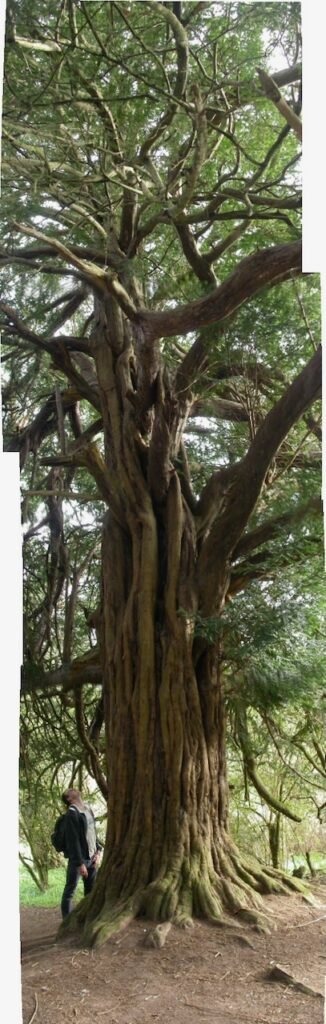
180° Vertical Panoramas
A 180° vertical panorama captures everything from the ground plane to the zenith. It’s a full sweep of vertical space.
Where They Work Best
- Cathedrals and historic interiors
- Urban canyons between skyscrapers
- Mountain passes
- Bridges and elevated structures
Creative Notes
At 180°, you begin to feel the curvature of the environment. Lines bend, horizons arc, and the viewer becomes aware of the camera’s movement. This is where vertical panography becomes less about documentation and more about interpretation.
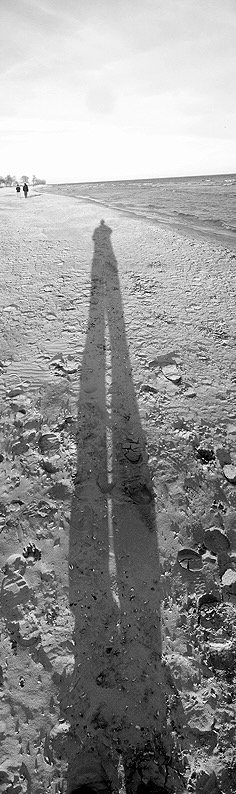
270° Vertical Panoramas
A 270° vertical panorama pushes the envelope further, capturing nearly the entire vertical sphere except for a narrow slice.
Where They Work Best
- Circular courtyards
- Dense forests
- Industrial structures
- Sculptural architecture
Creative Notes
At 270°, the image becomes more abstract. You’re no longer simply showing height—you’re showing enclosure. The viewer feels wrapped inside the environment, as if the world is folding around them.
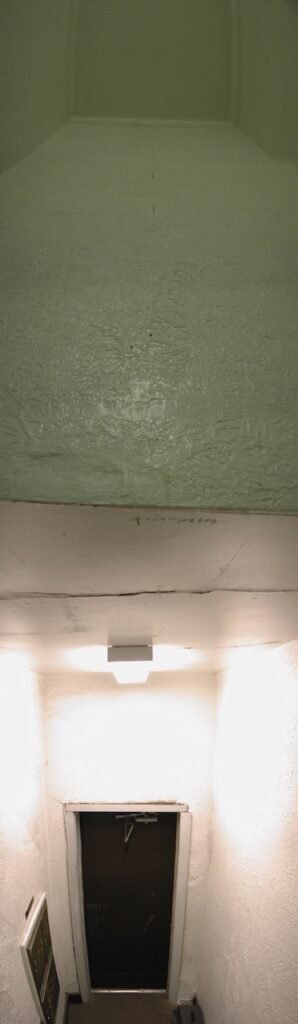
360° Zenith‑to‑Nadir Strips
This is the most complete form of vertical panography: a full cylindrical or spherical strip that captures everything from the ground beneath your feet to the sky directly overhead.
Where They Work Best
- Museums and galleries
- Historic rotundas
- Natural amphitheaters
- Urban plazas
- Any location where the vertical envelope tells a story
Creative Notes
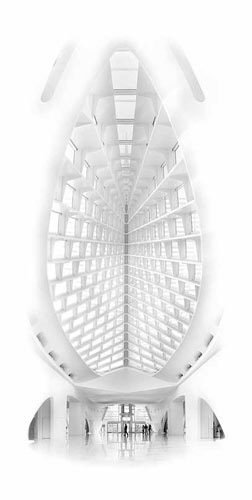
A 360° vertical strip is immersive, surreal, and deeply atmospheric. It transforms the viewer’s sense of place, turning the environment into a continuous ribbon of height. These images often feel like architectural drawings or environmental diagrams—perfect for artists who want to show structure, flow, and spatial relationships.
Stitched vs. Paneled Vertical Panoramas
Vertical panoramas can be presented in two main ways: seamlessly stitched or intentionally paneled.
Seamless Vertical Panoramas
These are the classic stitched panoramas where the frames merge into a single continuous image.
Best for:
- Clean architectural lines
- Landscapes with consistent lighting
- Minimalist compositions
Aesthetic qualities:
A sense of uninterrupted height
Smooth transitions
Unified perspective
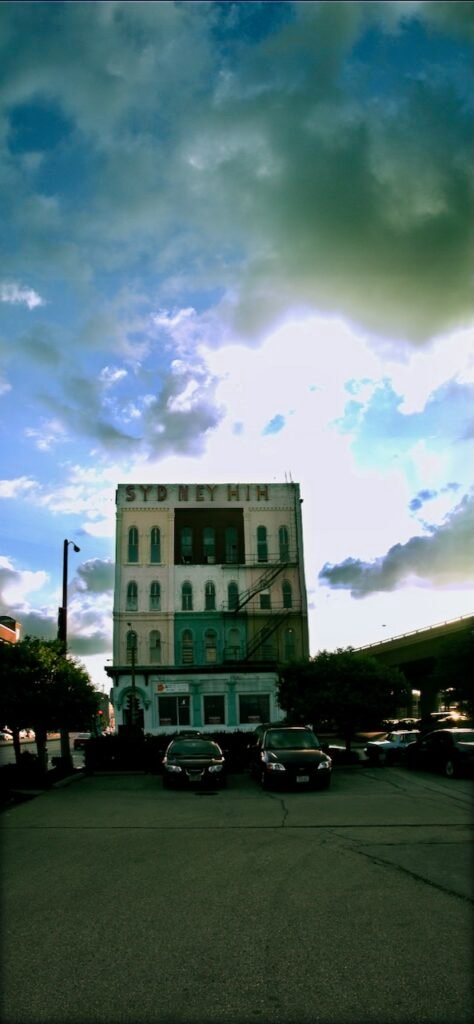
Paneled Vertical Panoramas
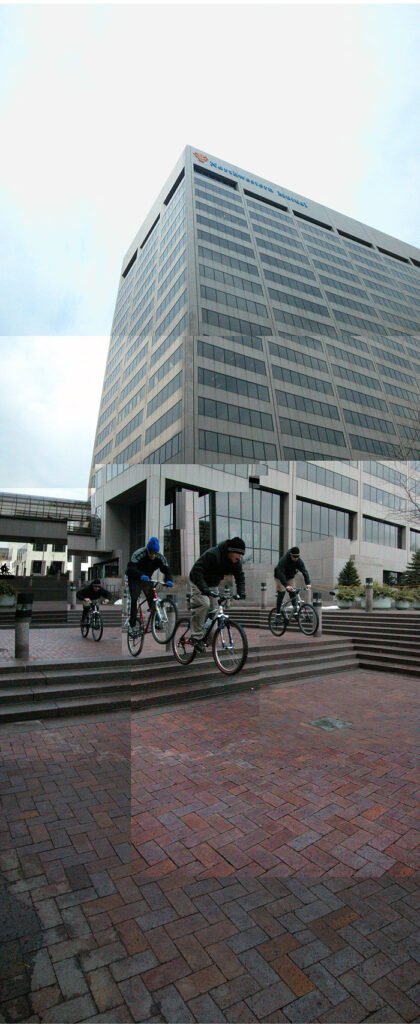
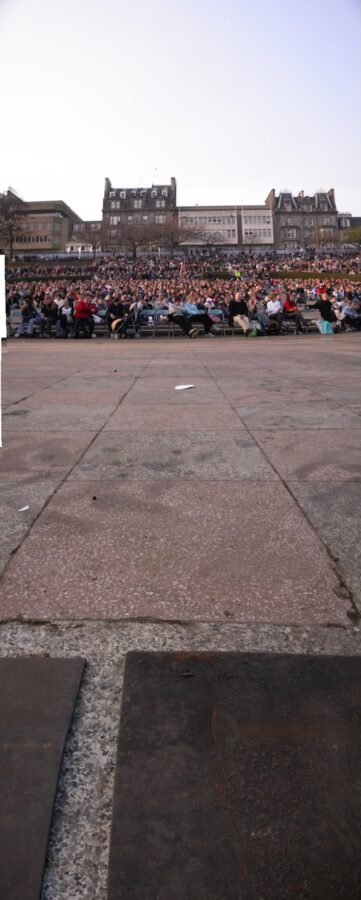
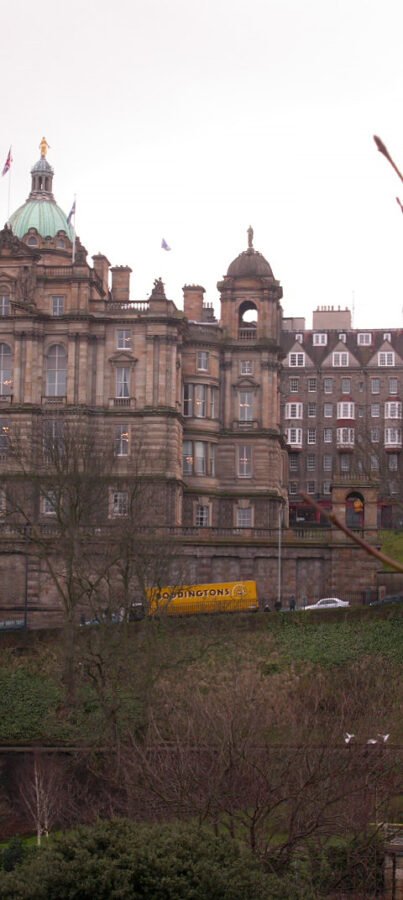
Paneled panoramas show the individual frames—either with visible borders or subtle separations.
Best for:
- Documentary or process‑focused work
- Experimental compositions
- Mixed‑media or collage‑inspired aesthetics
Aesthetic qualities:
Creates rhythm and visual pacing
Emphasizes the act of looking
Highlights the photographer’s movement
Paneled formats are especially powerful when you want to show the process of building a vertical view rather than hiding it.
Off‑Axis Vertical Experiments
Not all vertical panoramas need to be perfectly aligned. Off‑axis tilts—where the camera shifts diagonally or rotates slightly—can create dynamic, expressive distortions.
Where They Work Best
- Spiraling staircases
- Slanted rock formations
- Modern architecture
- Forests with irregular growth patterns
Creative Notes
Off‑axis verticals introduce tension and motion. They feel exploratory, as if the photographer is actively searching through the space rather than simply documenting it. These are ideal for artists who want to push panography into more experimental territory.
Technical Tips for Vertical Panoramas
Use Overlap Wisely
Aim for 30–50% overlap between frames to ensure clean stitching.
Mind Your Horizon
Even in vertical work, a tilted horizon can cause stitching errors.
Shoot in Manual Mode
Consistent exposure prevents visible seams.
Watch for Parallax
If possible, rotate around the lens’s entrance pupil to avoid misalignment.
Embrace Imperfection
Vertical panoramas often look more interesting when they reveal the quirks of the environment.
Creative Destinations for Vertical Panography
Some places practically beg for vertical interpretation:
- Gothic cathedrals with towering vaults
- Slot canyons with layered sandstone
- Redwood forests with rising trunks
- Urban alleys framed by fire escapes
- Museums with multi‑story atriums
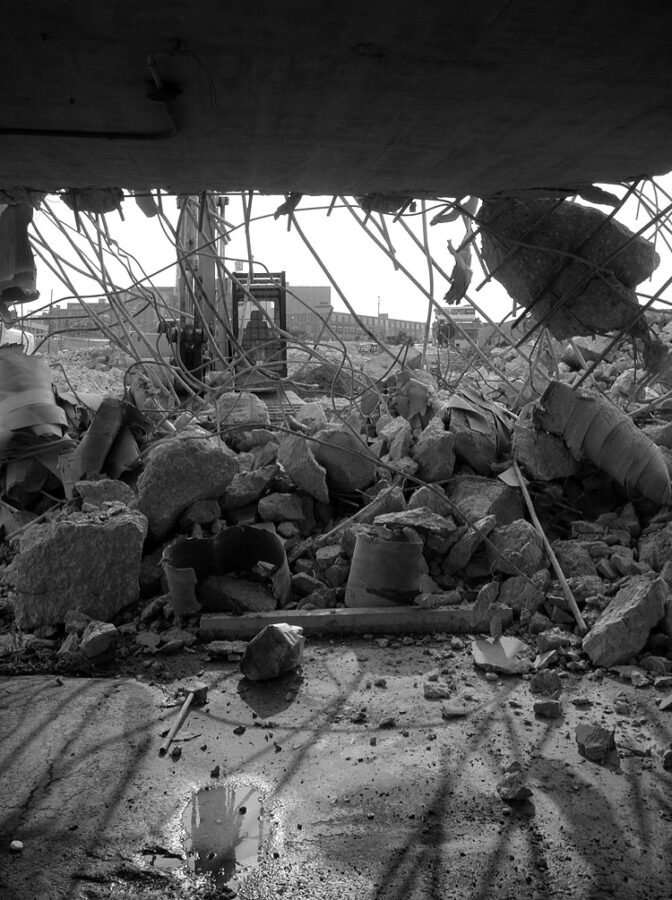
- Bridges, cranes, and industrial structures
Each location offers its own vertical story—its own relationship between ground, structure, and sky.
credit: JASONJPOGODZINSKI
Frequently Asked Questions
How many frames do I need for a vertical panorama?
Anywhere from 2 to 20 frames depending on the angle you want to cover; more frames allow for greater height and smoother transitions.
Do vertical panoramas require special gear?
No, but a tripod and panoramic head help reduce parallax and improve stitching accuracy.
Can I shoot vertical panoramas handheld?
Yes—especially for 2–4 frame tilts—but expect more distortion and be prepared to correct alignment in post.
What software is best for stitching vertical panoramas?
Most modern editors handle vertical stitches well; choose one that offers control over projection and distortion.
Are paneled panoramas less professional than seamless ones?
Not at all—paneled formats are an artistic choice and often highlight the photographer’s process in compelling ways.
 Panography.org | PLACES, LANDMARKS & PANORAMIC DESTINATIONS
Panoramic Pilgrimage Routes | Trails with Cultural Stories
Walk the paths of history through an evocative lens. These trails offer more than just a view; they provide a wide-format connection to ancient traditions.
Final Thoughts
Vertical panoramas invite you to see the world differently—to look upward, downward, and through the layers of a place. They reveal the height of a canyon, the sweep of a cathedral, the rise of a forest, or the stacked geometry of a city. Whether you’re stitching a simple two‑frame tilt or building a full 360° zenith‑to‑nadir strip, vertical panography expands your sense of space and deepens your connection to the environments you explore.
For artists and photographers who move through the world with curiosity, vertical panoramas offer a way to translate that feeling of standing inside a place—surrounded by height, light, and structure—into a single immersive image.
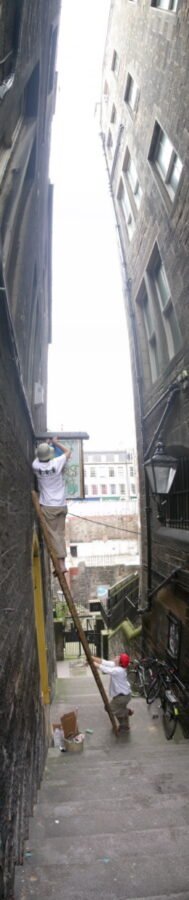
credit: JASONJPOGODZINSKI